MAJA RUSAN
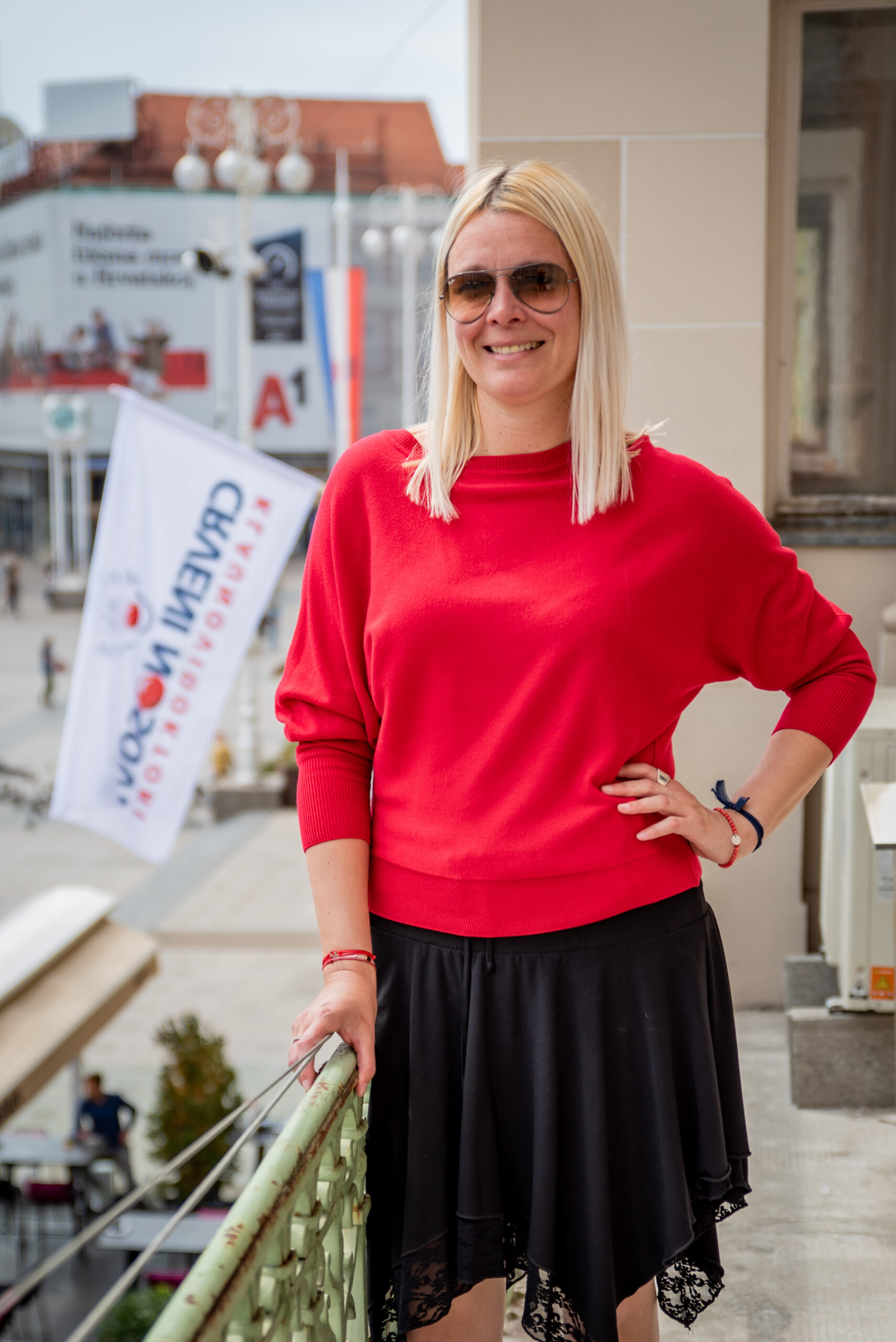
Maja Rusan • Passionate Fundraiser | Head of Fundraising & Strategic Communications, RED NOSES | Founder of PURE GIFT – Fundraising, CSR & Communications Consulting & Education | Social Impact Speaker, Educator & Advisor
SHORT BIOGRAPHY
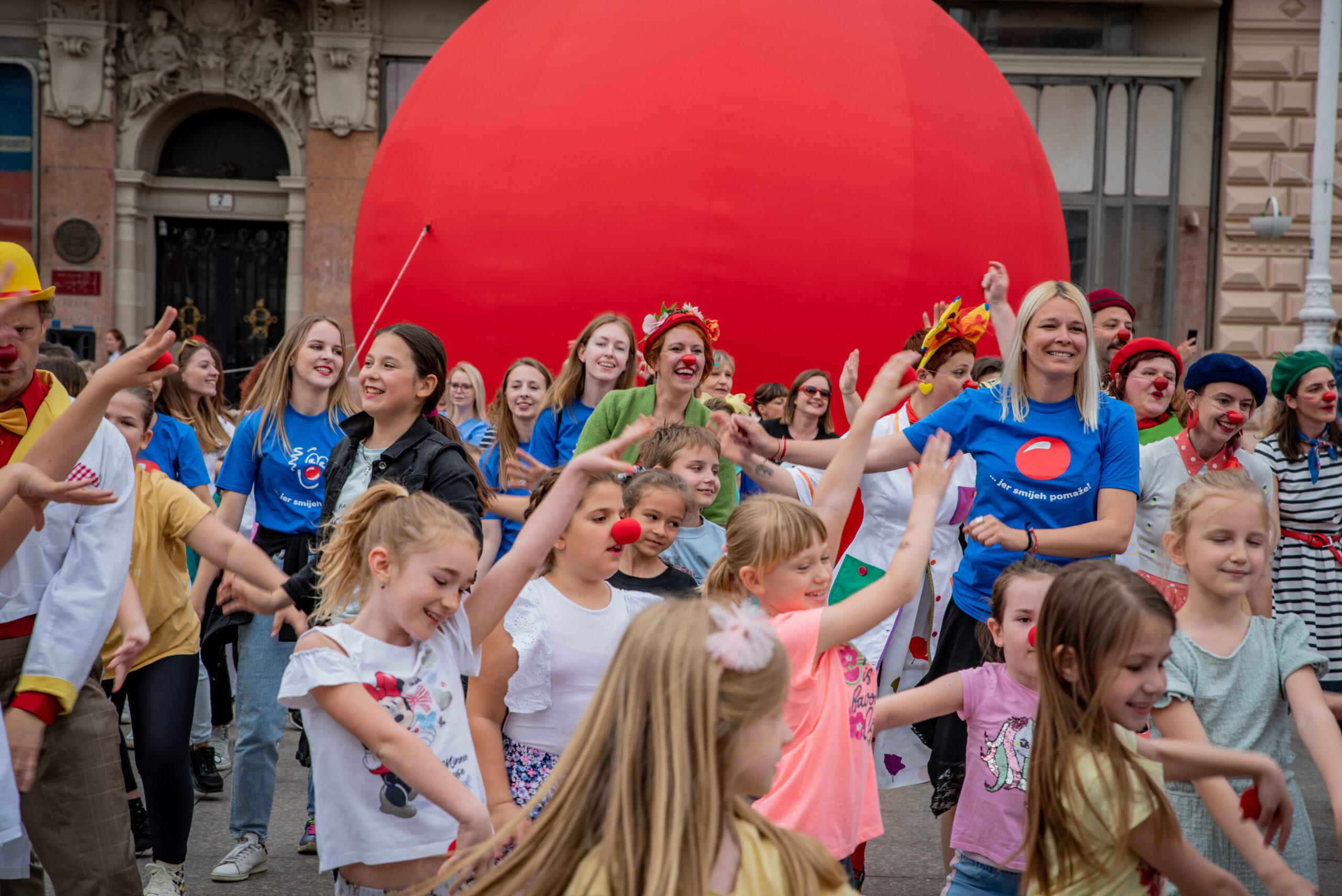
Maja Rusan is a passionate fundraiser, strategic communications and social-impact leader who believes that business results and social impact become most powerful when they meet. She currently leads Fundraising and Strategic Communications at CRVENI NOSOVI, the Croatian member of RED NOSES International, where she has built a multidisciplinary team and led a period of major growth, with annual income rising from around EUR 700,000 to approximately EUR 2 million in four years.
With professional roots in business, she combines strategic discipline with vision, creativity, courage and a lifelong instinct for connecting people. Alongside her role at CRVENI NOSOVI, she is the founder of PURE GIFT, through which she educates, mentors and advises organisations and leaders on fundraising, CSR, communications and social impact. She also speaks at business and fundraising conferences and shares her perspectives through television, radio and professional media.
Across all these worlds, one belief connects her work: people, organisations and companies hold enormous potential to create value beyond themselves. Sometimes it begins with one decision, one idea, one human connection or simply the courage to imagine what could be possible. When that value is shared, it becomes part of a chain of good that can travel further than any of us can see.
OFFICIAL LINKS & PROFILES:
• LinkedIn Profile: View Maja Rusan’s LinkedIn Profile
• Organization: CRVENI NOSOVI (RED NOSES Croatia)
01. Before fundraising became central to your work, what experiences shaped the way you think about people, responsibility and success?
Maja Rusan: I learned quite early that success can be built, and later I learned that it can also disappear. Both experiences shaped me profoundly. I grew up close to a family business and later worked across sales, procurement, quality, finance, controlling and management. That taught me that no result exists in isolation. Behind every number there is a person, a decision, a relationship and usually a great deal of invisible work. For many years, I was naturally drawn to responsibility. I liked understanding how things worked, improving them, connecting pieces and making sure that what we promised was actually delivered. Results still matter enormously to me. I love goals, growth and measurable progress. What opened my mind is the question I ask after the result: what did this result make possible for people? Today, success is not only achieving something. It is creating something valuable enough that other people can grow through it, benefit from it and carry it further.
02. You grew up around your mother’s factory and experienced very different roles inside a business. What did those early years teach you that you still carry today?
Maja Rusan: My mother’s factory was my first and most demanding and both inspirational business school. For almost twenty years, I watched a company at the top of its market. I learned what it takes to build something successful: hard work, quality, discipline, courage, fairness and, above all, people. My mother, my father, my husband and I all worked there, together with around 100 people. It was never just a business to us. Behind every business decision were people, families and livelihoods. My mother and her partner led the company in a very human way, and that taught me something I still believe strongly today: human leadership is not soft leadership. It is fair leadership. It means respect, but also work, responsibility and clarity about what stands behind a result. Then the 2008 financial crisis hit the construction industry particularly hard. Over the following five years, I learned an entirely different set of lessons. I had seen what it meant to have almost everything going your way; now I saw what it meant when almost everything you had built became uncertain. When the same uncertainty touches your company, your colleagues and your own family at once, business stops being abstract very quickly. I learned enormously from twenty years of success. I may have learned even more from five years of losing it. Those years taught me humility, resilience and never to take success for granted. Results matter. People matter. And when circumstances change, what remains is how you lead, how you treat people and what you are capable of rebuilding.
03. You have worked across sales, supply, finance, quality and fundraising. How has seeing so many sides of an organisation changed the way you make decisions?
Maja Rusan: It made me almost incapable of looking at a decision from only one angle. I naturally ask: What does this mean financially? Operationally? For the customer or donor? For the team? For the brand? What data do we have? What will this decision create six months from now? I also think instinctively in connections: between departments, people, ideas and opportunities that may initially seem unrelated. I have been connecting people throughout my working life, and that ability to see where relationships and possibilities can meet has become one of my strongest professional assets. That broad view has been especially valuable in fundraising because fundraising is never only collecting donations. It touches finance, communication, technology, data, programmes, leadership and organisational culture. If those pieces are disconnected, growth eventually becomes expensive or fragile. My controlling background also taught me that intuition and data are not enemies. I use both. Data tells me what is happening; experience often helps me ask why. The best decisions usually come when the two meet.
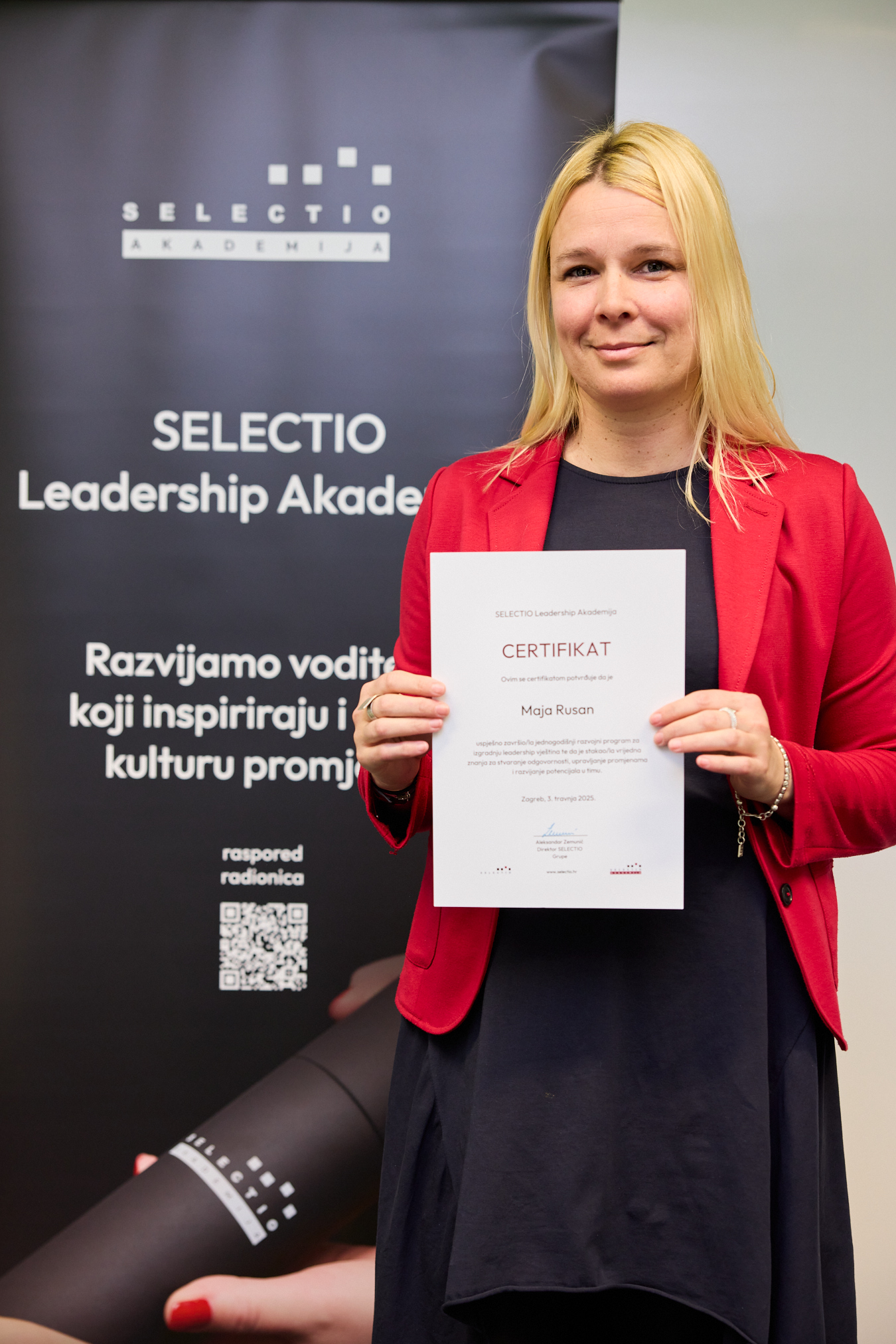
04. Was there a moment when you realised that your work needed to be connected to a purpose beyond business results?
Maja Rusan: I do not think there was one dramatic moment when I decided that business results were no longer enough. I love business thinking and results. What changed was my awareness of what those skills could serve. When I entered the nonprofit world, I discovered that the same abilities I had used to improve processes, control costs, negotiate, plan and grow a business could help create something profoundly human. Suddenly a spreadsheet was not only a spreadsheet. Better planning could mean more visits, more sustainable programmes and more moments of connection for people in vulnerable situations. That was powerful for me. Purpose did not replace business discipline. It gave it another dimension.
05. What first drew you to CRVENI NOSOVI, and what made you feel that your experience could genuinely help its mission?
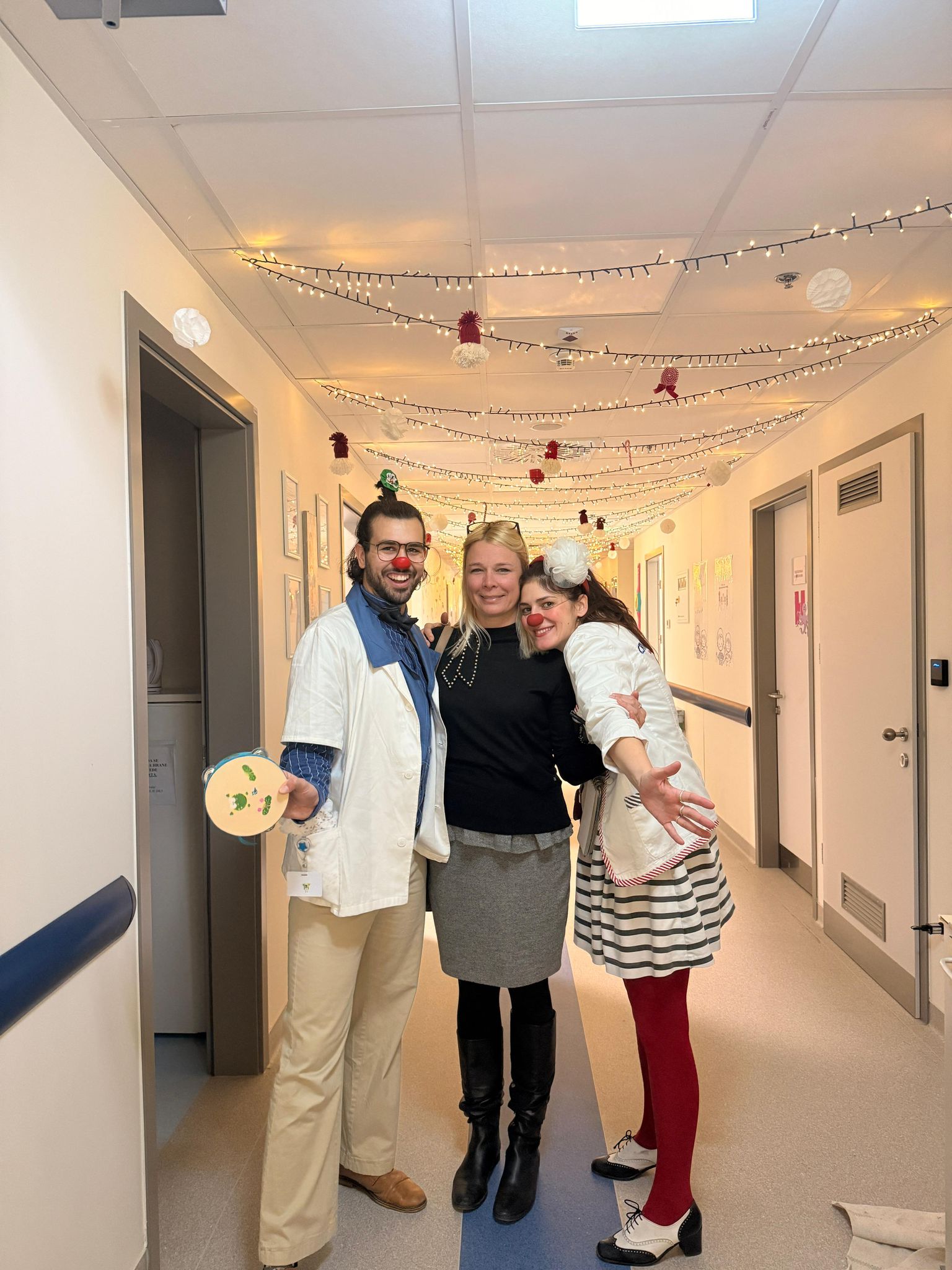
Maja Rusan: My path to CRVENI NOSOVI began with a very simple question from a friend: “And what will you do now?” Sometimes one question arrives at exactly the right moment. I entered a world I knew almost nothing about. What I found was an organisation built around something deceptively simple and incredibly powerful: bringing joy, dignity and human connection to people in difficult moments. I first brought what I knew well: finance and controlling. Later, when I moved into fundraising and communications, I realised how transferable my previous experience really was. I could see opportunities to build systems, diversify income, understand channels, connect fundraising and communication, measure performance and develop people. But the mission also changed me. I came with business skills; I stayed because I saw what happens when those skills are placed in the service of something deeply human.
06. How did your background in finance and business operations change the way you approached fundraising when you first took on the role?
Maja Rusan: I brought finance and business discipline into fundraising, but I quickly realised that I was bringing much more than that. I am very visionary by nature. I often see what something could become before there is evidence that it will work, and I have always been a connector, someone who naturally brings people, ideas and opportunities together. Throughout my career, I have built a strong network of relationships based on trust. When I moved into fundraising, I realised that this social capital was also a professional asset. Fundraising is built on relationships, and I genuinely enjoy creating connections in which people recognise that they can make something meaningful happen together. I also brought courage and persistence. I am willing to fight for an idea when I believe in it – even before other people believe in it. I wanted to understand the donor and the economics of every channel, but I also wanted to imagine what did not yet exist and then build it. So yes, I brought planning, controlling, data and business thinking into fundraising – but also vision, relationships, courage, persistence and perhaps just enough madness to try things before I knew they would work. And, as with every meaningful success, a little luck helped too.
07. What can nonprofit organisations learn from the discipline of business—and what can businesses learn from the nonprofit world?
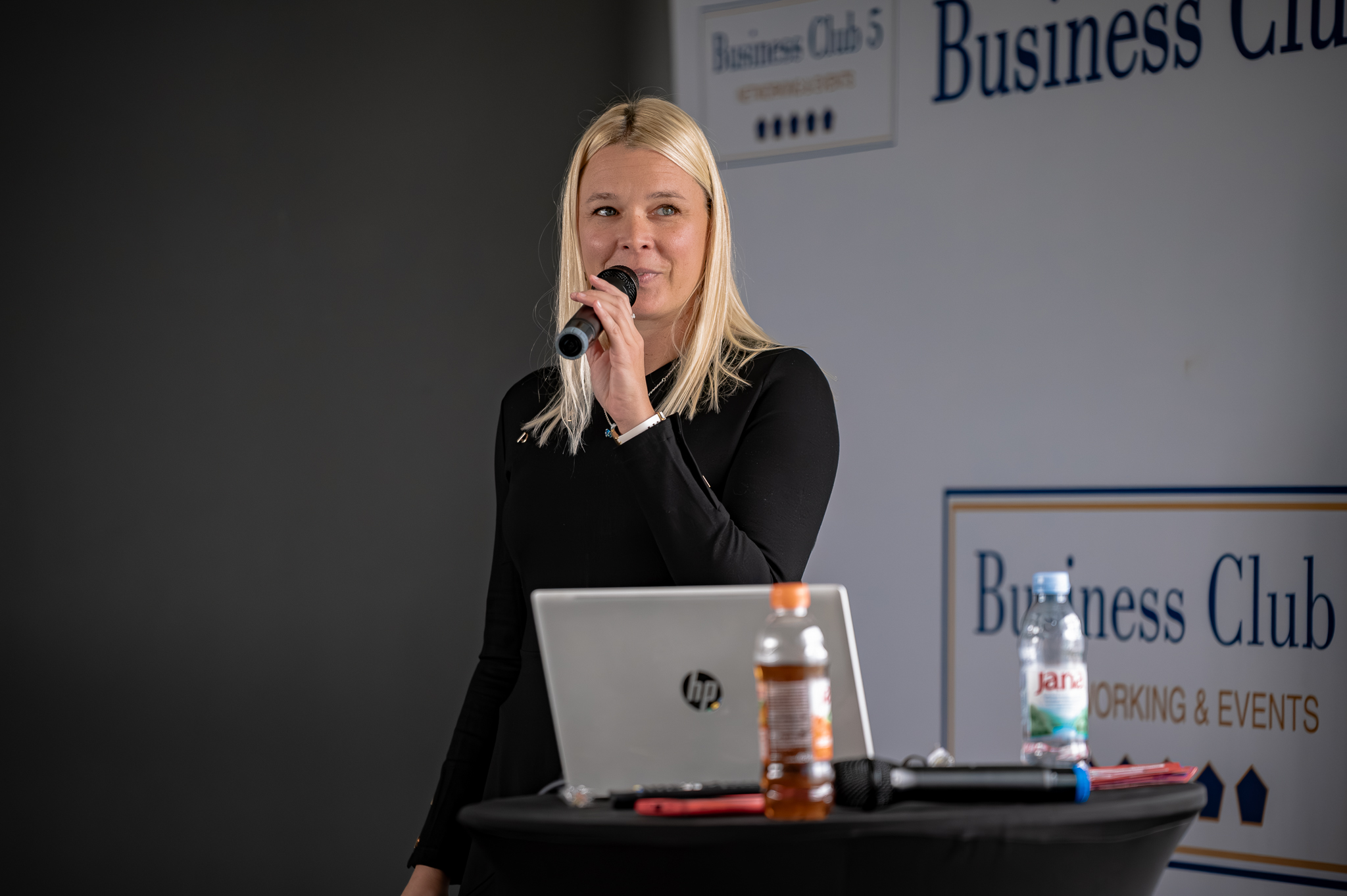
Maja Rusan: Nonprofits can learn a great deal from business about strategy, customer understanding, investment, data, efficiency, accountability and the courage to stop doing things that no longer work. Good intentions are not a strategy, and mission does not remove the need for excellent management. Businesses, on the other hand, can learn from nonprofits that value is not always captured on a balance sheet. We work every day with trust, meaning, community, vulnerability, empathy and long-term social value. Those things influence employees, customers and society far more than many companies once recognised. I also have enormous respect for companies because I know from experience how difficult it is to create profit: to build a product, earn customers, pay salaries and suppliers, carry risk and keep people employed. Companies earn through people and communities, and I believe success brings both an opportunity and a responsibility to invest part of that value back into the society that made it possible. The most interesting future, for me, is not business becoming nonprofit or nonprofits becoming businesses. It is both sectors recognising that they are parts of the same society and becoming better at learning from each other.
08. After working on both sides, what does ‘success’ mean to you today compared with what it meant earlier in your career?
Maja Rusan: Earlier in my career, success was easier to define: achieve the goal, improve the result, solve the problem, deliver what was expected. I still value all of that. Today I think success has at least three layers. Did we achieve the result? Did the result create meaningful impact? And did we build people and systems capable of continuing after us? A beautiful result that depends entirely on one person is not yet sustainable success. I want growth that strengthens an organisation rather than exhausting it. I want people around me to become stronger, braver and more capable. And I want the final result to reach someone whose life becomes even slightly better because we did our work well.
09. You have described fundraising as much more than raising money. If you had to explain what fundraising really is to someone outside the sector, what would you say?
Maja Rusan: Fundraising is the art and discipline of connecting someone who wants to make a difference with a meaningful way to do it. Money is part of the mechanism, but it is not the heart of it. The heart is trust. Someone says: I believe this matters, I believe you can do something about it, and I am willing to place part of my resources in your hands. That is why I see fundraising as leadership, communication and relationship-building at the same time. We are not simply asking people to give. We are inviting them to participate in change. And when fundraising is done well, both sides receive something. The organisation receives resources for its mission; the donor receives the possibility to act on something they care about. And perhaps its greatest value reaches even further. Fundraising shows society that hope does not have to remain abstract. It can be mobilised, measured and transformed into action and into impact that truly lasts.
10. Why do people decide to support a cause? What usually turns interest into trust and trust into action?
Maja Rusan: People support causes for many reasons, but I believe the first spark is often deeply personal. Something resonates with their values, experience, identity, hope or sense of responsibility. Interest becomes trust when an organisation is clear, consistent and credible. People need to understand the need, but they also need to understand what you will do with their support. They need evidence, transparency and a sense that there are competent people behind the mission. And trust becomes action when the person can see a role for themselves. That is an important fundraising lesson: people do not only need to understand that a problem exists. They need to believe that their decision can change something.
11. How do you build a relationship with a donor or company so that it becomes deeper than a transaction?
Maja Rusan: First, by being genuinely interested in them. Not in their wallet, but in what they care about, what they are trying to achieve and why this particular issue might matter to them. Then we have to deliver. Relationships are built through promises kept: good communication, transparency, impact, responsiveness and consistency. Gratitude matters enormously, but gratitude should not be a template that arrives after a payment. It should be part of the entire relationship. With companies, I also try to move the conversation from “How much can you donate?” to “What could we create together?” That opens a much richer space so that employees, customers, knowledge, networks, products, communication and creativity can all become part of social impact. A donor should never feel like an ATM for example or like a logo on a wall. They should feel that they belong to the story.
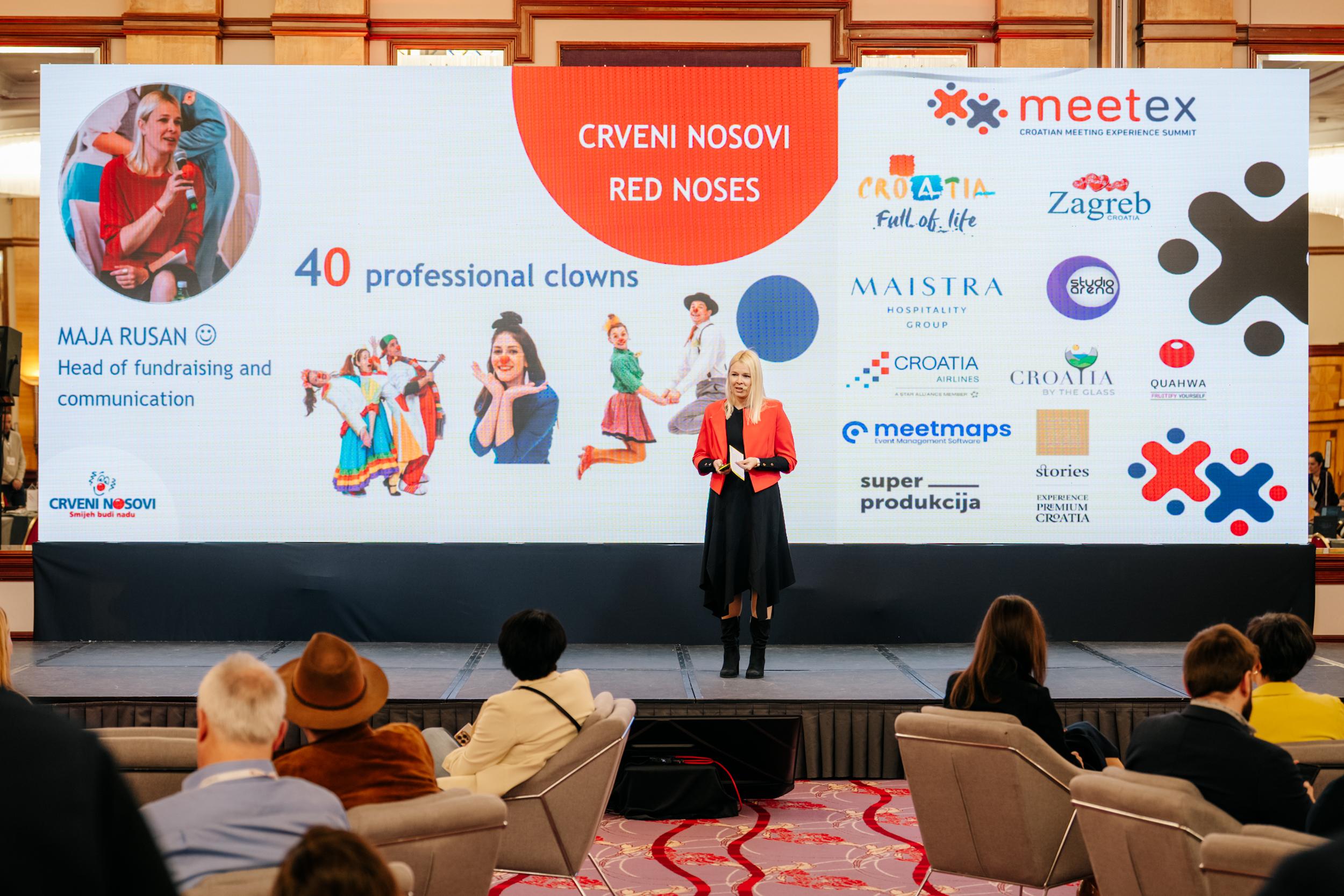
12. What is one common misunderstanding about fundraising that you wish more leaders and organisations would leave behind?
Maja Rusan: That fundraising begins when an organisation needs money. It begins much earlier. It begins with a relevant mission, a credible organisation, clear impact, good communication, leadership commitment, data, systems and relationships. If all of that is weak, the fundraising team cannot magically compensate by asking harder. I would also love organisations to stop seeing fundraising as something slightly uncomfortable or less noble than programme work. Fundraising makes programme work possible. Asking someone to participate in meaningful change is not something to apologise for. Fundraising is not about taking money from people. It is about creating a bridge between intention and impact.
13. You have led a period of major fundraising growth at CRVENI NOSOVI. What do you believe made that growth possible?
Maja Rusan: There was no single campaign, donor or brilliant trick behind the growth. But there was a vision, and I believed very strongly that much more was possible… sometimes before the numbers gave us any reason to be certain. Over roughly four years, CRVENI NOSOVI grew from around EUR 700,000 in annual income to approximately EUR 2 million. I did not inherit a large fundraising structure or a fully developed team. Much of the beginning was quite lonely: I was building the team and the system while we were already running, often without much support. There were moments when I believed in the potential much more strongly than the environment around me did. I kept going because I had a very clear picture of what we could become. Sometimes leadership means holding the vision long enough for other people to begin seeing it too. I wanted us not simply to compete for the fundraising market that already existed, but to help create a market that could grow with us. I had the vision and competencies, enormous persistence, courage, wonderful people who gradually joined the journey, and probably a little madness and a little luck. It also required investment. I do not believe you can build sustainable growth with a mindset that is afraid to spend. If you are never willing to invest, test and sometimes fail, you cannot expect to keep creating new income. Sometimes the riskiest decision is to invest. But sometimes the greater risk is not to invest at all. We invested in people, new channels, donor care, communication, data, innovation, new projects and development areas. We tested, learned, adjusted and kept building. Perhaps part of that courage came from my earlier business experience. I had already seen a company spend almost twenty years at the top and then lived through five years in which the financial crisis changed almost everything. It taught me not to confuse safety with standing still, and not to take success for granted. And none of this happens without people. A leader can hold a vision, but people turn it into reality. Growth is rarely one brilliant idea. More often, it is hundreds of good decisions made consistently by people who understand why they are making them.
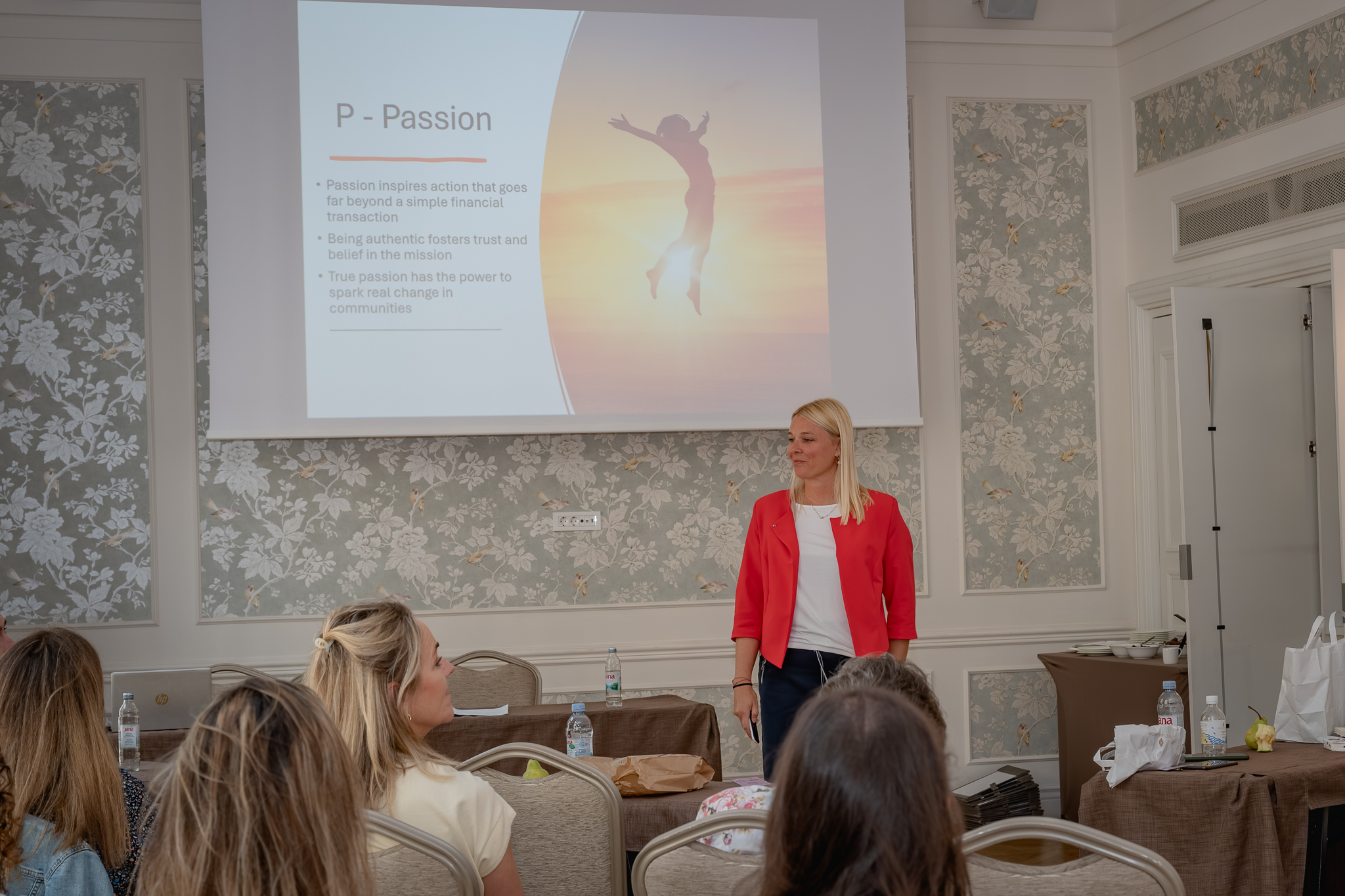
14. When income and visibility grow quickly, what needs to change inside an organisation—and what must remain protected?
Maja Rusan: Almost everything around the mission may need to evolve: processes, roles, technology, reporting, decision-making, team structure, competencies and sometimes even the way people communicate with one another. What must remain protected is the reason for the growth. Scale can become seductive. Bigger numbers create new expectations and new complexity. The danger is that the organisation starts serving the machinery of growth rather than the mission. For us, the question has to remain very simple: does this help us create more meaningful moments of joy, connection and psychosocial support for the people we serve? Growth should make the mission stronger, not more distant.
15. What did the growth period teach you about mistakes, pressure and making difficult decisions?
Maja Rusan: It taught me that growth exposes everything. It exposes weak processes, unclear responsibilities, gaps in leadership, insufficient data and activities that were manageable at a smaller scale but cannot survive complexity. It also taught me that not every difficult decision is a sign that something has gone wrong. Sometimes a difficult decision is exactly what responsible growth requires. I have learned to tolerate the discomfort of changing something that once worked, to ask harder questions and to distinguish kindness from avoidance. Leadership sometimes means protecting people from unnecessary pressure; sometimes it means asking them to step into greater responsibility. And I learned that mistakes become expensive only when we refuse to learn from them.
16. Looking back, which lesson from that period would you most want another nonprofit leader to know before their organisation enters a similar phase?
Maja Rusan: Build the organisation before you desperately need the organisation you are trying to build. Invest in people, data, systems and leadership earlier than feels necessary. When growth accelerates, you will not suddenly find extra time to create them. And do not assume that more income automatically means more organisational health. Growth has to be managed. Ask continuously: Where are we becoming fragile? What depends too much on one person? Which process will break if volume doubles? What should we stop doing? The goal is not simply to grow. The goal is to become capable of carrying the growth.
17. You often speak about investment in society. What makes a corporate partnership genuinely meaningful rather than simply a sponsorship?
Maja Rusan: A meaningful partnership begins when both sides understand that they are not exchanging money for visibility. They are combining resources around a social outcome that matters. I often speak about corporate support as an investment in society because language shapes the way we think. I say that with enormous respect for companies. Profit is not easy to create. Behind it are people, risk, salaries, customers, investment, difficult decisions and years of work. I saw that first-hand in the factory where I grew up professionally. Companies create value with and through society, and I believe there is something very natural about part of that value finding its way back into the same society. That is not a punishment for being profitable; it can be one of the most meaningful expressions of success. I believe every company has a human spark somewhere inside it.. sometimes they simply have not discovered it yet. The strongest partnerships help reveal that spark by connecting the company’s values, people or business with a genuine social need. And they answer a question I often ask in corporate settings: how far can one business decision travel? Sometimes much further than anyone in the boardroom will ever see.
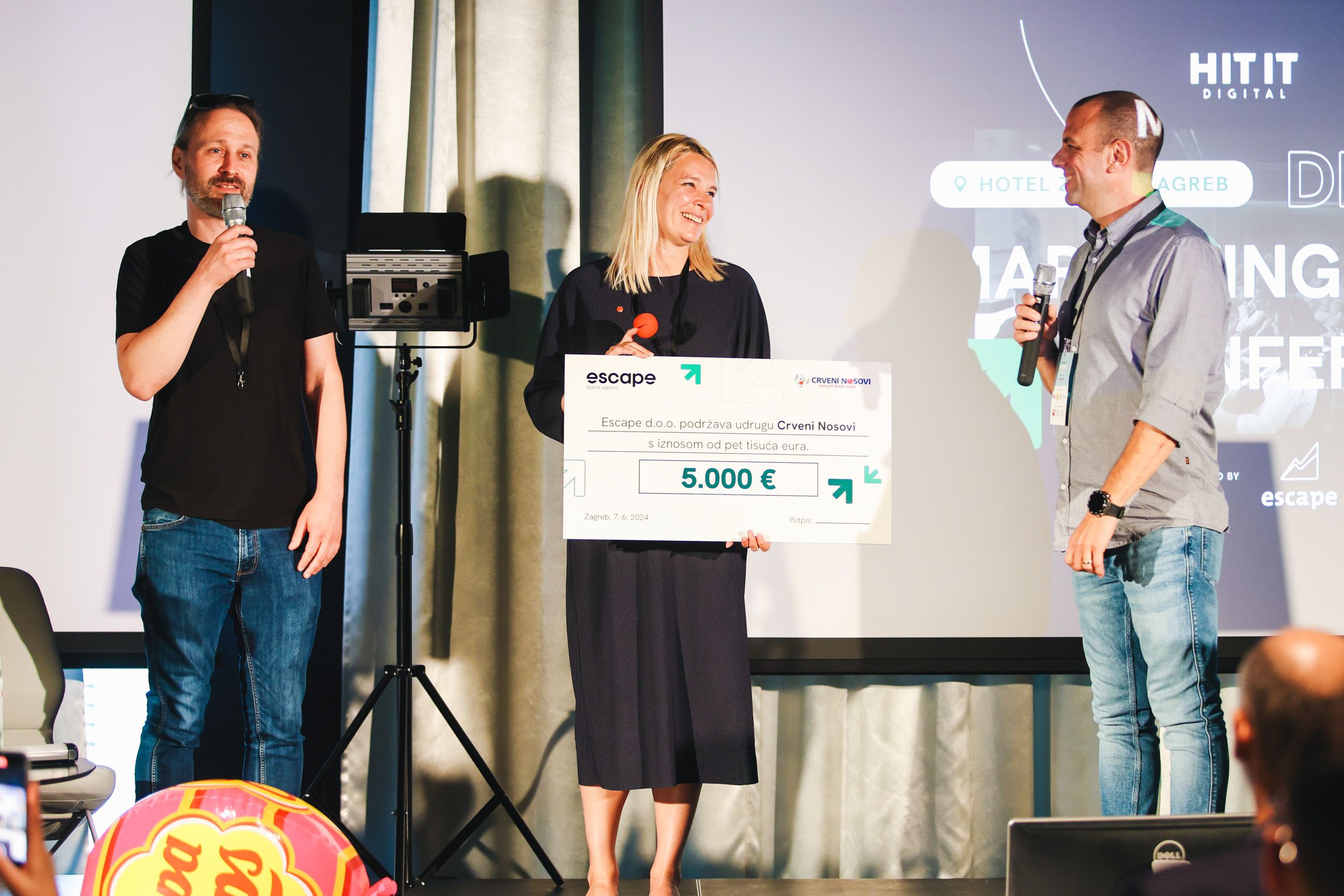
18. What do good companies need from nonprofits before they can confidently commit to a long-term relationship?
Maja Rusan: They need professionalism and trust, but they also need to feel something. Companies do not make decisions; people inside companies do. And people need emotion, meaning and a reason to care. Professionalism creates confidence. Emotion creates connection. You need both. They need to know that the organisation understands its mission, measures its work, manages resources responsibly and can communicate clearly. But they also need a partner who understands them. Corporate fundraising is not successful when we send the same proposal to fifty companies and change the logo on the first page. We need to understand the company’s priorities, people, customers, ESG or social-impact ambitions, culture and constraints. And then we need to make collaboration easy. A good nonprofit partner does not only arrive with a need. It arrives with ideas, solutions, implementation capacity and a clear explanation of the impact the partnership can create while never losing the human reason that made someone want to act in the first place.
19. How can an organisation discover the values a company genuinely cares about and connect them with a real social need?
Maja Rusan: Listen before proposing. Look at what the company does, not only what it says: how it treats employees, what it invests in, which communities it operates in, what its customers care about, what leaders speak about and which initiatives it has sustained over time. Then search for an authentic intersection. Not every company is the right partner for every cause, and forcing the connection usually produces shallow collaboration. When the intersection is real, the conversation changes. We are no longer trying to persuade a company to care about our organisation. We are helping it act on something it already values through a credible social-impact partner.
20. Beyond money, what can companies bring—people, skills, networks, knowledge or creativity—and how can nonprofits make those contributions meaningful?
Maja Rusan: Almost every company has resources that are more diverse than its donation budget: expertise, employees, communication channels, customers, technology, logistics, networks, products, spaces and creative talent. The nonprofit’s job is not to accept everything simply because it is offered. We should ask which resources can genuinely strengthen the mission and how they can be used without creating more work than value. I like to think of this as a chain of good. A company creates a product or service, employees create value, customers choose it, profit is generated, and part of that value can return to society through a nonprofit that transforms resources into social impact. Everyone carries one part of the chain; no one is the only hero. Some of the most exciting partnerships happen when employees become involved, when a company’s product or customer journey creates a fundraising mechanism, or when business expertise solves an organisational challenge. Money funds impact. But relationships can multiply it.
21. What makes a social-impact story feel authentic to you rather than like a marketing message?
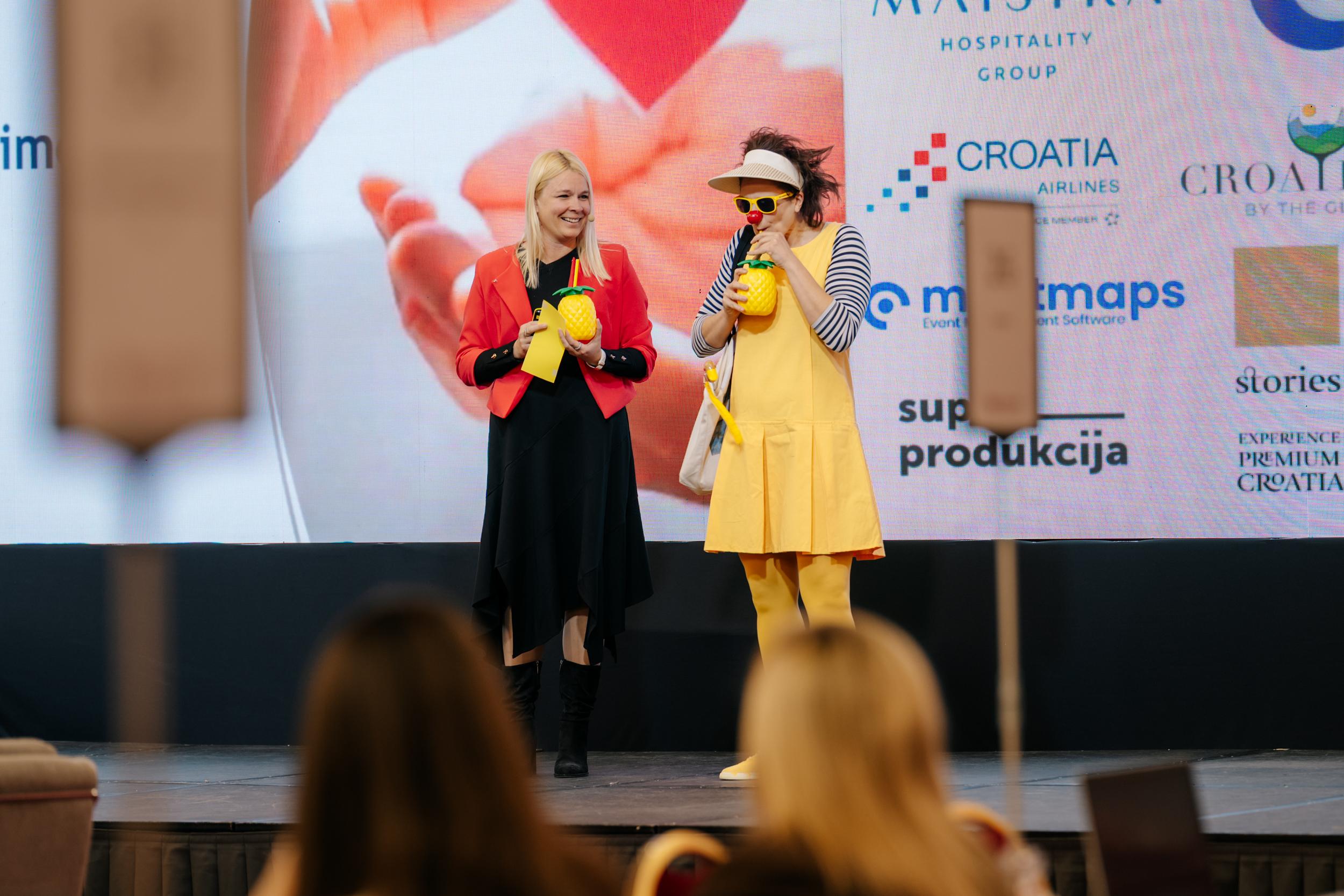
Maja Rusan: An authentic story respects the person at its centre. It does not turn vulnerability into a communication tool. It does not exaggerate pain to generate a reaction. It gives people dignity, complexity and agency. For me, the strongest stories often contain a small, concrete moment rather than a dramatic claim. A child waiting for the clown doctors to appear at the door. A donor who remembers why they first gave. A company employee who suddenly understands where one business decision can lead. The story should make the mission visible without making the organisation the hero. The person, the relationship and the change are the story.
22. How do you communicate difficult realities without making people feel helpless, while still giving them a reason to care and act?
Maja Rusan: I believe in telling the truth, but not leaving people inside the problem. If communication only shows pain, people may feel sadness, guilt or helplessness. Those emotions can attract attention, but they do not necessarily build a healthy long-term relationship with a cause. We try to show the reality and then create a path toward agency: this is difficult, this matters, and there is something meaningful we can do together. Hope is not the denial of difficulty. Hope is the belief that our action can matter inside it.
23. What have fundraising taught you about the relationship between emotion and strategy?
Maja Rusan: Emotion opens the door. Strategy determines what happens after someone walks through it. People rarely support a cause because a spreadsheet moved them. But emotion without strategy can create a moment and lose the relationship. We need to know what happens after someone responds: how we welcome them, thank them, understand them, communicate impact and invite them to stay. I love that fundraising requires both sides of me. It needs empathy, storytelling and intuition, but also analysis, segmentation, budgeting, systems and long-term thinking. The strongest fundraising is neither purely emotional nor purely rational. It makes people feel something meaningful and then gives that feeling somewhere intelligent to go.
24. When you speak publicly about corporate fundraising, what is the one idea you most hope people remember after they leave the room?
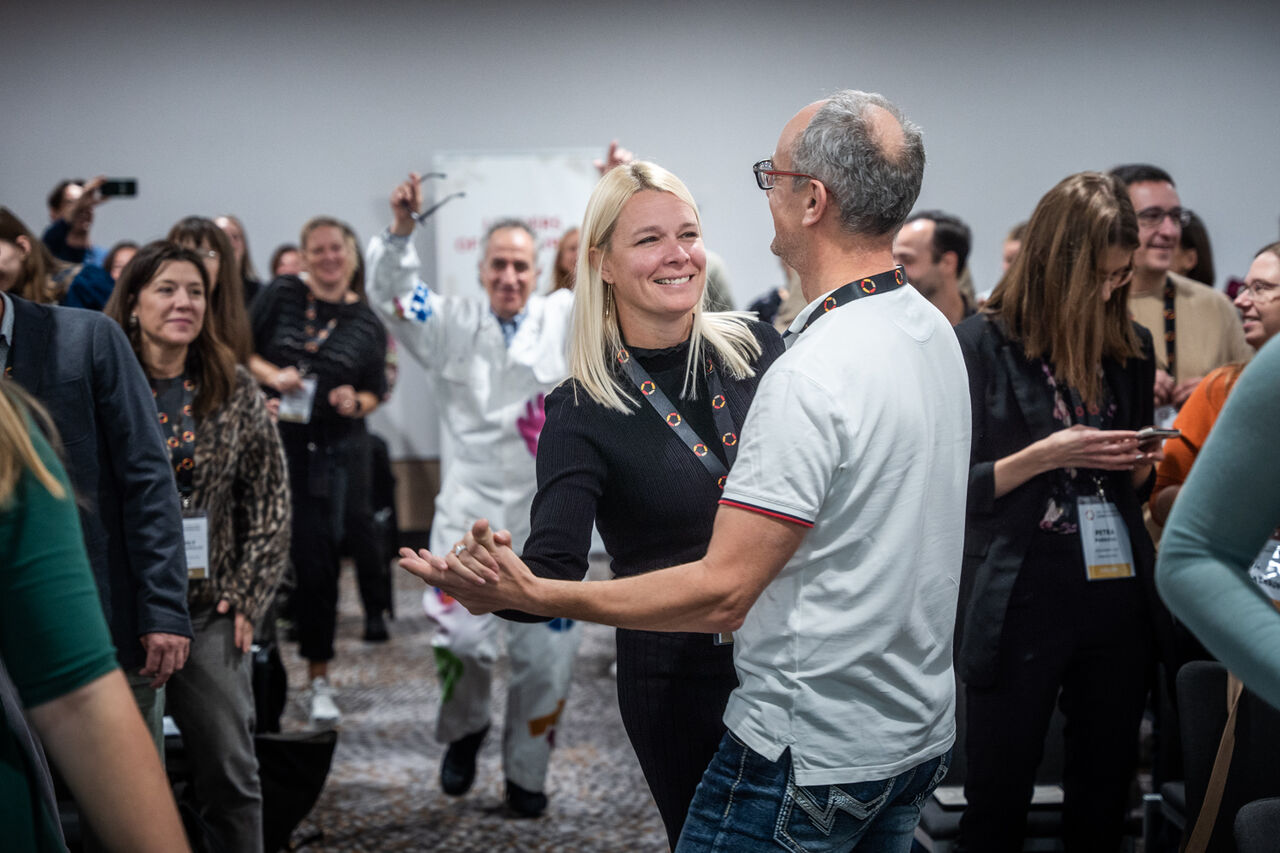
Maja Rusan: Never underestimate how far one business decision can travel. A decision made in a meeting room can become a hospital visit, a moment of laughter, a programme that reaches a new city, support for a family or an experience that someone remembers years later. And sometimes one moment does not change your circumstances. It changes the way you see them. A look, a laugh or an unexpected human connection can bring you back to the present, make you grateful for what you have and sometimes help you make peace with what you do not. Whatever the subject of the conference, I love creating one moment in which the room stops thinking only as professionals and remembers that before all our titles, targets and organisations, we are human beings. Sometimes the most powerful thing you can bring into a business room is humanity. We often talk about corporate social responsibility in frameworks, reports and percentages. Those are important. But somewhere at the end of that chain is usually a human being. That is the connection I want people to remember.
25. You have said that fundraising is closely connected to leadership. What does that look like in everyday work, beyond a job title?
Maja Rusan: Fundraising leadership means creating the conditions in which other people can succeed. It is setting direction, making priorities clear, connecting people who need one another, asking difficult questions, removing obstacles and making sure that ambition is matched by responsibility. It also means carrying uncertainty. Fundraising is full of variables we cannot control. A leader cannot promise that every campaign will succeed, but can build a team that learns quickly, understands its numbers, shares information and is not afraid to test. For me, leadership is visible in what happens when the leader is not in the room. If people can make good decisions because they understand the purpose, principles and goals, leadership is working.
26. How do you recognise potential in a person, especially when they may not yet see that potential in themselves?
Maja Rusan: I look for energy before perfection. Curiosity, responsibility, courage to ask questions, willingness to learn and that small sign that someone cares about the result beyond completing a task. Potential is often uneven. Someone may be extraordinary in one area and insecure in another. A leader’s role is partly to see what could exist before it is fully visible. I have benefited enormously from people who saw something in me and opened a door. I try to do the same for others. But potential also needs ownership. We can encourage someone, teach them and create opportunities, but eventually they have to step through the door themselves.
27. What is a leadership lesson you learned through a mistake or difficult period that no book or course could have taught you?
Maja Rusan: That avoiding a difficult conversation is not kindness. I naturally want people to feel trusted, supported and able to grow. Earlier in my leadership journey, I sometimes believed that more time, more support or another explanation would solve almost every performance or collaboration problem. Experience taught me that clarity is also a form of respect. People deserve to know what is expected, where they are succeeding and where something needs to change. For me, trust is not the absence of accountability. Real trust means believing that someone is capable of more and being willing to have the difficult conversations that help them get there.
28. How do you create a team culture where people can be ambitious while still feeling safe enough to ask questions, admit mistakes and learn?
Maja Rusan: By giving people both freedom and responsibility. I want people to have independence, to think, propose, test and develop. I share knowledge openly because I want people around me to become stronger and more capable, not dependent on me. At the same time, I expect work, a good attitude, ownership and responsibility toward the job and toward one another. I can teach a process. I can share knowledge. I can help someone develop a skill. But I cannot manufacture their why. When people understand why their work matters, you can see it. It changes the energy they bring into the room and it carries them when the work becomes difficult. I also value lightness and positive energy. Our work can be serious without us becoming heavy. I want a team where asking for help early is a strength, where a mistake can become learning, but where hiding a problem or avoiding responsibility is not confused with psychological safety. We can say, ‘This did not work – what did we learn?’ and at the same time expect someone to own the next step. High standards and humanity can coexist. That balance is built in hundreds of everyday reactions.
29. What do you think the fundraising and nonprofit sector needs to become better at over the next five to ten years?
Maja Rusan: We need to become better at combining heart with evidence and more confident about our own professionalism. Nonprofit does not mean non-professional. In my role, I deal with many of the same questions a commercial leader would recognise immediately: revenue growth, acquisition, retention, segmentation, brand, communication, customer or donor experience, technology, budgets, people and strategy. The difference is where the value ultimately goes. The sector needs stronger data, technology, leadership development, financial literacy and investment in people. We need to understand AI and new tools without allowing technology to remove the humanity from relationships. We also need more courage around investment. Sustainable income does not appear simply because the mission is worthy. Through the education I do with organisations, I would love us to build a stronger benchmark for what professional nonprofit leadership and fundraising look like. There are extraordinarily capable people in this sector, and their work deserves to be recognised at the level at which it is actually performed. I would also like us to stop treating the nonprofit sector as the ‘third sector’ if third quietly means less important. Business, public institutions and civil society are three essential parts of a functioning society. None of them can create a complete and successful society alone.
30. If you could change one thing about how companies and nonprofits work together today, what would you change?
Maja Rusan: I would replace the question ‘What can you give us?’ with ‘What can we change together?’ Profit and social impact are not opposites. Some of the best things happen when we bring them together. A healthy company needs to create profit; a healthy society needs organisations willing and able to address human and social needs. There is no reason those two realities should live in separate rooms. That shift moves us from transaction to partnership and from a short-term donation to shared thinking about impact. Nonprofits need to become better at understanding business, and companies can involve social-impact partners earlier, while ideas are still being shaped rather than after a CSR budget has already been allocated. The best partnerships are not built around the needs of one organisation. They are built around a social challenge both sides have decided is worth addressing and around the belief that together they can create more value than either could alone.
31. You are expanding your work through speaking, education and consulting. What do you most want to teach the next generation of fundraisers and social-impact leaders?
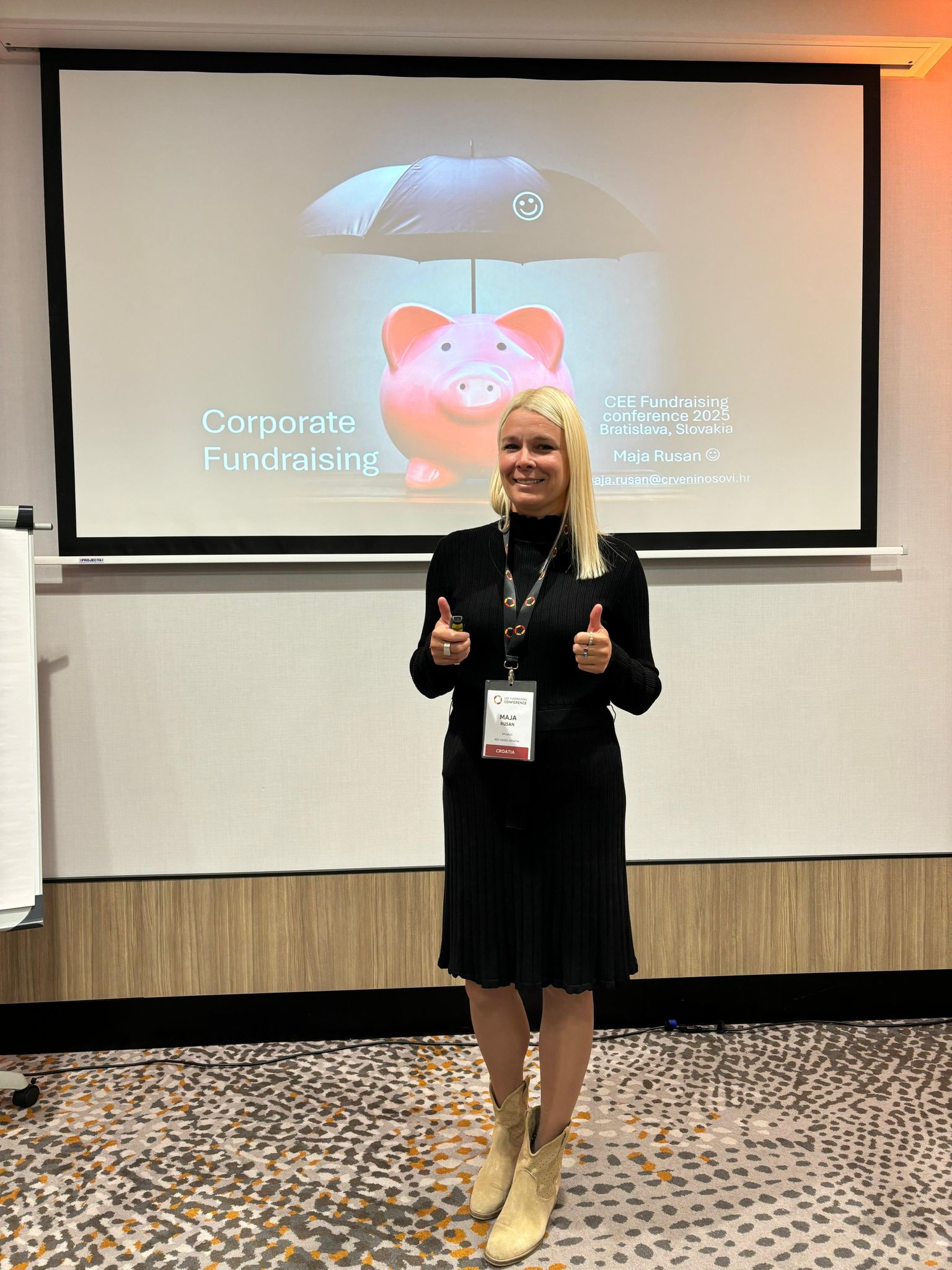
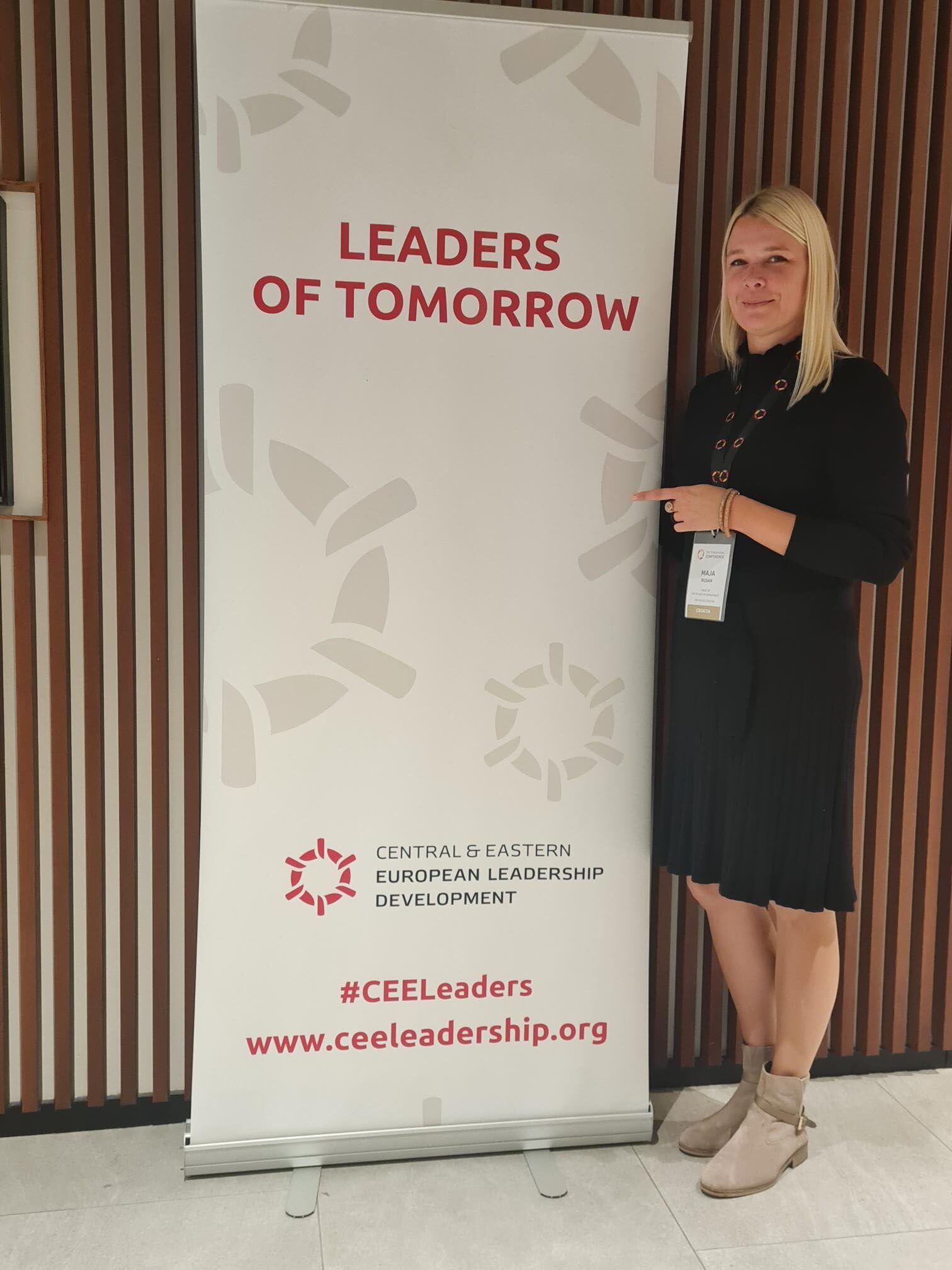
Maja Rusan: I want the next generation to understand that fundraising is both a profession and a deeply human practice and I increasingly see my own future work as a way of connecting those two dimensions across different audiences. Through fundraising education and mentoring, I want to help nonprofit organisations become more confident, strategic and professional in the way they build sustainable income. I teach from practice – growth, mistakes, investment decisions, channels, donor relationships, data and leadership, not only from theory. I have shared this experience with around 40 nonprofit organisations in Croatia, through mentoring and educational programmes such as Erste’s #OstaviDobarTrag, and with international fundraising audiences at the CEE Fundraising Conference in Bratislava, RED NOSES FUNCOM and EFHCO Fundraising Xchange. My goal is not to teach organisations how to ask for money. It is to help them build the capacity, confidence and leadership to fund their mission sustainably. My work with companies has a different purpose. I want business and social impact to understand each other better. I know how demanding it is to create profit, employ people, manage costs, remain competitive and carry responsibility. That is why I speak about CSR and corporate partnerships not as something sitting at the edge of business, but as an opportunity to connect business success with social value. Profit and social impact are not opposites. Some of the most powerful things happen when we bring them together. When I speak at business conferences, fundraising and social-impact conferences, I love finding the human story inside topics such as leadership, growth, CSR and decision-making. Whatever the subject of the conference, I try to create one unexpected moment when the room stops thinking only as professionals and remembers that behind every title, target and organisation is a human being. Sometimes the most powerful thing you can bring into a business room is humanity. I carry the same perspective into television, radio and professional media, because these conversations should reach beyond the nonprofit sector. There is another part of my educational work that is especially close to me: children and young people. Through a project I created, ‘Djeca u skolama za djeca u bolnicama’, children learn about empathy and philanthropy while creating support for children in hospitals. The project is personal to me because, from my own childhood experience with a long-term health condition, I knew what it felt like when understanding and support from peers were missing. Years later, I had the opportunity to turn something I had missed into something another child might receive. If we want a more philanthropic society tomorrow, we cannot begin educating people about giving only when they become donors. These children will one day be employees, entrepreneurs, leaders, donors and citizens shaping the society they want to live in. Over the years, I have started to describe my own approach through my own business called PURE GIF. It is not a formula for fundraising. It is a reminder of the elements I keep finding underneath good fundraising and good leadership. At first glance, fundraising education, corporate partnerships, speaking, consulting and work with young people may look like different areas. To me, they are part of the same idea: helping people recognise the value they already have and turn it into value for someone else. I see my role increasingly as a connector – of people, knowledge, business and social impact. That is something I have naturally done throughout my life. Today, I simply understand much better why it matters.
32. When you look back many years from now, what would make you feel that your work truly mattered—not only in numbers, but in people’s lives?
Maja Rusan: There is a quote about leadership that I chose years ago during a workshop and still keep on my wall. It speaks about leadership through the legacy that inspires other people to dream more, learn more, do more and become more. I think I chose it because, even then, it expressed something I wanted my work to mean. Legacy, for me, is not just about being remembered. It is about something valuable remaining. I hope I will be able to look back and know that something continued without me. That someone I encouraged became a courageous leader. That a fundraiser I taught learned to see people before numbers. That a child who learned about empathy and philanthropy carried that understanding into adulthood. That a project I created continued to connect people. That a company discovered its human spark and made one decision that changed somebody’s day or perhaps much more than a day. And that somewhere, a child who was frightened or lonely laughed because thousands of people they will never meet decided to care. I think I would feel enormously proud, but even more grateful, to know that I had been given the opportunity to create something that became valuable to someone else. Of course I am proud of growth and numbers. Numbers help us understand scale, discipline and what our work makes possible. But they are never the final destination. Numbers tell us how far we have travelled. People tell us whether the journey mattered.
HELP KEEP IDEAS ALIVE
Great ideas deserve to be heard, preserved, and passed forward.
Astra Global Ventures exists to bring thoughtful conversations, original perspectives, and meaningful stories into the world—and to preserve them for readers today and generations to come.
If this work has meant something to you, please consider supporting our independent publishing work. Your contribution helps us continue the research, editing, design, and publishing that bring meaningful voices and ideas to life.
Every contribution, whatever its size, helps us keep creating and sharing work that matters.
SUPPORT INDEPENDENT PUBLISHING
For international supporters, you can contribute securely through PayPal:
Scan the QR code or use the PayPal link below to support our independent publishing work.
Support Astra Global Ventures via PayPal
Thank you for helping meaningful ideas live beyond the moment.