Beyond the Credits: Deena Trudy on Creating Stories, Taking Risks & Building Her Own Path
Beyond the Credits: Deena Trudy on Creating Stories, Taking Risks & Building Her Own Path
Astra Global Ventures
Beyond the Credits: Deena Trudy on Creating Stories, Taking Risks & Building Her Own Path
Interview by Sundram Kumar
Biography
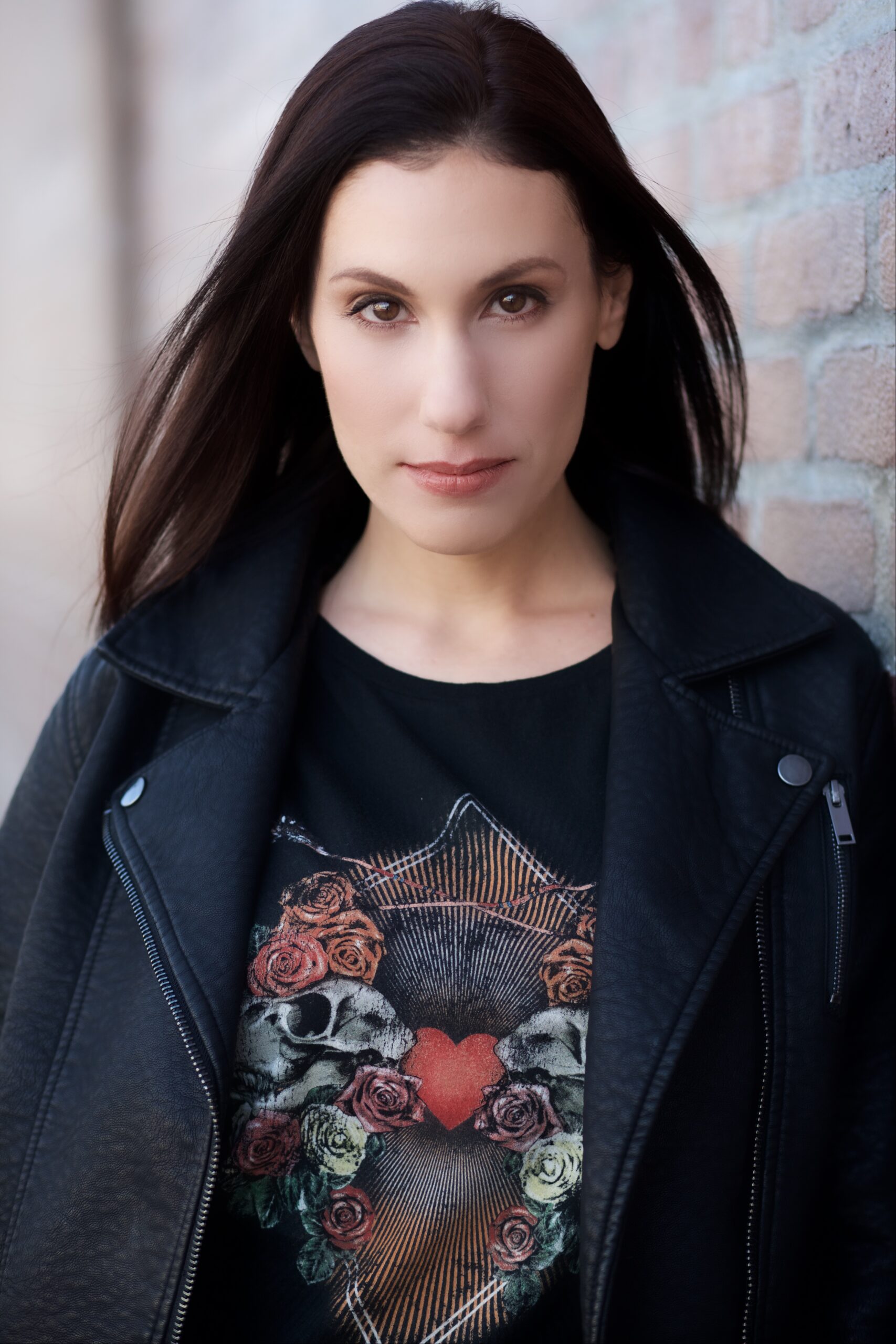
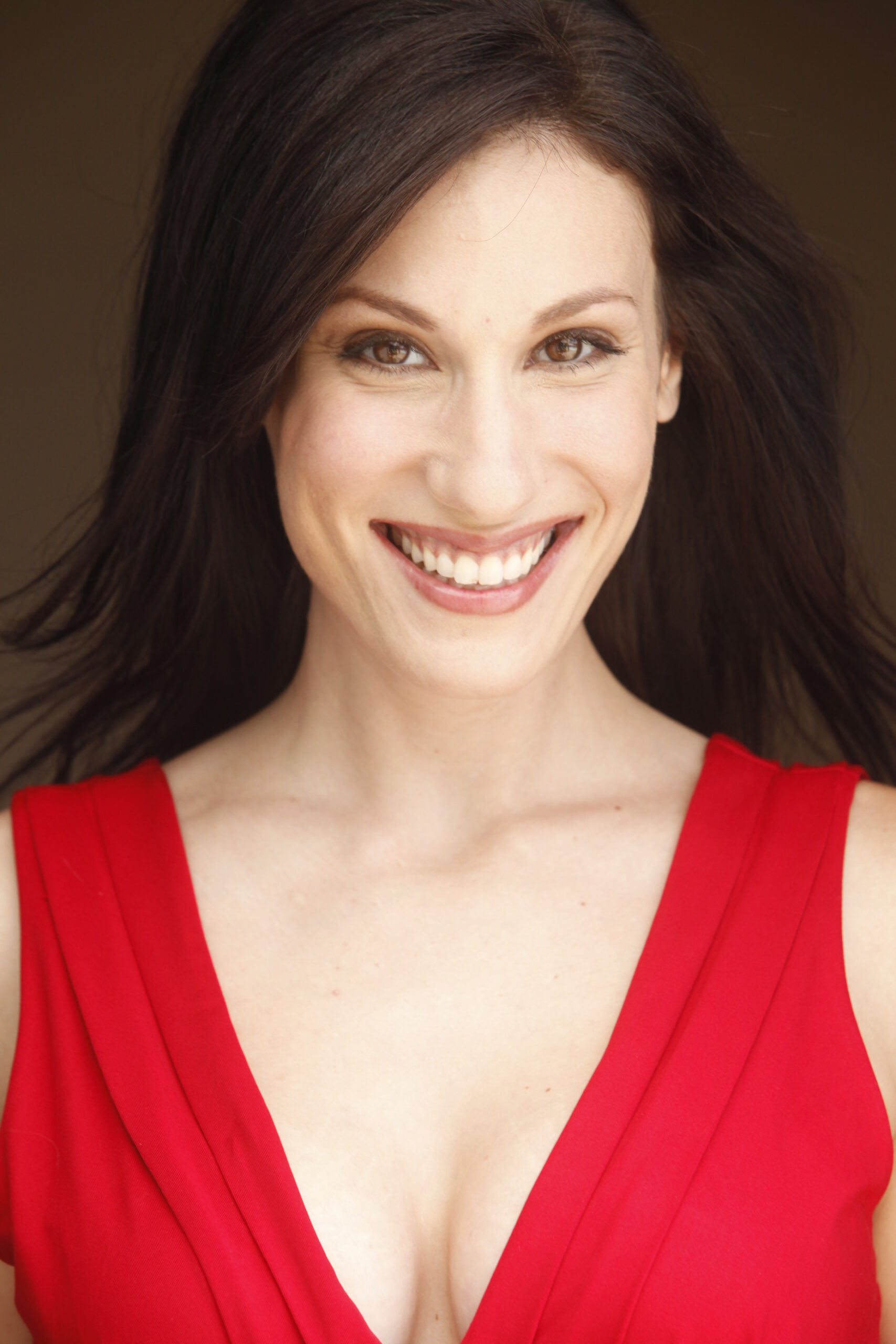
Deena Trudy is a filmmaker and multi-hyphenate creative whose work spans writing, directing, producing, and acting in independently produced film projects. Born Deena Trudy Goldberg in Edmonton, Alberta, Canada, she moved with her family to Palo Alto, California in early childhood and later lived in New Jersey, New York, and Arizona. After her parents’ divorce, she grew up in Scottsdale, Arizona, where she became involved in the juvenile justice system and spent time in long-term locked juvenile facilities. Released at 18 following a court decision not to transfer her to adult prison, she went on to earn a degree in Business and initially planned to pursue marketing before transitioning into film and acting.
Trudy began working in Arizona’s independent film and commercial scene, appearing in productions including Lucky You (Warner Bros.), House, CSI, Heroes, The Office, and NCIS. A turning point came when she co-created, produced, and directed the web series Toke N’ Choke Dispensary, beginning in 2013. She has since continued developing and directing independent film projects with collaborative crews, working across filmmaking, production, and performance.
Social Links:Facebook | Instagram: @deenatrudy | Twitter/X: @deenatrudy
“A career in entertainment can be measured through credits, projects and releases. A creative life is measured differently: by the stories we choose to tell, the risks we are willing to take, the lessons we leave behind, and the people those stories reach.” — Deena Trudy
CHAPTER I — THE BEGINNING: Origins, Identity and the First Desire to Create
01 Every creative life begins before it has a professional title. When you think about the younger Deena who first felt drawn to performance and storytelling, what do you remember wanting to express?
Deena Trudy: When I was younger, I remember watching movies and being intrigued not only by the actors or specific actors I liked, but by the stories themselves. One of my favorite movies growing up was Home Alone. I watched it so many times that I literally memorized everyone’s lines. I could almost say the entire movie along with the characters. I loved the idea of the big family, the mischievous kid, and the clever ways he found to deal with the trouble he got himself into. It was also a very feel-good movie for me.
I think I was thinking about storytelling and how films were made much earlier than I realized. At that age, though, I wasn’t necessarily thinking about creating something for other people to watch. I simply loved acting, so I would try to get parts at my local theater when I was a kid. I also loved reading from a very young age. I would read huge books, including 1,000-page Stephen King novels, but I read all kinds of things because I was fascinated by stories.
I also started writing poetry when I was very young—I remember writing it when I was around seven. Looking back, I think the common thread was always storytelling. Before I ever thought about filmmaking as a career, I was already completely absorbed by characters, stories, words, and the different ways people could express an idea.
02 You studied Business and Marketing while building a career in entertainment. What has business taught you about building a creative career—and what has creativity taught you about business?
Deena Trudy: I’ve always viewed entertainment as both an art and a business. Acting, filmmaking, and other forms of creative expression are obviously artistic, but at the same time, you’re creating something that exists within a marketplace. When I first started acting, I auditioned not only for film and television but also for commercials, and those experiences taught me that sometimes you’re being considered for a very specific look, presence, or type. There’s creativity involved, but there’s also a business decision being made.
As I became more involved in creating different kinds of content, from short-form projects to feature films, I understood that I wasn’t simply creating something for myself. I was creating something that would ultimately enter a marketplace and need to find an audience.
My business education gave me a useful foundation for understanding that side of the industry, but my career in entertainment taught me just as much about business. When I entered the industry as an actor, I became friends with people working behind the camera, including directors and producers. Through those relationships and experiences, I learned a great deal about the business of filmmaking, including how films are bought and sold and how the domestic and international markets work.
I think one of the biggest lessons for me has been that creativity and business don’t have to compete with each other. Understanding the business can actually give a creative person more freedom because you have a better understanding of how to get your work made, how to position it, and ultimately how to get it in front of an audience.
03 Your training includes improvisation. What has improvisation taught you about listening, taking risks and staying present?
Deena Trudy: I love improvisation. It’s not only fun, but it’s also extremely useful on a set because it teaches you to be present in the moment, whether you’re working as an actor or directing and working with other actors. As an actor, if you’re not listening, you really can’t improvise effectively. You have to actively listen to the other person and respond to what they’re giving you in the moment, rather than simply waiting for your turn to speak.
I also think taking risks is important as an actor, particularly when you feel strongly about a creative choice. Taking risks as a producer or director can be different because there are more factors to consider, and it depends on what kind of risk you’re talking about. I’m definitely a risk taker creatively, but I’m not interested in taking unnecessary risks when it comes to production or safety.
Ultimately, improvisation has reinforced for me how important it is to be present. That matters in front of the camera, behind the camera, and really in life in general. Being present allows you to actually listen, respond, adapt, and recognize what is happening in front of you rather than being so focused on what you think is supposed to happen.
04 Before directing and producing became part of your work, what did acting teach you about people and about the way stories work?
Deena Trudy: As an actor, I learned very quickly that even if you’re a good actor and genuinely connect with a role, the audition process doesn’t necessarily mean you’re going to become part of that particular story. There are many factors that go into finding the right person for a character.
Now that I often create the story, produce and direct the project, I usually have a general idea of the type of person I’m looking for to portray a particular character. That doesn’t mean an actor can’t completely change my mind about what I’m envisioning. Great actors have versatility, and sometimes an actor can come in and show you something about the character that you hadn’t considered.
I really love actors—not just because I’m an actor myself, but because I genuinely enjoy working with them and having conversations about the characters. I like talking about how a character might feel in a particular situation, what motivates them, and how they would respond to what is happening around them.
Acting also taught me that you can’t tell a story effectively without the right people to bring those characters to life. A great actor doesn’t simply say the words that are written; they help make the character real. As a storyteller and director, part of my responsibility is finding the actors who can best embody those characters and ultimately help me tell the story I want to tell.
05 Was there a moment when you realized you wanted to create opportunities, not only wait for them?
Deena Trudy: Yes. There was a very specific moment when that happened. I was with my longtime friend Shanna Clark at our apartment, and we were talking about production. By that point, I had already been on a lot of different sets, both independent films and studio productions, working as an actor as well as doing smaller roles in film and television. I had spent a lot of time observing what was happening behind the scenes, so I had developed a pretty good understanding of how productions worked.
Shanna and I started talking about the possibility of creating a show somewhat similar in style to The Office, but set inside a marijuana dispensary. This was in 2013, when dispensaries were still relatively uncommon in the United States, although there were quite a few in Los Angeles, where we were living. We both thought the day-to-day world of a dispensary could make a really interesting setting for a show. I also believed that dispensaries were going to become much more widespread, so I thought we were looking at a world that was going to become increasingly relevant.
We had become familiar with dispensary owners and budtenders and had seen how much personality and interesting interaction existed in that environment. We started talking about what the show could be and how we could make it accessible enough that it could potentially be pitched to television, even though the subject matter was still somewhat risky at the time. After a few days of discussing it, we decided to write a pilot. Once we finished the pilot, I decided that we should actually make four episodes rather than just one. I wanted people to be able to see what the series really was and what we were trying to accomplish.
That became my first real experience as a producer and director. Shanna and I produced all four episodes, and I directed them. We had an extremely small budget—almost no money—so I had to figure out how to make the production happen with the resources we had. I believed we could attract a good crew on deferred pay because there were a lot of talented people in Los Angeles looking for opportunities and willing to get involved with a project they believed could potentially go somewhere.
Shanna helped me build the crew, and I focused on making sure we had as complete a production team as possible. Then we moved into casting, created the shooting schedule, and handled all the other elements that go into putting a production together. We ultimately shot all four episodes in a single location in Los Angeles.
At first, my intention was to create something that could potentially be pitched to television. But after we had made the episodes, I realized that I didn’t actually have a direct way to get the project in front of television networks. Web series were still relatively new and weren’t nearly as established as they are today, but I realized that the internet gave us another way to get the show in front of an audience. So I decided to release it as a web series.
Looking back, that was really the moment I realized I didn’t always have to wait for someone else to give me an opportunity. I could create one. I had spent years learning by being on other people’s sets, and eventually I realized I could take what I had learned and use it to build something of my own.
CHAPTER II — LEARNING THE CRAFT: From Actor to Filmmaker
06 You have worked on both major productions and independent projects. What did large professional sets teach you about discipline, teamwork and professionalism?
Deena Trudy: When I’m talking specifically about film, I think it’s important to distinguish between large studio productions and independent productions, because they can operate very differently even though they ultimately have the same goal: clearly telling the story in the specific way the creator or director intends.
One of the first film sets I ever worked on was a studio production for Warner Bros., and I immediately noticed how much the production functioned like a machine. Different departments were responsible for very specific areas, and everyone had a defined role. I watched how all of those departments coordinated with each other and how much planning went into even seemingly small things, such as coordinating extras, preparing scenes, and making sure everyone understood what was happening and who was responsible for what.
That experience taught me very quickly that discipline and teamwork aren’t optional on a film set. There are only so many hours in a shooting day, and every minute matters. I also realized that a lot of the work begins before anyone is actually shooting. Organization, paperwork, scheduling, and preparation are all essential to making the day run efficiently.
I carried those lessons with me when I began producing my own independent projects. I’m a friendly person and I enjoy working collaboratively, but when I’m acting as a producer, I’m also very direct because there has to be structure. Being an independent production doesn’t mean being unprofessional. In fact, I think independent filmmakers have to be especially organized because they often don’t have the same resources or number of people that a major studio production has.
I also believe it’s important to have a clear chain of command on a set. Everyone should feel like part of the team, but people also need to know who is responsible for making particular decisions. When everyone understands their role and respects the structure of the production, things can move much more efficiently. Ultimately, the goal is to use the limited time and resources you have to tell the story as well as possible.
07 What is one reality about the entertainment industry that you only understood after experiencing it from the inside?
Deena Trudy: There are a lot of realities about the entertainment industry that I think you only understand after experiencing it from the inside. One of the biggest for me is that creating things can be incredibly fun and rewarding, but actually building a career in the industry is one of the most difficult things I’ve ever done.
When you decide that you want to make a movie or pursue some other creative venture, you don’t necessarily understand the amount of work and time that is going to be involved. It’s an extremely long process, and you have to be willing to put in a tremendous amount of work without expecting immediate help, recognition, or money.
It took me a long time to make money from my work in the entertainment industry. While I was developing myself as a director and producer, I worked plenty of other jobs to support myself. I think when you’re first starting out, it’s easy to imagine that you’ll create something interesting and then the opportunities, support, or money will naturally follow. In reality, it doesn’t necessarily work that way.
I’ve learned that creating the work is only the beginning. You also have to be willing to figure out how to get it made, how to get people to see it, and how to keep going when there isn’t an immediate reward for all of the work you’re putting in. That’s probably one of the biggest differences between the idea of having a creative career and actually living one.
08 As an actor, you learn to trust a director’s vision. As a director, you become responsible for shaping that vision. How did moving behind the camera change your understanding of leadership?
Deena Trudy: I do think an actor has to learn to trust a director’s vision, but I also appreciate directors who are willing to have a conversation with an actor about the character. An actor may have a specific idea about the character that is different from what the director initially envisioned, and I don’t necessarily think one person has to be automatically right. Sometimes the best approach comes from discussing those ideas and finding something somewhere in between.
For me, moving behind the camera didn’t necessarily change my understanding of leadership as much as it changed my understanding of the different roles within a production. The actor is responsible for carrying out the character within the story, while the director is responsible for the overall vision of the project. Those are very different responsibilities, but they have to work together.
As a director, I like to pay attention to the actors while we’re working. If I feel that something in a scene could be adjusted, I’ll talk with the actor and we may do another take. But I also believe in giving actors the opportunity to ask for another take themselves. There may be times when I’m happy with a take and the actor feels that they can do something differently or explore the scene in another way. I like to give them that opportunity because you never know what else might come out of a scene when you allow the actor another chance to explore it.
Ultimately, I don’t think directing means having every answer yourself. It’s about having a clear vision while remaining open to the people you’re working with. The best result can sometimes come from something neither the director nor the actor originally imagined.
09 What is one lesson from a director, producer, actor or crew member that permanently changed the way you work?
Deena Trudy: I don’t necessarily love the word “permanently,” because there isn’t one single lesson from one person that changed the way I work forever. I’ve learned different things from a lot of people throughout my career, and I actually really enjoy that. I like watching how other people work and seeing what I can learn from them. I have my own style, but I’m always learning and adapting.
One lesson that became particularly important to me was the importance of sound in production. It’s easy to become focused on the visual side of filmmaking, but sound is an incredibly important part of creating a professional film, and it’s something that can be surprisingly difficult to get exactly right when you’re independently producing a large-scale production intended for a global audience.
That experience taught me to pay much closer attention to sound from the beginning of a production rather than treating it as something that can simply be fixed later. It’s one of those areas where watching and learning from people with more experience can make a huge difference.
10 What should a young actor learn about the craft before becoming too focused on recognition?
Deena Trudy: This is kind of a funny question to me because if you’re going into the entertainment industry specifically for recognition, I don’t personally think that’s a great reason to pursue it as a career. I started acting when I was pretty young, auditioning for all kinds of productions and eventually being cast in various films and smaller television roles. Of course, I thought it would be great to receive recognition someday, but that wasn’t the reason I was doing it. I did it because I genuinely loved acting and I loved creating.
I would tell a young actor that before becoming focused on recognition, they should make sure they truly love the craft itself. If you want to pursue acting as a career, you have to genuinely enjoy the process of creating a character and becoming that person.
The writer creates the character on the page and the director has a vision for the story, but the actor has the responsibility of developing that character into a real person. They have a history, motivations, emotions, relationships and circumstances that exist within the world of the story. As an actor, you’re essentially taking all of that information and making the audience believe that this person is real.
Recognition can be nice, but it shouldn’t be the thing that keeps you doing the work. If you don’t love the actual process of acting and creating, the industry can become a very difficult place to spend your time. If you genuinely love the craft, however, the work itself can remain rewarding regardless of what recognition comes from it.
CHAPTER III — CREATING INSTEAD OF WAITING: Independence, Leadership and Creative Ownership
11 Your career expanded from acting into writing, directing and producing. What ultimately pushed you from waiting for opportunities to creating them?
Deena Trudy: Ultimately, it came from being an actor who wanted to work and wasn’t getting enough opportunities to do it. I was auditioning and trying to get cast, but I realized that I could spend all of my time waiting for someone else to decide that there was a role for me, or I could create something myself.
That realization led directly to Toke N’ Choke Dispensary. I decided to create a show rather than simply wait for someone to cast me in one. I wrote and developed the project, cast myself as one of the characters, and took on the roles of producer and director so that I could actually make it happen.
That experience completely changed the way I looked at my career. I realized that I didn’t have to limit myself to being the person waiting for an opportunity. I could become the person who creates the opportunity—not only for myself, but eventually for other actors and filmmakers as well.
12 When you have creative control, what is the first thing you protect?
Deena Trudy: The first thing I protect is the idea itself. From a legal standpoint, that means protecting the actual story and intellectual property by making sure the appropriate copyrights and other protections are in place. But creatively, I’m also fairly private about what I’m working on.
When I have an idea that I’m developing, I don’t necessarily want to tell everyone about it before it’s ready. For example, when I decided to make Toke N’ Choke Dispensary, I didn’t tell people that I was going into production on a show about a marijuana dispensary. Obviously, the crew I was hiring needed to know what they were working on, but outside of the people directly involved in the production, I kept it very quiet.
In fact, I didn’t really tell people about it until after principal photography was finished. I think that’s because, in the early stages of creating something, the idea is still yours to develop and shape. Once you start putting it out into the world, everyone has an opinion about it. I like to protect that initial creative space long enough to actually make the thing.
So whether I’m thinking about it from a legal perspective or a creative one, the first thing I protect is the idea.
13 Independent filmmaking often means carrying several responsibilities at once. What has that taught you about leadership?
Deena Trudy: I’ve always been comfortable in leadership roles, and I genuinely enjoy leading people. It’s not about having power over other people; I think I’m good at organizing people, communicating with them, and giving a production a clear direction. Most people seem to enjoy working with me, and I value that, but I also recognize that not everyone is going to be the right fit for every production. If someone and I don’t work well together, there’s no reason to force the relationship.
Independent filmmaking has taught me that leadership means being willing to take responsibility for the overall production while still working as part of a team. When I’m producing or directing, I have a clear vision and very specific ideas about how I want a production to operate, but I also want everyone involved to understand their role and feel that we’re working toward the same goal.
Because independent productions don’t always have the same resources or personnel as larger productions, you often have to take responsibility for many different things at once. That has taught me to be decisive, organized, and willing to step in wherever I’m needed. To me, strong leadership isn’t about telling everyone what to do simply because you’re in charge. It’s about creating enough structure and direction that everyone can do their job well and the production can actually get finished.
14 How do you decide when to stay loyal to your original idea and when to let the project change?
Deena Trudy: I don’t think of myself as being disloyal to my production when things change. I actually embrace change, although obviously it depends on what kind of change we’re talking about. I have a clear vision for a project, but I’m not so attached to every individual detail that I can’t listen to the people I’m working with.
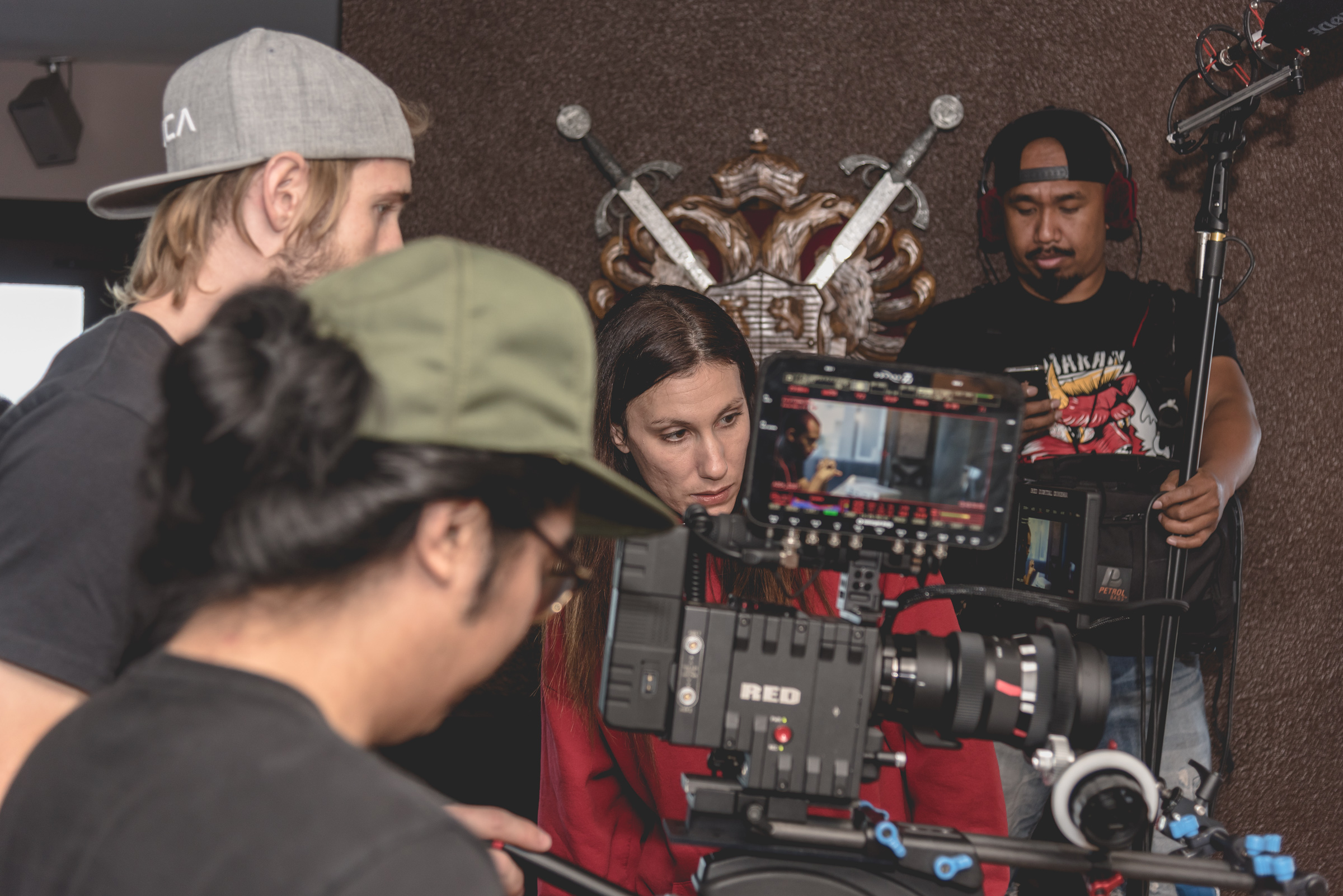
For example, if my director of photography shows me something on the monitor and has an idea or feedback about a particular shot, I’m completely open to changing the setup and seeing what it looks like. We can try something different and decide whether it works better. The same applies to actors. If an actor wants to discuss a line because they have a different perspective on how their character would say or respond to something, I’m willing to have that conversation and consider changing it depending on the context.
I think there’s a difference between protecting the core of the story and being rigid about every detail. The original idea gives the project its foundation, but filmmaking is collaborative, and sometimes another person’s perspective can make the finished project better.
As for major changes before production begins, that depends entirely on what the change is and what effect it would have on the overall story and production. I’m open to changes when I believe they serve the project, but I also know when something is fundamental to the story and needs to remain intact.
15 What is one mistake you think new independent filmmakers should avoid?
Deena Trudy: There are a lot of mistakes that independent filmmakers can make, but one of the biggest is assuming that if you create something you believe strongly in, recognition, support, or distribution will automatically follow.
You can believe completely in your project and still have to do a tremendous amount of work to get people to notice it. I think new independent filmmakers should avoid automatically expecting larger companies or established people in the industry to come in and provide the help they need. Instead, they should learn as much as they can about the different aspects of production, marketing, and distribution and become as self-sufficient as possible.
Independent filmmaking is a different type of terrain, and the path isn’t always going to look like the path available to a major studio production. I think new filmmakers should understand that from the beginning and learn how to navigate that landscape in their own way. The more you understand about the entire process, the less dependent you are on someone else deciding whether your project deserves an opportunity.
CHAPTER IV — TOKE N’ CHOKE: From a Web Series to a Feature Film
16 Toke N’ Choke Dispensary began as a scripted web series and later became a feature film. What was the first idea that made you want to create that world?
Deena Trudy: The original idea for Toke N’ Choke Dispensary goes back to 2013, when I created it as a scripted web series. I thought the world of a marijuana dispensary was interesting because there were so many different characters and situations that could develop within that environment.
A few years later, I moved forward with a different feature project, but when I eventually decided that I was going to direct and produce a feature myself, I came back to Toke N’ Choke. By that point, I already knew the world very well. I understood the existing characters, I liked the world I had created, and I had been thinking about how I could expand it for years.
In fact, some of the ideas for the feature were already being planted in the original web series. In episode four, the main character, Ronnie, mentions that the dispensary could potentially be facing a DEA raid. That wasn’t something I invented years later just to create a movie plot. Even back in 2013, DEA raids involving dispensaries were a real concern, and I was familiar with that world from conversations with dispensary owners I knew in Los Angeles.
When I began developing the feature, I knew I wanted to expand the world into an action comedy. That gave me the opportunity to take the characters and environment I had already established and build a much larger story around the potential DEA situation, while also introducing new characters who were directly connected to the larger storyline.
So the feature was really an expansion of a world I had already been developing for years. I wasn’t starting over—I was taking something I had created in 2013 and finally giving it the scale and story I had envisioned for it.
17 What did making the web series teach you about characters, comedy and audiences?
Deena Trudy: I put a lot of thought into the different types of characters who would make up the web series. Coming from an acting background, I was very serious about treating the characters as real people. Even in a comedy, I wanted them to have their own lives, personalities, motivations and backstories rather than simply existing as characters whose only purpose was to deliver jokes.
I also thought a lot about the type of comedy I wanted the series to have. I enjoy different kinds of comedy, but for Toke N’ Choke Dispensary, I was specifically going for a drier style of humor. Something doesn’t necessarily have to be an obvious, laugh-out-loud joke to be funny. Sometimes the humor comes from the situation itself, the way a character reacts, or how something is delivered.
I also thought carefully about the audience. Even though marijuana was part of the premise, I never wanted the show to simply be “a show about marijuana.” The dispensary was really the setting for a workplace comedy, and the characters and their relationships were at the center of it. I wanted the series to be accessible to an adult audience that could enjoy the characters and the humor even if they weren’t specifically interested in marijuana.
Ultimately, making the web series taught me that the setting might be what initially gets someone’s attention, but the characters and the story are what give an audience a reason to keep watching.
18 When did you realize that the story could grow into a feature?
Deena Trudy: I actually knew from the beginning that the story could work as a feature. When I first decided to develop the concept, I was considering whether it should become a television-style series or a film. I knew that if I went with the series, I wanted to do it in the dry-humor, mockumentary-style format that became the web series.
But I also knew that a feature would be a completely different animal. It could use the same world and some of the same characters, but the story would have much higher stakes and a very different overall structure and tone.
So I never really viewed the web series as the only possible version of the story. From the beginning, I understood that the world and characters could support something much larger. The series allowed me to explore that world in one way, while the feature gave me the opportunity to take those same characters into a much bigger and more intense story.
19 What did the feature-film journey teach you about patience, collaboration and persistence?
Deena Trudy: The feature-film journey reinforced for me how important patience, collaboration and persistence are, although I think I’ve naturally been a persistent person for most of my life.
I’m actually a very patient person, but filmmaking also teaches you when patience is necessary and when you have to move quickly. Once you’re on a set, there are very specific time constraints and you have to get things done, but there are also moments when taking an extra amount of time to solve a problem or get something right is worth it. Learning to recognize the difference is important.
I had already learned a lot about collaboration while making the web series. Before the feature, I also spent about four months in the Hollywood Hills working on concept filming for another feature project with multiple crews. Those experiences taught me that collaborating with the right people is extremely important. You can have a strong vision, but filmmaking is inherently collaborative, and having people around you who understand the work and can contribute effectively makes a huge difference.
As far as persistence, I don’t know that filmmaking necessarily taught me to become persistent because I’ve always been that way. When I decide that I’m going to accomplish something, I’m naturally persistent about getting it done. The film journey certainly tested that quality, though. There are so many points during a production where things don’t happen as quickly or easily as you would like, and you have to keep moving forward anyway.
I think the biggest lesson was learning how to combine all three: be patient when patience is needed, collaborate with the right people, and remain persistent enough to keep moving the project forward.
20 You have worked on the project in several roles. How do you keep the creative vision clear while also being responsible for making the project happen?
Deena Trudy: For me, keeping the creative vision clear is almost instinctive. Once I have a creative vision for a project, it is very difficult to shake. At the same time, being responsible for making the project happen means making sure every moving part is in place to support that vision.
I like to be extremely organized in the production process. With independent filmmaking, you have to anticipate that something can go wrong at any point, so I try to plan ahead rather than simply assume everything will go according to plan. That means having contingencies in place, including backup crew members, cast members and even locations when possible.
I think that preparation actually helps protect the creative vision. If something unexpected happens during production, I’m much more capable of dealing with it without allowing the entire project to get thrown off course. I can make a practical adjustment while still keeping the larger creative goal intact.
So for me, the creative vision and the responsibility of producing aren’t really separate things. The vision tells me where we’re going, and the production work is what makes sure we actually get there.
21 Making a film is one challenge; getting people to discover it is another. What have you learned about finding an audience for independent work?
Deena Trudy: I don’t approach a project by thinking, “How can I find an audience for this?” I start by making something that I genuinely find interesting and that I would want to watch myself. At the same time, I do pay attention to the marketplace and what audiences are responding to.
I don’t want to make something simply because it’s popular. But I think it’s important to understand what people are watching, what types of stories are performing well, and what is happening in the market. I take that information into account without allowing it to completely determine what I create.
For me, it’s really about finding the intersection between what I personally find interesting, what I would want to watch, and what I see audiences responding to. When those things come together, I think you have a much better chance of creating something that is both creatively meaningful to you and capable of finding an audience.
CHAPTER V — VULTURE CANYON: When Real Experience Becomes a Story
22 Vulture Canyon is described as a feature based on true events. What made you feel that this story needed to be told?
Deena Trudy: I wouldn’t necessarily say that I approached Vulture Canyon as a story that “needed” to be told. It was more personal than that. It’s based on experiences that are part of my life, and at a certain point I decided that I wanted to write a screenplay based on them.
Obviously, there are many different stories and experiences surrounding those events that aren’t going to be included in the film. A screenplay can only contain so much, so part of the writing process has been determining which elements are most important to the story I want to tell.
I’ve written approximately seven or eight drafts of the screenplay so far, and I’m fairly happy with where it is now. I’ve also done development work regarding potential filming locations and spent a lot of time developing the characters. Some of the characters are based on real people I knew, while others are fictional creations, but the overall story remains grounded in real events.
I think what ultimately made me want to make it into a film is that I find the story genuinely interesting, and I believe it could resonate with people when experienced visually as a film. There are certain things about real experiences that can be difficult to communicate simply by describing them, and I think this particular story has the potential to become something much more powerful when it’s brought to life through filmmaking.
23 When a story comes from real experience, how do you decide what should be shared and what should remain private?
Deena Trudy: I don’t have a complicated process for deciding what should remain private. If there is something from my personal experience that I consider genuinely private, I simply don’t include it in the story.
When I’m writing about real experiences, I’m making a distinction between telling a story that is based on my life and putting every part of my private life into that story. Those are two very different things. I can draw from real events, people and experiences while still deciding that certain details belong to me and don’t need to become part of the film.
For me, it’s really a matter of knowing what I am comfortable sharing publicly. If something is personal and private to me, I leave it out.
24 What have you learned about turning difficult experience into meaningful art?
Deena Trudy: I don’t necessarily approach difficult experiences by thinking, “How can I turn this into something meaningful or artistic?” That’s simply not how my creative process works. I create based on stories that interest me and that I think could become compelling visual storytelling.
If something from my own experience becomes the foundation for a story, I approach it in the same way I would approach any other story I want to develop. I think about the characters, the circumstances, the world of the story and how it could translate visually for an audience.
I enjoy writing, and writing has always been an important part of my creative process, but my writing eventually led me toward wanting to create things that people could actually watch and experience. For me, that’s where filmmaking becomes especially exciting. I’m not simply documenting an experience; I’m taking something that exists in my mind or on the page and building an entire visual world around it.
So I don’t necessarily think about turning difficult experiences into “meaningful art.” I think about whether there is a story there that I find interesting enough to bring to life.
25 What responsibility does a filmmaker have when telling a story connected to real people and real circumstances?
Deena Trudy: I can really only speak for myself and the way I approach this type of storytelling. I don’t really think about it as placing a specific responsibility on myself. Instead, I think about being truthful to the story and to the people or characters connected to it.
When I’m telling a story based on real experiences or circumstances, I want the world of the story to feel authentic. That doesn’t mean that every detail has to be reproduced exactly as it happened, because filmmaking is still storytelling and there are creative decisions involved. But I want the characters to feel like real people and the circumstances to have a sense of truth to them.
For me, that’s important because I want the audience to come away with an understanding of the world I’m presenting and of the people within it. If I’m telling a story connected to real experiences, I want the audience to feel that reality rather than simply watching a fictionalized version of events that doesn’t have any connection to the people or circumstances that inspired it.
So my approach is less about thinking, “I have this responsibility,” and more about thinking, “If I’m going to tell this story, I want to be true to it.”
CHAPTER VI — THE BUSINESS OF CREATING: Money, Marketing, Distribution and Independence
26 How important is it for a modern filmmaker to understand the business side of storytelling?
Deena Trudy: I think it’s extremely important for a modern filmmaker to understand the business side of storytelling. Filmmaking is an art, but it also exists within an industry, and understanding how that industry works can make a significant difference in a filmmaker’s ability to actually get their work made and seen.
The business has changed considerably over the years, particularly with the growth of digital platforms, changes in distribution, and the way audiences discover and consume content. Because of that, I think filmmakers need to understand more than just the creative process. They should have at least a basic understanding of production, financing, marketing, distribution, intellectual property and the marketplace.
You don’t necessarily have to become an expert in every area, but understanding the business gives you more control over your career and helps you make better creative decisions. For me, the creative and business sides of filmmaking have always been connected.
27 What do talented creatives most often misunderstand about the relationship between creativity, money, marketing and distribution?
Deena Trudy: I think different types of creatives misunderstand different parts of the relationship between creativity and the business side of the industry, depending on their own experiences. For me, one of the biggest lessons was realizing how important marketing and distribution become after the creative work itself is completed.
It’s easy to become so focused on making the film, series or other creative project that you don’t think enough about what happens afterward. Creating the work is one part of the process; figuring out how to market it, reach an audience and distribute it is another.
I also think money is one of the areas that creatives can misunderstand the most. It’s important to understand how to manage money effectively during production, because having a limited budget doesn’t mean you can ignore the financial side of the project.
There’s also a misconception that being extremely talented automatically means a creative project will generate a large amount of money. I don’t think that’s necessarily true. Talent is important, but it doesn’t guarantee financial success. There are many other factors involved, including how a project is produced, marketed, distributed and received by an audience.
For me, understanding that relationship has been an important part of becoming more than just someone who creates things. If you want to build a career around your creativity, you also have to understand what happens to that creativity once you’ve created it.
28 Can a filmmaker be truly creatively independent without some degree of financial independence?
Deena Trudy: I think some degree of financial independence is necessary. If we’re specifically talking about filmmaking, you’re talking about an art form that requires resources to actually produce, even if you’re working with a very small budget.
Financial independence doesn’t necessarily mean having a large amount of money or being completely financially self-sufficient. It can simply mean having enough control over the resources necessary to make the project without having someone else dictate the creative decisions because they are providing all of the financing.
The more financially independent a filmmaker is, the more freedom they generally have to make creative decisions based on their own vision. That doesn’t mean outside financing or collaboration is necessarily a bad thing, but I do think having some degree of financial independence gives a filmmaker greater creative control.
29 What has entrepreneurship taught you about rejection and uncertainty?
Deena Trudy: Entrepreneurship has taught me that rejection and uncertainty are simply part of the process. There is always going to be rejection, and there is always going to be uncertainty, especially when you’re trying to create something and build something of your own.
I don’t think uncertainty should automatically stop you from moving forward. If you have a clear vision and a plan for how you want to execute it, you can figure out ways to navigate the market and the circumstances around you. Sometimes the path changes, and sometimes you have to find another way to get where you’re trying to go.
For me, entrepreneurship has reinforced the idea that you don’t have to know exactly how everything is going to happen before you begin. You need a vision, a willingness to adapt, and the determination to keep figuring things out.
CHAPTER VII — THE FUTURE OF STORYTELLING: AI, Technology and Protecting the Human Voice
30 You have explored film, television, web content, podcasting and newer digital tools. What should creators learn to stay relevant without losing their own voice?
Deena Trudy: I don’t necessarily see exploring different creative outlets as a way of trying to stay relevant, and I don’t think experimenting with different forms of storytelling means losing your own voice. I’ve never felt that working in film, television, web content, podcasting or newer digital tools required me to become a different creator.
I do think it’s important for creators to understand and explore different tools, particularly in the current industry landscape. Technology is constantly changing, and there are more ways than ever to develop, create and share ideas. I think creators should be curious about those opportunities and learn how they can be useful to their own work.
At the same time, the tools are just tools. Your voice comes from what you choose to create and how you choose to tell a story, not from the particular technology or format you’re using. Exploring something new doesn’t mean abandoning your own style. It can actually give you another way to express it.
31 You have experimented with an AI-created character. What excites you about AI as a creative tool, and what do you think creators should be careful about?
Deena Trudy: I’m not sure which AI-created character this question is referring to, because I haven’t actually used an AI-created character in any of my film or television work so far. I have experimented with AI as a creative tool, though, because I find it interesting and fun.
Recently, for example, I created an AI-inspired TikTok satire project called DEA Gone Wild, which is essentially a collection of exaggerated AI-generated images and videos depicting completely over-the-top DEA raids in a satirical way. I’ve also experimented with creating animated-style characters using AI, which I’ve found really interesting to play around with.
What excites me most about AI creatively is the ability to experiment with ideas very quickly and see things that might otherwise take considerably more time or resources to visualize. I think there are a lot of interesting possibilities for creators, particularly when it comes to experimentation and developing ideas.
At the same time, I think creators need to be thoughtful about how they use the technology. AI is a tool, and I don’t think using a tool should replace having your own creative ideas or your own voice. I’m interested in experimenting with it and seeing what it can do, but I still want the creative decision-making to come from me.
32 Technology has made creation easier, but attention has become harder to earn. What makes a story stand out now?
Deena Trudy: I think technology has made certain types of creation easier, but I don’t think technology creates the underlying idea for me. The idea still comes from the creator. I might use AI or another technology to help visualize something, experiment with an idea, or assist with some early development work, but the creative concept itself starts with me.
I haven’t used AI in the actual production of my films so far, although I do think there are aspects of production where it could become a useful tool. We’ll see how that develops as the technology continues to evolve.
As far as what makes a story stand out, I don’t necessarily approach storytelling with the goal of making something stand out. I’m not creating a story simply because I think it will attract attention. I create things because they interest me and because they’re stories I would want to experience myself.
My opinion is that audiences can recognize when something has a genuine creative voice behind it. Technology can make it easier to visualize an idea, but it doesn’t replace the idea itself, the perspective behind it, or the reason someone wanted to tell that story in the first place.
CHAPTER VIII — THE CREATIVE LIFE: Failure, Resilience, Fear and Meaning
33 What has been the most difficult version of yourself that your creative career has required you to become?
Deena Trudy: I’m not sure I would describe it as becoming a “difficult version” of myself. My creative career has definitely pushed me to become more disciplined, although I’ve generally been a fairly disciplined person anyway. I enjoy working, and I actually like pushing myself to see what I can accomplish.
Working in entertainment has required me to become increasingly organized, focused and willing to take on responsibilities that I might not have anticipated earlier in my career. It has also required me to keep developing rather than becoming comfortable with what I already know.
In general, I’m always trying to become the best version of myself, both creatively and as a person. I’m constantly evolving, learning and figuring out what I can do better. So rather than becoming a particularly difficult version of myself, I would say my creative career has required me to become a more disciplined and continually evolving version of myself.
34 What has failure taught you that success could not?
Deena Trudy: Failure has probably taught me much more than success has. I’ve experienced quite a few things that I would personally consider failures, although someone else might look at those same experiences differently.
I think failure forces you to examine what happened in a way that success doesn’t necessarily require. You have to look at what went wrong, what you could have done differently, what was outside of your control, and whether there is something you can take from the experience moving forward.
I also think that in order to succeed, you have to be willing to fail. Not every project is going to turn out the way you planned, and not every decision is going to produce the result you expected. That’s part of doing something where you’re taking risks and trying to build something of your own.
For me, failure isn’t necessarily a reason to stop. It’s information. It gives you an opportunity to understand what didn’t work and use that knowledge the next time you make a decision.
35 Has your definition of success changed since you first entered entertainment?
Deena Trudy: Yes, definitely. When I first entered entertainment, I was an actor, and I’m still an actor. At that point, I never really imagined that I would become a director or producer. I thought of myself primarily as an actor, and my goal was to continue developing my craft and have the opportunity to be cast in roles that would challenge me and allow me to really work on a character.
At that stage of my career, I probably would have defined success as being cast in a significant role that gave me the opportunity to demonstrate what I could do as an actor and gain recognition for my talent.
My definition of success has expanded considerably since then. I still love acting and I still value the opportunity to work on interesting characters, but I’ve discovered that I can also find success through creating the stories themselves, producing and directing projects, developing characters and building entire worlds.
Now I see success as something that can take many different forms. It isn’t necessarily one particular role, one project, or one type of recognition. Success can be creating something I’m proud of, bringing an idea to life, continuing to develop as a creator, or simply accomplishing something I set out to do.
36 What do you do when the creative instinct becomes quiet—or when doubt becomes louder than ambition?
Deena Trudy: Doubt always comes up. I don’t think anyone who creates is completely free from it, and I certainly have moments where I question a decision or wonder whether something is going to work.
But my creative instinct really never becomes quiet, even though that probably sounds funny. I always have ideas and things I want to create or explore. And doubt has never become louder than my ambition. If anything, questioning something can make me examine it more closely, but it doesn’t stop me from moving forward.
I’ve never really had to choose between doubt and ambition. For me, the ambition keeps moving.
CHAPTER IX — THE WORK AHEAD: Legacy, Ambition and the Next Chapter
37 What advice would you give to a talented person who has the ability to create but is afraid to begin?
Deena Trudy: Being afraid to begin is understandable. Sometimes you don’t know where to start, or you may feel like you don’t yet have the knowledge or experience to actually create what you’re imagining.
My advice would be to start with something—anything. Write a story. Film something short. Make something small that you can actually finish. You don’t have to begin with the biggest or most ambitious project you can imagine.
The important thing is to begin. Once you start creating, you learn from the process, and that can give you the knowledge and confidence to take on something bigger.
You don’t have to know exactly where the road is going before you take the first step. You just have to take the first step.
38 What kind of filmmaker and creator do you want to become over the next decade?
Deena Trudy: I can’t say exactly what kind of filmmaker or creator I want to become over the next decade because I don’t know exactly where my creative interests will take me. I’ve never been someone who plans every aspect of my creative career that far in advance.
What I do know is that I want to continue making stories that genuinely excite me and inspire me creatively. I want to keep exploring different types of storytelling and continue evolving as a filmmaker, director, producer, writer and actor.
I don’t think I need to know exactly what I’ll be doing ten years from now in order to move toward it. I want to keep creating things that interest me, challenge me and make me want to see the finished story come to life. Where that takes me over the next decade is something I’m excited to discover.
39 What kinds of stories do you believe cinema is still afraid to tell?
Deena Trudy: I’m not sure I would say that cinema is necessarily afraid to tell specific stories. There are certainly stories that are more difficult to finance, produce or market than others, but I don’t necessarily believe that means cinema is afraid to tell them.
There are so many different filmmakers working today and so many different ways for stories to reach audiences that I think there is room for a very wide range of subjects and perspectives. I’m more interested in finding the stories that personally interest me than in trying to identify what cinema as a whole is supposedly afraid to tell.
I think the more interesting question for me is simply what stories haven’t been told in the way I would want to tell them. That’s where I tend to focus my attention as a creator.
40 When people look back at your work years from now, what do you hope they learned, felt or carried with them?
Deena Trudy: I hope that when people look back at my work, they remember that they were entertained by it. Maybe a story gave them an escape from reality for a while, made them laugh, made them think, or simply allowed them to become immersed in another world.
Maybe they learned something from one of my projects and maybe they didn’t. Teaching people a particular lesson isn’t really my goal as a creator. My goal is to tell a story in my own way and create something that people can experience.
For me, there’s something valuable about entertainment simply being entertainment. We all experience enough of reality in our everyday lives, and sometimes a film or another creative work can give you the opportunity to step outside of that reality for a little while.
If people years from now can watch something I created and still feel entertained, connected to the story, or transported somewhere else for a couple of hours, I’d consider that meaningful.