About the Guest
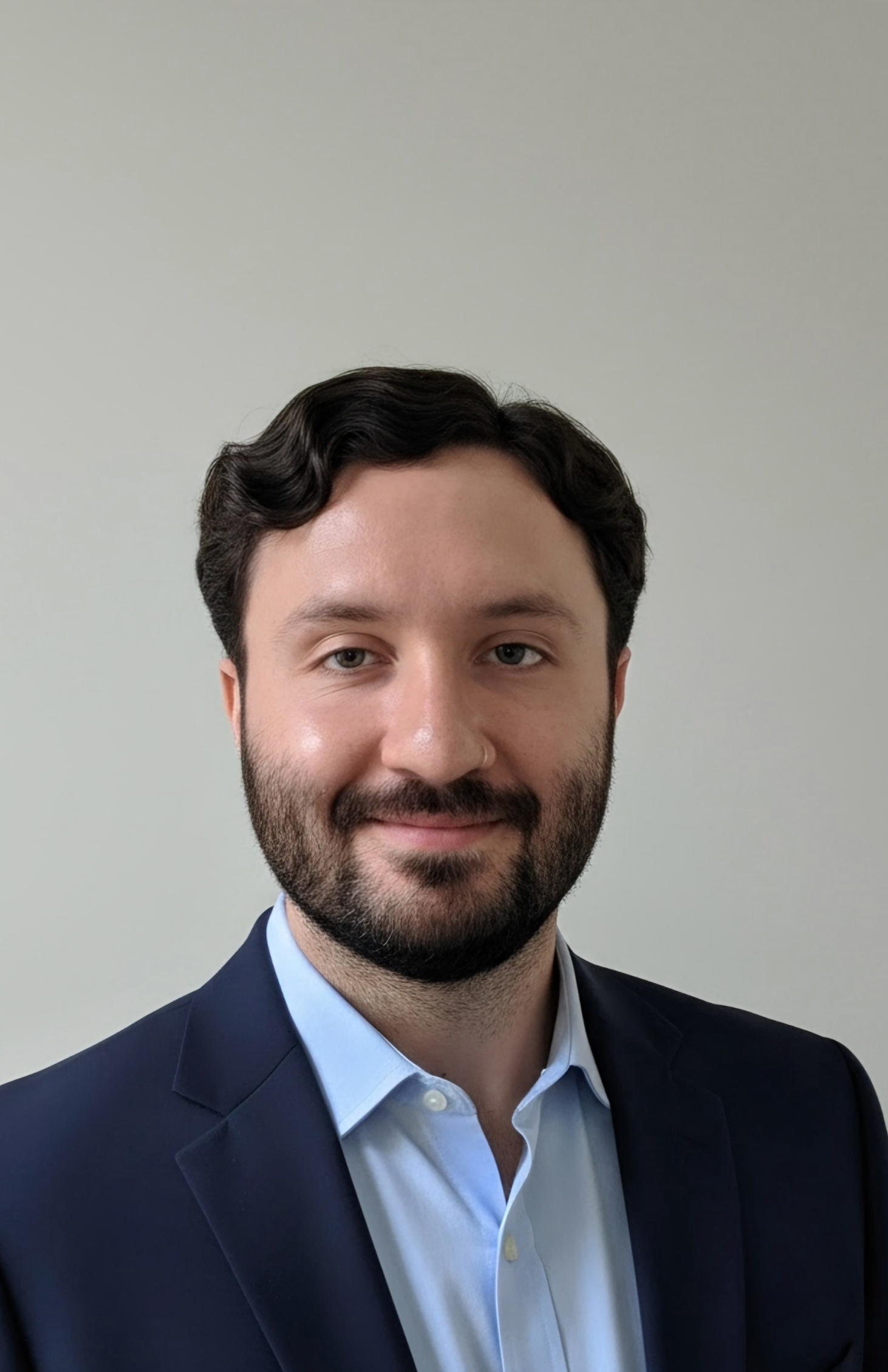
Mike Ingrassia, MS, LPC, is a licensed clinical therapist and founder of Ingrassia Consulting Group. He earned his Master of Science degree from the Philadelphia College of Osteopathic Medicine and has extensive experience working with children, adolescents, couples, and public-facing individuals in high-pressure and emotionally demanding circumstances. His clinical work has informed a systems-oriented understanding of how people function within relationships, families, professional environments, and broader social systems.
Through Ingrassia Consulting Group, Mike provides psychological safety and risk advisory services for film, television, and creative environments. His work focuses on psychological sustainability, communication, human factors, role and material demands, and preventative risk awareness within demanding production ecosystems.
Website: ingrassiaconsultinggroup.com
01: The Journey Behind the Work
1. Your work now brings together mental-health practice, psychological-safety consulting, the creative industries, and entrepreneurship. How did these different parts of your career come together?
Mike Ingrassia: In some ways, these different parts of my career have been connected from the beginning, even though I didn’t necessarily recognize the connection at the time. While attending school full-time, I worked in special education and behavioral support. My original goal was to become a school psychologist, but as I gained experience working directly with individuals, I realized that I was drawn to a more hands-on and interactive role. I wanted to work directly with people, understand their experiences, and participate more actively in helping them navigate challenges. That ultimately led me toward clinical practice. The creative side of my career has been present for just as long. I’m a creative writer, so I’ve always been interested in storytelling, character, emotion, and the ways people make meaning of their experiences. My interest in film and television also has a very personal origin. I grew up in a vibrant neighborhood in Brooklyn, New York, where film and television production was something I experienced firsthand rather than simply watched from a distance. Productions were part of the landscape of my childhood. The Sopranos was filmed at my school, I Now Pronounce You Chuck and Larry was filmed on my block, and the opening sequence for Welcome Back, Kotter was also filmed in my neighborhood. Years later, John Wick: Chapter 3 – Parabellum was filming there as well, and I actually managed to accidentally walk onto the set. That experience was a funny reminder of just how active production could be in the neighborhood I grew up in. I wasn’t simply seeing finished movies and television shows—I was watching streets, buildings, and familiar spaces transform around me to become part of fictional worlds. As a child, I could see the practical side of that transformation: crews arriving, equipment moving in, streets changing, and ordinary places suddenly taking on a completely different purpose. It gave me an early appreciation for how much coordination, creativity, and human effort exists behind what audiences eventually see on screen. That also shaped how I think about production today. Filmmaking doesn’t happen in isolation. It changes environments, creates temporary communities, and brings together people with very different roles and responsibilities in pursuit of a shared creative goal. Over time, those interests began coming together. My clinical background gave me an understanding of people and behavior. My experience in special education taught me to think about the relationship between individuals and their environments. Writing gave me an appreciation for narrative and creative expression. And growing up around film production gave me a curiosity about what happens behind the scenes to make those creative worlds possible. Ingrassia Consulting Group grew out of that combination. Today, my focus is on exploring how psychological insight can complement creative and production environments—particularly when the material is emotionally demanding, the schedule is intense, or the people involved are being asked to sustain a high level of creative and emotional engagement over time. For me, it’s ultimately about the relationship between people, environments, and stories. Those three themes have been present throughout my career, even as the way I’ve worked with them has continued to evolve.
2. Looking back at your earlier work in special education and behavioral support, what did those experiences teach you about the connection between people and the environments around them?
Mike Ingrassia: One of the earliest lessons I learned in special education and behavioral support was that behavior rarely exists in isolation. What we see from an individual is often influenced by what is happening around them—the expectations being placed on them, the way information is communicated, the structure of the environment, the people involved, and whether they have the tools or support they need to respond successfully. Working directly with individuals taught me to become curious before becoming judgmental. Instead of asking only, “Why is this person behaving this way?” I learned to ask, “What is happening around this person that might be contributing to what I’m seeing?” That shift in perspective became very important to me. It also taught me that an environment can either create opportunities for someone to succeed or unintentionally make success much more difficult. Sometimes a change in communication, structure, expectations, or support can produce a very different outcome without changing the individual at all. I think that lesson has followed me throughout my career. In clinical work, it has helped me understand people within the context of their relationships and circumstances. In leadership and consulting, it has encouraged me to look beyond the individual and consider the systems they are operating within. That becomes particularly relevant in creative environments. When someone is struggling on a production, for example, it can be tempting to focus immediately on the individual. But sometimes the more useful questions are about the surrounding conditions: What expectations have been communicated? How is information moving? Is the schedule sustainable? Are people able to raise concerns? Are different departments operating with the same understanding of what is expected? None of this removes individual responsibility. People still make choices and are accountable for their behavior. But understanding the environment gives us a more complete picture of why certain patterns emerge and, importantly, what might be changed. That perspective has stayed with me: if we want to understand people, we also have to understand the environments in which they are being asked to function.
3. Was there a particular experience that made you realize that supporting individuals is sometimes not enough—that the environment itself also needs to change?
Mike Ingrassia: I don’t think there was one single experience that changed my thinking. It was something that became increasingly clear throughout different stages of my career. In clinical practice, particularly when working with children and adolescents, it became very apparent that you can’t always understand what is happening with an individual without also understanding the environment around them. Sometimes that means looking closely at the family system, the home environment, school, relationships, or other circumstances that may be contributing to what the person is experiencing. The same is true when working with couples. Focusing exclusively on one person doesn’t always make sense when the relationship itself is part of what needs to be understood. That perspective became even more apparent when I began working therapeutically with several individuals whose lives involved a high degree of public visibility. Without getting into anyone’s identity or confidential details, some of the concerns they brought into therapy were connected not simply to something happening internally, but to the systems they had to navigate every day—the expectations of the public, professional environments, constant scrutiny, and the pressures that can accompany being highly visible. Those experiences made me increasingly curious about what happens when the environment itself becomes part of the problem. If someone is struggling because of the conditions in which they are working or living, helping them develop coping strategies is important, but it may not be the whole answer. At some point, we also have to ask whether there is something about the surrounding system that can be understood, communicated, or changed. That realization influenced the direction of my consulting work. I didn’t want to move away from supporting individuals; I wanted to expand the lens through which I was looking at psychological wellbeing. With Ingrassia Consulting Group, that means examining the systems in which people are being asked to function—particularly in creative and production environments. What are the demands? How are they communicated? What does the environment look like? How does the schedule affect people? What happens when emotionally demanding material is repeated over time? And where might small changes in the system make it easier for people to remain functional and engaged? That is ultimately what led me toward preventative consultation. Rather than waiting for someone to reach a point where they need help recovering from an environment, I became interested in asking whether we can understand that environment earlier and make thoughtful adjustments where appropriate. The individual still matters enormously. But sometimes, if we only look at the individual, we miss the larger story.
4. How has your experience as a therapist influenced the way you approach leadership, consulting, and creative workplaces?
Mike Ingrassia: Being a therapist has taught me to listen carefully before I assume I understand what is happening. People don’t always communicate what they are experiencing directly. Sometimes the most meaningful information is found in what someone hesitates to say, how they describe a situation, what they leave out, or the difference between what they believe is happening and what someone else is experiencing. That has influenced how I approach consulting and leadership. I try to enter a situation with curiosity rather than assuming I already know the answer. Before offering guidance, I want to understand the people involved, the circumstances surrounding them, and the different perspectives that may exist. Clinical practice has also taught me that people can experience the same environment very differently. A communication style that motivates one person may overwhelm another. A demanding creative process may energize one person while becoming unsustainable for someone else. Those differences aren’t necessarily evidence that one person is right and another is wrong. They are information worth understanding. That perspective is particularly valuable in creative workplaces, where strong personalities, high expectations, disagreement, vulnerability, and intense collaboration can all be part of the process. My clinical experience has also given me a strong appreciation for professional boundaries. One of the things I am particularly intentional about in consulting is recognizing the difference between psychological insight and clinical treatment. I’m not there to diagnose people, provide therapy, or determine who is psychologically healthy. My role is to bring psychological knowledge into a production or creative environment in a way that can help people make more informed decisions. I think that distinction is important because psychological expertise doesn’t have to mean clinical intervention. Sometimes its value is simply helping people recognize human factors that might otherwise be overlooked. Ultimately, being a therapist has taught me to pay attention to the person in front of me while also remaining aware of everything surrounding that person. That combination of listening, curiosity, perspective-taking, and boundaries has become central to how I approach consulting. It has also taught me that difficult conversations aren’t necessarily a sign that something has gone wrong. Sometimes they are exactly where meaningful understanding begins.
02: What Psychological Safety Really Means
5. Psychological safety has become a popular phrase. In simple terms, what does it actually mean to you?
Mike Ingrassia: To me, psychological safety means having enough trust within an environment to be able to participate honestly. That can mean asking a question without feeling embarrassed, acknowledging that you don’t know something, disagreeing with a decision, raising a concern, admitting a mistake, or telling someone that something isn’t working. I don’t think psychological safety means that everyone has to agree with one another or that people should be protected from discomfort. In fact, healthy environments should allow for disagreement, criticism, accountability, and high expectations. The important distinction is what happens when those things occur. Can someone disagree with a director without fearing that they will be punished for speaking up? Can a crew member raise a concern without being labeled difficult? Can a performer say that something isn’t working for them without feeling that their professionalism is being questioned? Can a leader receive difficult feedback without becoming defensive? Those moments tell us a great deal about the psychological safety of an environment. I also think psychological safety is often misunderstood as something that exists primarily within an individual. I see it more as a quality of the environment and the relationships within it. An individual can have excellent communication skills and strong emotional resilience, but that doesn’t necessarily mean they can speak freely in an environment where doing so consistently carries consequences. For me, psychological safety is ultimately about creating enough trust that people can be honest, engaged, and accountable without having to spend their energy constantly calculating whether speaking honestly will come back to hurt them. That doesn’t make an environment soft. It can actually make an environment stronger, because people are more likely to identify problems early, contribute ideas, challenge assumptions, and take responsibility when they know they can participate honestly.
6. Does a psychologically safe workplace have to be comfortable, or can people still experience pressure, disagreement, criticism, and high expectations?
Mike Ingrassia: A psychologically safe workplace does not have to be comfortable. Some degree of discomfort is necessary for meaningful growth, creativity, and accountability. People should be challenged. They should receive constructive criticism. They should be expected to meet deadlines, perform at a high level, and take responsibility when something goes wrong. What matters is how that pressure is applied and what happens when someone responds to it. A director can have a strong creative vision and still invite disagreement. A producer can hold someone accountable for a missed deadline without humiliating them. A department head can tell someone that their work needs improvement while still making it possible for that person to ask questions or seek clarification. Those distinctions can have a significant effect on how people function within a team. I also think there is an important difference between being uncomfortable because you are being challenged and being uncomfortable because you feel unable to speak honestly. Those experiences can look similar from the outside, but they lead to very different outcomes. Creative work requires a certain tolerance for uncertainty and vulnerability. Writers, performers, directors, and crew members regularly put ideas, decisions, and work in front of other people for evaluation. Some of that process will naturally feel uncomfortable. That discomfort can even be productive. The aim is to create an environment where people can experience pressure, disagreement, and high expectations while still being able to communicate, think clearly, contribute, and learn from mistakes. When people know they can have difficult conversations without being diminished for having them, accountability becomes easier to sustain. Strong standards and psychological safety can coexist, and in a creative environment, they may actually strengthen one another.
7. What are some early signs that a team is becoming psychologically unsafe, even before a serious problem becomes visible?
Mike Ingrassia: One of the earliest signs is often a change in communication. People may become quieter in meetings. Questions that would normally be asked begin going unasked. Team members start agreeing publicly while expressing concerns privately. Someone who was previously engaged may become noticeably withdrawn, or people may begin avoiding particular conversations because they don’t believe anything will change. I also pay attention to how mistakes are handled. Every production, organization, and creative team will make mistakes. The more revealing question is whether people feel able to acknowledge them. When individuals begin hiding mistakes, shifting blame, withholding information, or waiting until a problem becomes unavoidable before raising it, the environment may already be experiencing a loss of trust. Another sign can be a growing gap between what leadership believes is happening and what people throughout the organization are actually experiencing. Leaders may hear that everything is fine while concerns are circulating informally among the people doing the day-to-day work. In production environments, this can be particularly difficult to identify because the pace is often so fast. People are focused on solving the immediate problem in front of them, and there may not be much time to step back and ask how the team is functioning as a whole. I also look at patterns rather than isolated incidents. One quiet meeting doesn’t necessarily tell you much. A consistent pattern of people withholding concerns, avoiding certain individuals, becoming unusually defensive, or disengaging from communication tells you much more. Sometimes the earliest warning sign is simply that people stop telling you things. When that happens, I think the appropriate response is curiosity rather than immediate judgment. What has changed? What are people experiencing? Where has communication become more difficult? What might be preventing people from speaking openly? The earlier those questions are asked, the more options a team usually has for addressing the situation before it develops into something more serious.
8. How much of psychological safety comes from formal policies, and how much comes from everyday things such as communication, trust, listening, and leadership behavior?
Mike Ingrassia: Formal policies provide an important foundation. They establish expectations, clarify responsibilities, create reporting mechanisms, and give people a framework for understanding how an organization intends to handle difficult situations. But policies only become meaningful through the way people experience them. A production can have excellent policies on paper and still have an environment where people are reluctant to speak up. Likewise, a smaller organization without an extensive formal structure can sometimes create a remarkably supportive environment through consistent communication, responsive leadership, and clear expectations. The everyday interactions tend to reveal whether the formal structure is actually working. If someone raises a concern, what happens next? If a mistake is reported, how does leadership respond? When someone disagrees with a decision, are they listened to? If a person says they are struggling with a particular demand, is that information taken seriously? Those moments build or erode trust over time. This is particularly important in film and television because productions are often temporary organizations. People may come together for a project, work under significant pressure for months, and then move on to something else. There may not be years to develop organizational culture in the traditional sense. That makes communication and leadership behavior especially important. People need to understand where they can go with a concern, who is responsible for addressing it, and whether raising an issue will actually lead to a thoughtful response. I see policies and everyday behavior as complementary. A strong policy provides structure and accountability, while consistent behavior gives that structure credibility. Ultimately, psychological safety is experienced at the human level. People remember how they were treated when they asked a difficult question, acknowledged a mistake, challenged a decision, or needed help. Those experiences often tell us more about an organization’s culture than any policy document can.
03: Inside Film & Television
9. What makes film and television production psychologically different from many other workplaces?
Mike Ingrassia: Film and television production brings together a combination of factors that can make the psychological demands of the workplace unusually complex. For one thing, productions are often temporary. People from different departments, companies, locations, and professional backgrounds may come together for a single project, establish working relationships very quickly, and then move on when the production ends. That doesn’t leave much time for teams to slowly develop trust, communication patterns, and shared expectations. The pace can also be extraordinary. Decisions that might take days or weeks in another workplace can sometimes need to happen within minutes. Schedules change, locations shift, creative decisions evolve, and hundreds of people may need to adjust simultaneously. That level of coordination can create significant pressure even when everyone is working toward the same goal. There is also a unique relationship between the work and the people doing it. Performers may be asked to repeatedly access emotions, experiences, identities, or physical states that are very different from their everyday lives. Writers and directors may spend extended periods immersed in difficult subject matter. Crew members can be exposed to the same material repeatedly while simultaneously managing the practical demands of production. Hierarchy adds another layer. Film sets have clearly defined chains of responsibility, and that structure is necessary for a production to function. At the same time, hierarchy can affect who feels comfortable questioning a decision, raising a concern, or acknowledging that something isn’t working. Finally, there is the visibility of the finished product. A production may represent months or years of creative effort, significant financial investment, and the professional reputations of many people. That can create an understandable sense of pressure to keep moving, even when circumstances become challenging. What makes production particularly interesting from a psychological perspective is that these factors rarely occur independently. They can influence one another as a project develops. A demanding schedule can affect communication. Communication problems can affect relationships. Emotionally demanding material can make fatigue more consequential. Hierarchy can influence whether someone feels comfortable bringing any of those concerns forward. That complexity is part of what makes production such a fascinating environment to study and support. It is a workplace, but it is also a highly collaborative creative process taking place under significant time, financial, interpersonal, and artistic pressures.
10. Long hours, tight deadlines, creative disagreements, hierarchy, uncertainty, and emotionally demanding material can all be part of production. Which pressures deserve the most attention?
Mike Ingrassia: I think the most important thing to pay attention to is how pressures accumulate. A long day may be part of the normal rhythm of a production. A tight deadline may be necessary. A difficult scene may be an essential part of the story. Creative disagreement can even lead to better work. The concern can emerge when several of those demands occur repeatedly, particularly when people have limited opportunity to recover between them. That accumulation can look different depending on the production and the individual. For a performer, repeated emotional material combined with a demanding schedule may create a very different experience than it does for someone working in a technical department. A crew member may be less affected by the content of a scene but significantly affected by long hours, environmental conditions, or the pace of the schedule. I also think repetition deserves particular attention. Production naturally involves doing things multiple times. A difficult emotional scene may be performed again and again. A complicated sequence may require numerous resets. The audience experiences the finished product once, while the people making it may experience the same material dozens of times. Duration matters as well. Something that feels sustainable for a week may feel very different when it continues for several months. That is why I hesitate to identify one pressure as universally more important than another. Context matters. The material, schedule, environment, role, individual circumstances, and communication structure all contribute to the overall experience. For me, the useful question is: What demands are present, how often are they occurring, how long are they continuing, and what opportunities exist for people to recover and communicate along the way? Once you begin looking at those factors together, you can identify areas that may deserve attention before they become larger production problems. That is where I think preventative thinking becomes particularly valuable. We don’t have to wait for exhaustion, conflict, or disengagement to become obvious before asking whether the conditions of a production are sustainable.
11. Do you think the entertainment industry sometimes romanticizes stress, difficult personalities, or suffering as part of making great art?
Mike Ingrassia: Yes, I think that happens. There is a long-standing cultural idea that extraordinary creative work requires extraordinary suffering. The difficult director, the demanding actor, the obsessive writer, the production that pushes everyone to their limits—these stories can become part of an industry’s mythology. Sometimes those stories are even presented as evidence of commitment. If someone is working eighteen-hour days, refusing to compromise, or pushing themselves beyond reasonable limits, it can be interpreted as proof that they care deeply about the work. There can certainly be value in dedication, persistence, and a willingness to work through difficult creative problems. Film and television are demanding forms of collaboration, and some projects require an enormous amount of effort. The concern arises when suffering itself becomes confused with excellence. A difficult personality may occasionally produce extraordinary work, but that doesn’t mean the difficult behavior caused the quality of that work. Similarly, a production can survive an unsustainable schedule, but survival doesn’t necessarily demonstrate that the schedule was necessary. I think the industry is increasingly capable of holding two ideas at the same time: creative work can be demanding, and the people making it still deserve thoughtful working conditions. This is especially important because the mythology surrounding creative suffering can influence younger professionals. If people enter the industry believing that exhaustion, intimidation, or instability are simply the price of admission, they may be less likely to recognize when something has moved beyond ordinary creative pressure. There is also a practical consideration. People are more than the work they produce. When a culture consistently rewards people for sacrificing sleep, relationships, health, or basic stability in the name of creativity, eventually those costs can affect the very creativity the environment is trying to protect. I don’t think the answer is to make creative work less ambitious or to eliminate demanding personalities from the industry. Creative people are human beings, and human beings are complicated. I think the healthier goal is to stop treating suffering as a credential. Great work can come from discipline, passion, disagreement, experimentation, persistence, and even tremendous pressure. None of those things require us to believe that people have to suffer in order to create something meaningful.
12. Where do you think the healthy boundary lies between creative intensity and an environment that has become psychologically harmful?
Mike Ingrassia: I think the boundary becomes clearer when we look at what the demands of the work are doing to the people who are carrying them. Creative intensity can involve pressure, vulnerability, disagreement, uncertainty, long hours, and emotionally difficult material. Those experiences aren’t inherently harmful. In some cases, they are simply part of doing ambitious work. The concern begins when the demands of the work consistently undermine a person’s ability to function within the production or when the environment begins creating patterns of fear, isolation, humiliation, or disengagement. I pay particular attention to whether people still have meaningful ways to communicate what they are experiencing. Can they ask for clarification? Can they raise a concern? Can they recover after a difficult day? Can they disagree without worrying about retaliation? Can they step away from emotionally demanding material and return to themselves afterward? The answers don’t have to be perfect. No production is going to function without stress or difficult moments. What matters is whether there is enough flexibility, communication, and support to keep those moments from becoming a persistent pattern. Another consideration is whether the demands are connected to the creative objective. There is a meaningful difference between asking a performer to engage deeply with difficult material because the story requires it and creating unnecessary distress that has no clear creative or operational purpose. I also think the boundary can be different for different people. Age, experience, role, personal history, workload, and other circumstances can influence how someone responds to the same conditions. That doesn’t mean every individual preference should determine how a production operates, but it does mean that thoughtful leadership needs to remain attentive to the people involved. Ultimately, I look for sustainability. If people can engage deeply with challenging work, experience pressure, have difficult conversations, and still return the next day able to communicate and participate, there is probably a healthy degree of resilience within the system. When people begin losing that capacity over and over again, that’s when I think leadership should pause and take a closer look at what the environment is asking of them.
13. How can a director, producer, or department leader maintain strong creative authority while still making people feel safe enough to speak honestly?
Mike Ingrassia: Strong creative leadership and openness to feedback can work very well together. In my experience, one of the most important things a leader can establish is clarity. People are more likely to speak honestly when they understand who is making the final decision, what kind of input is being requested, and when a decision has already been made. A director can say, “I want to hear your concerns before we make this decision,” and then ultimately choose a different direction. That doesn’t necessarily undermine the person who offered the feedback. In fact, the experience of being genuinely heard can make it easier for that person to contribute again in the future. Leaders can also distinguish between listening and surrendering authority. Asking for someone’s perspective doesn’t mean that person gets the final say. It means the leader is willing to gather information before making a decision. That can be especially valuable on a production because people working in different departments often see things that leadership cannot see from its position. A department head may notice an operational problem that isn’t visible to the director. A performer may recognize that something about a scene isn’t working in practice. A crew member may notice a developing issue before it reaches a level where it affects the entire production. Good leaders create channels for that information to reach them. Tone matters, too. A leader doesn’t have to be endlessly accommodating or avoid difficult feedback. They can be direct, demanding, and decisive while still communicating respect. People generally understand that not every suggestion will be adopted. What tends to matter more is whether they believe their contribution was considered seriously. I also think leaders should occasionally acknowledge when someone else’s perspective changed their thinking. That small act can have a surprisingly significant effect. It communicates that speaking up can actually influence the work. Ultimately, creative authority comes from the leader’s responsibility to make decisions. Psychological safety comes from knowing that participating honestly in that process is welcome. The strongest leaders I’ve encountered understand that listening doesn’t diminish authority. It gives them more information with which to use it.
04: Leadership & Human Behavior
14. What does psychologically safe leadership look like when a production is under real pressure?
Mike Ingrassia: I think psychologically safe leadership becomes most visible when things aren’t going according to plan. When a production is under pressure, people are watching leadership closely. They are paying attention to how decisions are communicated, how mistakes are handled, how disagreements are addressed, and whether leadership becomes more reactive as the pressure increases. A strong leader can acknowledge the seriousness of a situation without transferring that anxiety indiscriminately to everyone around them. They can communicate that a situation is difficult and still give people enough clarity to understand what needs to happen next. Communication becomes particularly important in those moments. People don’t necessarily need every detail, but they do need to know what is happening, what is expected of them, and where they can go if they encounter a problem. Uncertainty tends to become more difficult when people are left to fill in the gaps themselves. I also think psychologically safe leadership involves being willing to hear information that is inconvenient. Under pressure, there can be a natural tendency to focus exclusively on keeping the production moving. A leader may not want to hear that a schedule is becoming difficult, that a communication problem is developing, or that someone is struggling with a particular demand because there may not seem to be an easy solution. But those are precisely the moments when that information becomes valuable. Leadership also sets the emotional tone of a production. That doesn’t mean a leader needs to remain calm every second or suppress frustration. Leaders are human. It means recognizing that their reactions carry weight, particularly in hierarchical environments. A moment of frustration from someone with little authority may affect a few people; the same reaction from someone at the top can travel through an entire organization. Finally, I think good leadership under pressure requires knowing when to pause. Sometimes taking a few minutes to gather the right information and make sure everyone understands the plan can prevent much larger problems later. Production will always involve pressure. Psychologically safe leadership gives people a sense that even when circumstances become difficult, there is still someone paying attention to both the work and the people doing it.
15. If a leader believes they are simply demanding excellence, but their team experiences their behavior as intimidating, how should that gap be addressed?
Mike Ingrassia: I think the first step is recognizing that intent and impact can be two different things. A leader may genuinely believe they are pushing people toward a higher standard, while the people around them may experience the same behavior as intimidating, unpredictable, or discouraging. Neither perspective should automatically be dismissed. The more useful question is what is happening between the two. That requires a leader to be willing to hear how their behavior is being experienced without immediately interpreting the feedback as an attack on their authority or competence. There is a significant difference between hearing, “You are a bad leader,” and hearing, “When this happens, people become reluctant to speak up.” The second gives the leader something they can actually work with. It also helps to look for patterns. If multiple people independently describe similar experiences, that information deserves attention, even if the leader’s intentions have consistently been positive. At the same time, I don’t think the answer is for leaders to become less demanding or to remove their personality from the workplace. Excellence often requires directness, urgency, and high standards. The goal is to understand whether the way those expectations are communicated is helping people perform or causing them to spend energy managing their fear of the leader. Sometimes a relatively small change in communication can make a significant difference. A leader can be very clear about what needs to improve while still making it possible for someone to ask questions, disagree, or try again after making a mistake. Leadership requires more than knowing what you intend to communicate. It requires enough self-awareness to understand what people are actually receiving. When a leader can examine that gap honestly and adjust without abandoning their standards, they aren’t weakening their authority. They are demonstrating the kind of accountability they expect from everyone else.
16. How can leaders encourage people to speak up without creating unnecessary bureaucracy or slowing down creative decision-making?
Mike Ingrassia: I think it starts with making it easy for people to speak up. They should know who they can go to, when their input is wanted, and what will happen when they bring something forward. That doesn’t necessarily require another meeting, another form, or another layer of process. Sometimes it can be as simple as a leader asking, “What am I missing?” or giving people a chance to raise a concern before a decision is finalized. It’s also important to remember that listening to someone doesn’t mean you have to act on everything they say. People can offer an observation, a concern, or a different perspective, and the person responsible for the decision can still decide to move in another direction. What matters is that the person feels heard and understands why the decision was made. That can actually make things more efficient because people aren’t left wondering whether anyone ever received or considered what they said. In production, I think the approach also has to match the situation. A serious safety or wellbeing concern may need a clear escalation process, while a disagreement about a creative choice may only need a conversation between the people involved. We don’t need to turn every issue into a formal procedure. We need people to know that there is a place for their voice when it matters. When leaders consistently show that they are interested in hearing useful information rather than simply hearing agreement, speaking up becomes a natural part of the creative process. And when that happens, it can actually help a production move faster because problems are more likely to surface while there is still time to do something about them.
17. In a highly hierarchical industry, what practical ways can give junior crew members a meaningful voice?
Mike Ingrassia: I think one of the biggest things is making sure junior crew members know who they can actually talk to. On a large production, there can be so many layers between a newer crew member and the people making major decisions that speaking up can feel unrealistic, even when nobody has explicitly told them to stay quiet. Giving people clear points of contact and making those relationships approachable can make a real difference. I also think leaders need to pay attention to what happens after someone speaks up. If a junior crew member raises a concern and nothing ever seems to happen, they may decide pretty quickly that there isn’t much value in doing it again. Even when the answer is “We’re going to continue as planned,” taking the time to acknowledge the concern and explain the decision can help build trust. It shows that their role in the production doesn’t prevent their perspective from being valuable. There are also informal opportunities that can be very effective. A department head checking in with newer members of the team, a producer making themselves available for questions, or a leader simply asking someone what they are seeing from their position can open up communication without creating another formal system. Junior crew members are often closest to the day-to-day work, and they may notice things that people higher up the chain simply don’t see. Giving them a genuine opportunity to share those observations benefits everyone. In a hierarchical environment, people don’t necessarily need equal authority to have a meaningful voice. They need to know that someone will listen when they use it.
18. What should organizations do when a highly talented person brings exceptional creative value but repeatedly harms the psychological safety of the team?
Mike Ingrassia: I think organizations have to be willing to hold both things as true: someone can be exceptionally talented and still be creating a serious problem for the people around them. Creative ability shouldn’t automatically excuse behavior that repeatedly damages a team. The first step is to understand what is actually happening. Is this an isolated incident, a personality difference, or a consistent pattern? What are people experiencing? Has the individual been given clear feedback about the impact of their behavior? Sometimes a person genuinely doesn’t realize how they are being perceived, and a direct conversation can change the dynamic. Other times, the behavior has been addressed repeatedly and continues. If the pattern continues, leadership has to make decisions based on the health of the entire production rather than the perceived irreplaceability of one person. That doesn’t necessarily mean removing someone immediately. It could mean setting clearer expectations, establishing boundaries around certain behavior, changing how that person interacts with the team, or putting additional leadership support around the situation. But there does need to be a point where repeated harmful behavior has consequences. I think this is especially important in creative industries because talent can become intertwined with reputation and mythology. We can start telling ourselves that someone’s behavior is simply part of their genius or that the quality of their work makes the surrounding difficulties worth tolerating. That can put everyone else in a difficult position and can teach less experienced people that exceptional talent comes with permission to treat others poorly. Ultimately, organizations have a responsibility to protect the larger team while still giving talented people an opportunity to respond to feedback and change. Talent should be developed and valued, but it shouldn’t place someone outside the expectations that apply to everyone else.
05: The P.R.E.P. Framework
19. You developed the P.R.E.P. Framework around psychological sustainability in emotionally demanding film and television environments. What problem were you trying to solve when you began developing it?
Mike Ingrassia: The idea for P.R.E.P. developed gradually through my clinical and consulting work. I kept encountering situations where the person sitting in front of me was doing their best to manage something that was being influenced by much larger systems around them. Sometimes it was a family system, sometimes a relationship, and sometimes a professional environment. Over time, I became increasingly interested in what we might be able to do if we looked at those systems earlier, rather than waiting until the individual was already struggling. That became particularly clear as I began working with people across the film and television industry. I was hearing different perspectives from actors, producers, directors, and others involved in the production process. Their roles were very different, but there were recurring themes in the challenges they described: demanding schedules, emotionally intense material, communication difficulties, creative pressures, and the expectation that everyone simply keep moving. What struck me was that these weren’t always individual problems. The environment itself could play a meaningful role in what people were experiencing. That was the moment I realized something needed to be done about the environment, not just the individual. I started thinking about how my clinical understanding of people, behavior, and systems could be applied in a way that was useful to production without turning production challenges into clinical problems. There was a need for something preventative that could sit alongside the structures productions already had in place and help identify potential areas of strain before they became larger concerns. The question that kept coming back to me was fairly simple: Can we identify psychological pressures early enough that we have an opportunity to do something about them? P.R.E.P. grew out of that question. It became a way of organizing the things I was already observing and asking how productions could think more intentionally about the environments they create, the demands they place on people, how those demands are communicated, and what can help sustain people throughout the process. For me, the framework represents a shift in perspective. Instead of asking only, “What is happening with this person?” we can also ask, “What is happening around this person, and is there something within the environment that we can address?”
20. What does P.R.E.P. stand for, and what are the main ideas behind each part of the framework?
Mike Ingrassia: P.R.E.P. stands for Production Environment, Role & Material Demands, Ecosystem & Communication, and Protection & Sustainability. I developed those four areas because they represent different parts of the production experience that can influence how people function over time. Production Environment looks at the conditions in which the work is taking place, including scheduling, pace, location, recovery time, and other environmental factors. Role & Material Demands considers what people are actually being asked to engage with, whether that involves emotionally intense performances, repeated exposure to difficult material, or other demands specific to a role. Ecosystem & Communication looks at the relationships and communication structures surrounding the work: leadership, expectations, information-sharing, feedback, and how concerns move through the production. Finally, Protection & Sustainability focuses on what helps people continue doing demanding work over time, including recovery, pacing, safeguards, and other forms of support. The important part for me is that these areas aren’t meant to be viewed separately. A difficult scene may not be particularly concerning on its own, for example, but repeated emotional exposure combined with a demanding schedule and limited recovery can create a very different experience. Likewise, a production may have strong protections in place, but if people don’t know how to communicate a concern or don’t feel comfortable doing so, those protections may not function as effectively as intended. P.R.E.P. is essentially a way of looking at the whole picture. It gives productions a common language for considering the human demands of the work alongside the creative and operational demands. The goal is to help identify areas that may deserve attention early enough that thoughtful adjustments can be made while the production is still moving forward.
21. How is psychological sustainability different from simply responding to mental-health problems after they appear?
Mike Ingrassia: Psychological sustainability asks us to think about what people are experiencing before those experiences develop into a mental health crisis or significantly interfere with their ability to function. Mental health support is incredibly important when someone is struggling, but by the time a problem becomes visible, there may already be a history of accumulated stress, difficult circumstances, or unmet needs behind it. Sustainability gives us an opportunity to pay attention to those conditions earlier. In a production environment, that means looking at the circumstances surrounding the work rather than focusing exclusively on whether an individual is experiencing a diagnosable condition. A demanding schedule, repeated exposure to emotionally difficult material, poor communication, or limited recovery may not constitute a mental health problem on their own, but they can still affect how someone functions over time. Those factors are worth considering even when everyone appears to be doing well. I also think this distinction helps protect the boundaries between clinical care and production consultation. My role isn’t to diagnose people or provide therapy through a production. It’s to help identify patterns and conditions that may have psychological implications and to consider whether there are practical ways to support the people involved. Sometimes that may mean adjusting communication, considering pacing or recovery, clarifying expectations, or recognizing that someone may need a different type of professional support. Ultimately, psychological sustainability is about creating conditions that allow people to continue functioning well while doing demanding work. It doesn’t eliminate the possibility that someone will struggle, and it certainly doesn’t replace appropriate mental health care. It simply gives us another opportunity to ask an important question earlier: What can we recognize or address now that might make it less likely that people reach a point of significant difficulty later?
22. When should psychological-safety planning begin—before a production starts, during pre-production, on set, or only when a problem appears?
Mike Ingrassia: Ideally, it begins before production starts. By the time a production is on set, many of the major decisions about scheduling, casting, material, locations, staffing, and workflow have already been made. If we wait until someone is struggling, our options can become much more limited. Early consideration gives a production the opportunity to identify potential pressure points while there is still flexibility to make thoughtful decisions. That doesn’t mean everything needs to be predetermined. In fact, I think psychological-safety planning should remain responsive throughout the life of a production. Circumstances change. A schedule may shift, material may evolve, a scene may become more demanding than anticipated, or the dynamics within a team may change. Something that looked straightforward during pre-production can feel very different once the work is actually underway. That’s why I think of it as an ongoing process rather than a single intervention. Pre-production provides an opportunity to anticipate and plan. On-set awareness allows a production to recognize what is actually happening in real time. If concerns emerge, there should already be enough communication and structure in place to respond appropriately rather than starting from scratch. The earlier we begin asking these questions, the more options we have. And importantly, planning ahead doesn’t mean assuming something will go wrong. It means recognizing that emotionally demanding work is inherently dynamic and giving the production a better chance of responding well when circumstances change.
23. If you were advising a production company preparing for an especially demanding project, what would a good P.R.E.P. process look like from planning through production and wrap?
Mike Ingrassia: I would begin by understanding the project itself. I would want to know what the production is asking of the people involved, where the emotionally demanding material is, what the schedule looks like, who the particularly vulnerable populations might be, and what existing safety, legal, and support structures are already in place. From there, I would look at the four areas of the P.R.E.P. Framework and identify where there may be points of increased psychological or operational pressure. During pre-production, that information can guide conversations about scheduling, pacing, communication, recovery, role demands, and appropriate safeguards. I would also want the relevant people to understand their responsibilities and know how concerns can be communicated or escalated before shooting begins. Having those conversations early gives everyone a clearer picture of what the production may require and where additional attention could be useful. Once production begins, the focus shifts toward observation and responsiveness. Are the conditions we anticipated actually what people are experiencing? Has the schedule changed? Is the material proving more demanding than expected? Are communication channels working? Sometimes the most important information only becomes visible once a production is underway. A good P.R.E.P. process needs enough flexibility to respond to what is actually happening rather than simply following a document created weeks earlier. At wrap, I think there is value in looking back at what was learned. What worked well? Where did pressure build? Were there points where communication could have been stronger? Were the safeguards effective? That information can become useful for future productions. For me, P.R.E.P. is an ongoing way of thinking that begins before production, remains responsive while the work is happening, and leaves the organization with greater awareness when the project is finished.
24. How can a production company tell whether its psychological-safety efforts are actually working?
Mike Ingrassia: I think the first thing to look for is whether people are communicating differently. Are concerns being raised earlier? Do people know where to go when something isn’t working? Are leaders hearing information they might not have heard before? Those changes can tell you quite a bit. A production doesn’t have to be free of conflict or difficult situations to be psychologically healthy. In fact, people speaking up about problems can be a sign that the communication system is working. I would also look at what happens after someone raises a concern. Are concerns acknowledged? Are appropriate people responding? Does the person understand what happened with the information they provided? You can learn a lot from those moments because psychological safety is influenced not only by whether someone is allowed to speak, but by what they experience afterward. There are also more practical indicators that can be considered over the course of a production, including patterns of fatigue, repeated communication breakdowns, interpersonal conflict, turnover, schedule strain, and the ability of teams to recover after particularly demanding periods. None of these factors can tell you on their own whether a production is psychologically sustainable, but together they can provide useful information about how the environment is functioning. Ultimately, I think the best measure is whether the production has developed a stronger ability to recognize and respond to pressure. If people feel comfortable bringing information forward, leaders are able to respond without becoming defensive, and the production can make thoughtful adjustments when circumstances change, those are meaningful signs that the effort is having an effect. The value of psychological-safety work is often found in what becomes easier to address before it has a chance to become a much larger problem.
06: Creativity, Storytelling & Human Experience
25. You have connected psychology with creativity, storytelling, games, and popular culture. Why can fictional worlds sometimes give people a safer way to explore real emotions?
Mike Ingrassia: Fictional worlds can give people enough distance from reality to explore emotions, conflicts, fears, and difficult decisions without having to confront those experiences in their real-world form. We can experience grief through a character, consider someone else’s perspective, feel fear without being in actual danger, or watch a difficult situation unfold while having the opportunity to think about how we might respond. There is something valuable about being able to step into an experience and then step back out of it. The story ends, the lights come up, and we return to our own lives with whatever we took from the experience. I’ve always been particularly fascinated by horror because it gives us an opportunity to choose our fear. We can walk into a theater knowing we’re going to be frightened, experience that fear within a contained environment, and then walk back out when the story is over. Real-world fears don’t always give us that luxury. They can be ambiguous, complicated, and difficult to understand, which can make them much more frightening. Horror takes something that may be difficult to define and gives it a shape, a character, a monster, or a situation that we can actually confront. I’ve also found it interesting how often horror seems to become especially prominent during periods of broader social or geopolitical anxiety. There are different horror movements and revivals across different decades, and while I wouldn’t reduce those periods to a single explanation, I think it’s worth asking what audiences are responding to. When the world feels uncertain, frightening things can become easier to engage with when we can see them, name them, and understand the rules of the world we’re entering. I also see an interesting relationship between horror and comedy. On the surface, they seem like complete opposites, but both can take a problem and amplify it. Comedy can take an ordinary problem and push it so far beyond reality that we laugh at the absurdity of it. Horror can take a threat and intensify it until we’re sitting there trying to solve the problem alongside the characters. That’s why people yell at the screen during a horror movie. We’re thinking, “Don’t go in there,” or “Why would you do that?” We’re not simply watching the story; we’re anticipating, evaluating, and trying to solve the problem with the characters. The emotional experience is completely different, but both genres can engage us in that kind of active problem-solving. That’s ultimately what I find so interesting about storytelling. Fiction can give us a safe enough distance to experience something emotionally while still allowing us to engage with it seriously. We can experiment with fear, empathy, grief, humor, courage, and our reactions to other people’s choices. That doesn’t mean every fictional experience is therapeutic, or that difficult material can’t affect people deeply. It means stories can create a space where we can approach emotions that might otherwise feel too complicated, abstract, or frightening to examine directly.
26. What can creative work teach mental-health professionals about emotion, identity, conflict, and personal transformation?
Mike Ingrassia: I think creative work can teach mental health professionals a great deal about how people make sense of their experiences. Stories give us an opportunity to see how behavior is shaped by relationships, environment, history, and the circumstances surrounding a person. A character may seem confusing or difficult at first, but once you understand what has happened to them and what their world looks like, their behavior often becomes much easier to understand. I think that same curiosity is valuable in clinical work. Before deciding what something means, it can be helpful to understand the context in which it is happening. Creative work also reminds us that people don’t always communicate difficult experiences directly. Sometimes they communicate through humor, metaphor, avoidance, anger, silence, or the stories they choose to tell. A film can give an audience a way to recognize something about themselves without having to say it out loud. I think mental health professionals can learn from that. People often reveal important things indirectly, and paying attention to how someone communicates can tell us as much as the words themselves. For me, storytelling has also reinforced the importance of looking at the whole person. We can become very focused on symptoms, diagnoses, or individual behavior, particularly when we’re working within systems that require us to categorize things. Creative work constantly brings us back to the question of why someone became who they are and what has influenced them along the way. That perspective can help clinicians remain curious about the person behind the presenting problem. I also think there is something valuable in watching creative teams work together. Film and television require people with very different roles, personalities, and perspectives to depend on one another. You see communication, conflict, leadership, trust, power, and collaboration playing out in real time. Those dynamics have a lot in common with the systems we encounter in clinical work. For me, that has been one of the most interesting connections between psychology and storytelling: both require us to pay attention to people, relationships, and the environments in which they are trying to function.
27. Conversely, what can psychology teach filmmakers, writers, game designers, and other creators about creating emotionally meaningful experiences?
Mike Ingrassia: I think psychology can give creators another way to understand the people they are writing, directing, or portraying. When a character is experiencing trauma, grief, fear, obsession, or another difficult psychological experience, it can be easy to focus on the most visible symptoms or behaviors. Understanding what may be happening underneath those behaviors can create a much more believable and layered character. Psychology can also help creators think about how experiences develop over time. People don’t usually respond to difficult circumstances in predictable or uniform ways. Two people can experience something similar and respond very differently depending on their history, relationships, personality, environment, and available support. Those differences can make characters feel much more human. They can also help writers and directors avoid relying too heavily on familiar stereotypes when portraying mental health. I also think psychology can be useful when creators are dealing with difficult subject matter. A story may involve suicide, psychosis, addiction, trauma, abuse, grief, or other experiences that carry real emotional weight for audiences and for the people portraying them. Having someone with psychological expertise available during development can help a production think through how those experiences are represented, where the material needs greater nuance, and whether certain choices are likely to create unintended consequences. Ultimately, I see psychology as another resource available to the creative process. The creative team remains responsible for the story and the artistic choices, while psychological consultation can provide additional context and perspective. When those two areas work together well, the result can be a story that takes the human experience seriously while still allowing creators the freedom to tell complicated and challenging stories.
28. How can creators explore difficult subjects honestly without unnecessarily causing psychological harm to the people making the work?
Mike Ingrassia: I think the first step is understanding what the material is asking of the people involved. Difficult subjects can be an important part of storytelling, and some stories would lose their meaning if those subjects were removed. The more useful question is what the material requires from the performers and production team, how often they are being asked to engage with it, and what the surrounding conditions look like. Context matters a great deal. A scene involving grief, violence, trauma, or psychological distress may be manageable in one production and much more demanding in another depending on the schedule, number of takes, preparation, environment, and level of support available. The same is true for performers. People bring different experiences and different levels of familiarity with difficult material to their work. Having some awareness of those differences can help a production make more thoughtful decisions without making assumptions about what someone can or cannot handle. Communication is another important part of that process. People should have a clear understanding of what they are being asked to do, particularly when material may be emotionally intense or involve vulnerable performers. There should also be appropriate ways to raise concerns if something changes or becomes more difficult than expected. That communication can happen without revealing personal information or turning the production into a clinical environment. Sometimes simply knowing that there is a person or process available when something needs to be discussed can make a significant difference. I also think preparation and recovery deserve more attention. If a production knows that a performer or crew member will be repeatedly engaging with particularly difficult material, it can consider how that work is scheduled, what happens between demanding scenes, and whether there is enough opportunity to step away and reset. Those decisions don’t have to diminish the story. They can actually help people remain focused and effective. For me, responsible storytelling comes from taking both the creative material and the human demands of producing it seriously. Difficult stories can be told with depth and honesty while still giving some thought to the conditions under which people are being asked to create them.
07: Mental Health in Creative Careers
29. Creative professionals are often encouraged to draw deeply from their own experiences, including painful ones. When can that be productive, and when can it become harmful?
Mike Ingrassia: I think there can be tremendous creative power in drawing from painful personal experience. People often create from things that have affected them deeply, and those experiences can bring an authenticity to a performance, piece of writing, or other creative work that is difficult to replicate through imagination alone. There can also be something meaningful about taking an experience that was painful and finding a way to give it shape, meaning, or expression through art. At the same time, I think there is a risk when people begin to assume that the more personally painful an experience is, the better the creative work will be. An actor doesn’t necessarily need to reopen their deepest wounds every time they portray grief. A writer doesn’t have to relive a traumatic experience in order to write about it convincingly. Sometimes personal experience provides useful emotional understanding, while imagination, observation, preparation, and craft provide the rest. That distinction can be particularly important in production environments where emotional intensity may be repeated over and over. A performer may draw on something personal for a scene, and then be asked to return to that emotional place through multiple takes, multiple shooting days, or an extended production schedule. What may feel manageable in one moment can become much more demanding when repeated without enough opportunity to step away from it. I think artists benefit from having some awareness of where their creative process ends and their personal wellbeing begins. That doesn’t mean avoiding difficult material or keeping emotion out of the work. It means recognizing when a particular approach is becoming costly and knowing that there are other ways to reach the same creative result. Preparation, technique, imagination, collaboration, and strong direction can all help an artist access difficult material without requiring them to continually draw from the most painful parts of their own lives. Ultimately, I think the healthiest creative environments give artists permission to take their work seriously without having to prove their commitment through personal suffering. Deeply emotional work can come from lived experience, but it can also come from empathy, imagination, craft, and an understanding of the human experience.
30. How should an organization recognize the difference between ordinary occupational stress and a situation where someone may need professional mental health support?
Mike Ingrassia: Stress is a normal part of creative work. Deadlines, long days, difficult scenes, creative disagreements, and periods of uncertainty can all be part of a production without necessarily indicating that someone needs professional support. I think one useful distinction is whether the stress is temporary and people are able to recover from it, or whether it is beginning to follow them beyond the immediate demands of the work. When stress becomes persistent, starts affecting sleep or relationships, changes someone’s ability to function, or leaves them feeling consistently overwhelmed or disconnected, I think it deserves more attention. The same is true when someone notices that their usual ways of coping aren’t working anymore. Those signs don’t automatically mean there is a mental health disorder present, but they can indicate that additional support may be useful. Production environments can make this distinction harder because people are often expected to keep moving. Someone may be exhausted but still showing up, meeting deadlines, and doing good work. From the outside, they may appear to be functioning normally even though the cost of maintaining that performance is becoming increasingly high. That’s one reason I think regular attention to recovery and communication matters. People shouldn’t have to reach a point of complete breakdown before anyone considers whether they need support. Professional support can take different forms depending on what someone is experiencing. It might mean talking with a therapist, consulting a physician, using an employee assistance resource, or simply having a conversation with someone who can help them think through what is happening. In a production setting, leaders can also play an important role by recognizing when ordinary production pressure appears to be becoming something more persistent and by helping people understand what resources are available. I think the healthiest approach is to give people permission to take their own experience seriously. Stress doesn’t have to reach a crisis level before it is worth talking about. At the same time, not every difficult week requires professional intervention. Being able to recognize that difference can help people respond earlier and make thoughtful decisions about the kind of support, if any, that would actually be useful.
31. What role should employers play in supporting mental health while respecting the boundaries of clinical care and personal privacy?
Mike Ingrassia: I think employers have an important role in creating conditions where people can do demanding work in a sustainable way. That includes reasonable scheduling, clear expectations, respectful communication, appropriate safety structures, and making people aware of available resources when they need additional support. Employers can also pay attention to patterns across a production. If fatigue, conflict, turnover, or repeated concerns are becoming common, that information may point to something within the work environment that deserves attention. At the same time, there needs to be a clear boundary around individual mental health. An employer doesn’t need to know someone’s diagnosis, personal history, or the details of a conversation they are having with a therapist in order to take psychological wellbeing seriously. In many cases, the more appropriate role is to make resources available, respect privacy, and address the conditions of the workplace that may be contributing to stress. I also think employers should be careful about placing the responsibility for wellbeing entirely on the individual. Telling someone to take care of themselves doesn’t address a schedule that consistently leaves no time for recovery, a communication culture where people are afraid to raise concerns, or working conditions that create unnecessary strain. There are circumstances where the environment itself needs to be examined. That is where I see a useful role for preventative consultation. A production can look at its systems, communication, scheduling, material demands, and existing protections without turning ordinary production challenges into clinical cases. If an individual needs therapy or another form of professional care, that should remain within the appropriate clinical relationship. The production’s responsibility is to create a functioning environment and to respond appropriately when concerns arise. Ultimately, I think employers do their part when they take psychological wellbeing seriously while respecting the limits of what belongs in the workplace. People should have access to support when they need it, but they should also be able to maintain privacy and autonomy around their personal mental health. Both responsibilities can exist at the same time.
32. For someone working in an emotionally demanding creative career, what forms of psychological maintenance are most useful before a crisis happens?
Mike Ingrassia: I think psychological maintenance should become part of how we think about demanding creative work before someone reaches a point of crisis. In production, we already understand the value of maintaining equipment, reviewing safety procedures, checking schedules, and addressing small operational problems before they become major ones. There is a similar value in paying attention to the human side of the production while things are still going well. That can involve relatively simple things. People need opportunities to recover, communicate concerns, understand expectations, and recognize when the demands of the work are beginning to accumulate. Leaders can check in with their teams without waiting for a problem to be reported. Productions can think ahead about particularly demanding material, vulnerable populations, schedule intensity, and how people will transition between periods of high emotional or physical demand. I also think it is important to normalize support without making everyone feel as though they are being evaluated for a problem. A production can make mental-health resources available, encourage people to use them when appropriate, and create an environment where asking for support doesn’t carry unnecessary stigma. At the same time, preventative consultation can focus on the production itself by looking at patterns, conditions, and systems that may affect how people function over time. For me, psychological maintenance is really about paying attention early. If someone is already in crisis, appropriate clinical support becomes extremely important. But there are many points before a crisis where a production can notice that people are becoming depleted, communication is becoming strained, or recovery isn’t keeping pace with the demands of the work. Those moments create opportunities to make adjustments while there is still flexibility. I think that kind of thinking can eventually become as ordinary as other forms of production planning. People don’t wait for a piece of equipment to fail completely before maintaining it. There is value in giving the same kind of ongoing attention to the human systems that make the work possible.
08: Building the Future
33. You are developing Ingrassia Consulting Group while continuing your clinical work and your broader work around psychologically sustainable creative environments. What change are you ultimately hoping to create?
Mike Ingrassia: Developing Ingrassia Consulting Group while continuing my clinical work has been an interesting process because the two areas inform each other constantly. My clinical experience gives me a strong understanding of people, relationships, behavior, and systems, while the consulting work has given me an opportunity to apply that understanding in a very different environment. I’ve become increasingly interested in what can happen when psychological thinking is brought into a production before a problem reaches the point where someone needs clinical intervention. I also think continuing clinical work keeps me grounded. It reminds me that there are many factors that can shape what a person is experiencing and that there is rarely a single explanation for why someone may be struggling. It also reinforces the importance of boundaries. Consulting within a production is fundamentally different from being someone’s therapist, and I want that distinction to remain very clear. My role is to provide perspective around psychological risk, sustainability, communication, and the conditions surrounding the work, while clinical care belongs in an appropriate therapeutic relationship. Building the consultancy has also required me to think differently about how psychology can be communicated to people outside of clinical settings. Production professionals don’t necessarily need clinical terminology or lengthy explanations. They need information that is relevant to the work they’re doing and practical enough to use. I’ve enjoyed figuring out how to translate psychological concepts into language that makes sense to producers, directors, performers, safety professionals, and other people working in production. I’m also still learning what this practice can become. I don’t want to build something based on assumptions about what the industry needs. I want to listen to the people working in it, understand where the gaps are, and continue refining the model based on those conversations and experiences. That’s part of why the P.R.E.P. Framework has continued to evolve. It gives me a structure to organize what I’m seeing while leaving room for the realities of different productions. For me, continuing clinical work while developing the consultancy creates a useful balance. One keeps me closely connected to the human experience, while the other allows me to think about how environments and systems can be designed to support people before problems become more difficult to address.
34. If you could change one common belief about mental health and the entertainment industry, what would it be?
Mike Ingrassia: One belief I would like to see change is the idea that psychological wellbeing and high-level creative performance are somehow competing priorities. There can be a perception that intense environments, long hours, difficult material, or demanding personalities are simply part of producing exceptional work. Those conditions may sometimes be unavoidable, but I don’t think they should automatically be treated as evidence of commitment or creative excellence. I would also like to see more recognition that psychological wellbeing exists on a spectrum. Someone doesn’t have to be experiencing a mental health crisis to benefit from better communication, adequate recovery, thoughtful scheduling, or a supportive working environment. There is a lot of space between “everything is fine” and “someone needs clinical intervention,” and I think that space deserves more attention. Entertainment also has an opportunity to become more comfortable talking about these issues without turning every conversation into a diagnosis. Productions are made up of people with different experiences, different levels of resilience, and different responses to pressure. Understanding those differences can help leaders make better decisions about how work is structured and how people are supported. I think the larger shift is toward seeing psychological wellbeing as part of a sustainable creative environment. Great work still requires ambition, discipline, urgency, disagreement, and sometimes significant emotional investment. Those qualities don’t have to disappear. What can change is the assumption that people have to sacrifice their wellbeing in order to demonstrate that they are serious about their craft. If we can reach a point where asking how people are doing is considered part of responsible leadership rather than a sign that something has gone wrong, I think the industry will be in a much stronger position. Creative ambition and human sustainability can support each other, and I think we’re still learning how to build environments where both are taken seriously.
35. What do you think the creative industries will need to understand about psychological safety over the next decade?
Mike Ingrassia: I think the next decade will bring a broader understanding of what production safety actually includes. Physical safety will remain fundamental, but I expect there will be more attention paid to the human factors that influence how people function within demanding production environments. Scheduling, communication, workload, recovery, emotional demands, and leadership may increasingly be considered alongside the traditional safety and operational questions. I also think technology and changes in the way content is produced will create new considerations. Productions are becoming increasingly global, schedules can be highly compressed, and the boundaries between different content formats are becoming less defined. At the same time, audiences are consuming more material and expectations around output continue to grow. Those changes may require productions to think more carefully about how sustained performance is maintained across longer and more complex production ecosystems. I hope we also see more thoughtful approaches to protecting young performers. Children and adolescents experience production environments differently from adults, and their developmental needs should be considered alongside the creative and operational demands of the work. I think the industry will continue moving toward stronger awareness of those responsibilities, particularly as conversations around youth protections and psychological wellbeing become more visible. Another change I would welcome is greater collaboration between disciplines. Production safety, mental-health professionals, legal teams, creative leadership, human resources, and other specialists each see different parts of the same environment. Bringing those perspectives together can help productions identify concerns earlier and make better-informed decisions without creating unnecessary layers of bureaucracy. Ultimately, I think the next decade will be less about creating one universal model for psychological safety and more about developing a shared understanding that the human side of production deserves intentional attention. Every production is different. The more comfortable the industry becomes with asking thoughtful questions about how people are functioning, communicating, and sustaining demanding work, the more opportunities there will be to build practices that actually fit the realities of the production.
36. If we imagine film and television production ten years from now, what would you like to see become normal that is still unusual today?
Mike Ingrassia: I would like psychological sustainability to become an ordinary part of production culture. In ten years, I hope it feels as natural for a production to consider how people will recover from demanding work, how concerns can be communicated, and what protections may be needed as it is to discuss scheduling, physical safety, or equipment. I would also like to see a culture where asking for support doesn’t automatically suggest that something has gone wrong. People should be able to say that a schedule is becoming difficult, that material is taking a toll, or that they need a different kind of support without feeling that they are failing to meet the expectations of the job. At the same time, leaders should be able to maintain high standards and make difficult decisions without feeling that psychological safety requires them to remove the pressure that is inherent to creative work. For young performers, I hope the industry becomes especially thoughtful. Developmental needs should be considered throughout the production process, and protections should extend beyond simply meeting the minimum requirements of regulations or labor agreements. Children and adolescents deserve environments where the adults around them are paying attention to both the work and the experience of being asked to do it. I would also like to see stronger collaboration between the people who already protect productions in different ways. Safety professionals, producers, legal teams, creative leadership, mental-health professionals, and others don’t need to have identical roles to contribute to the same larger purpose. When those perspectives are able to inform one another, productions can make better decisions without creating unnecessary layers of process. More than anything, I would like psychological wellbeing to be treated as part of what makes a production sustainable. The industry will always involve pressure, long days, difficult material, creative disagreement, and periods of uncertainty. I hope that ten years from now, we will have become much better at recognizing how those demands affect people and building environments that allow them to do difficult, ambitious work while remaining healthy, communicative, and able to sustain themselves throughout the process.
37. If a producer, director, or creative leader reading this interview wanted to make one meaningful change tomorrow, what would you want that first step to be?
Mike Ingrassia: If I could change one thing tomorrow, I would encourage production leaders to regularly ask a simple question: “What is the experience of this production asking of people?” I like that question because it shifts the conversation slightly. We spend a great deal of time asking whether the work is getting done, whether the schedule is holding, whether the budget is working, and whether the creative objectives are being met. Those questions are important. But there is another part of the production that can be easy to overlook: what the process of getting there is actually asking of the people doing the work. The answer will be different on every production. It might be a demanding schedule, repeated exposure to emotionally difficult material, long periods away from home, constant public attention, difficult environmental conditions, or simply the cumulative effect of several pressures occurring at once. Sometimes the answer may be that the production is asking a great deal and people are handling it well. Sometimes it may reveal an area where a small adjustment could make a meaningful difference. I also think the question changes the role of leadership. It encourages leaders to become curious about the experience of the people below them in the hierarchy rather than relying only on whether the production appears to be functioning from the top. A leader doesn’t have to solve every concern that comes forward. They do need to understand what people are experiencing well enough to make informed decisions. That question could also become a useful habit throughout a production. What is this week asking of people? What has changed since we started? Where has pressure accumulated? What do people need in order to continue doing this work well? Those questions don’t require another bureaucracy or a complicated assessment process. They require attention. If more production leaders developed that habit of asking what the production is asking of people, I think we would begin to see psychological sustainability as part of production leadership itself. And that could change the way we think about building demanding creative environments.
HELP KEEP IDEAS ALIVE
Great ideas deserve to be heard, preserved, and passed forward.
Astra Global Ventures exists to bring thoughtful conversations, original perspectives, and meaningful stories into the world—and to preserve them for readers today and generations to come.
If this work has meant something to you, please consider supporting our independent publishing work. Your contribution helps us continue the research, editing, design, and publishing that bring meaningful voices and ideas to life.
Every contribution, whatever its size, helps us keep creating and sharing work that matters.
SUPPORT INDEPENDENT PUBLISHING
For international supporters, you can contribute securely through PayPal:
Scan the QR code or use the PayPal link below to support our independent publishing work.
Support Astra Global Ventures via PayPal
Thank you for helping meaningful ideas live beyond the moment.