When Art Refuses to Stay Still
Maryia Hliatsevich (Antanora) on Painting, Fashion, Perception, and the Life of an Artwork Beyond the Canvas
🎙️ Interview Conducted, Compiled, and Published by Sundram Kumar | Founder, Astra Global Ventures
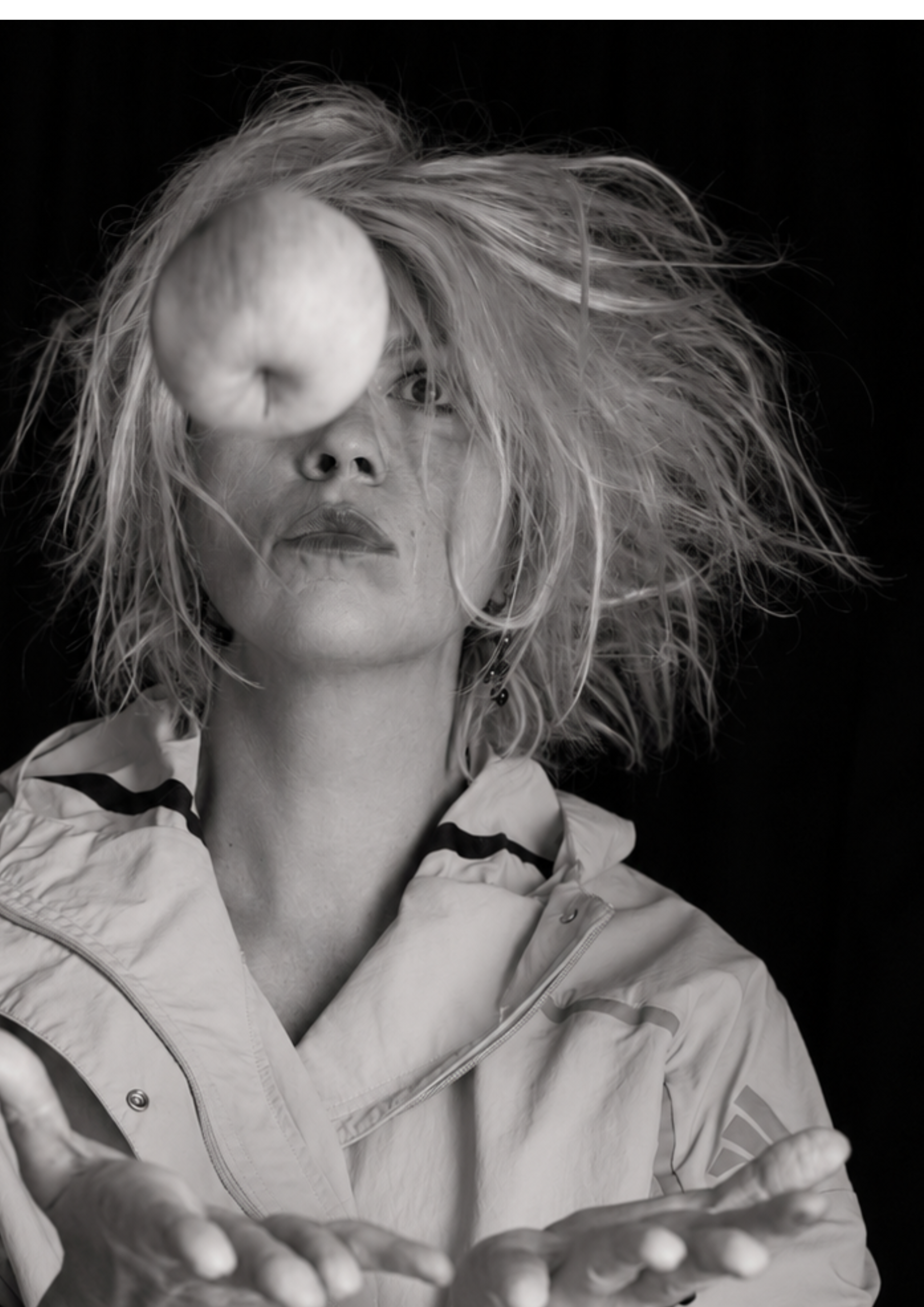
Maryia Hliatsevich (Antanora) — Multidisciplinary Artist, Fashion Designer, and Visual Storyteller
Artist Biography & Overview:
- Preferred Name for Publication: Maryia Hliatsevich (Antanora)
- Core Artistic Practice: Multidisciplinary artist whose practice explores how paintings can continue their life beyond the canvas. Through collaborations across creative disciplines, she develops the concept of “Beyond the Frame”, integrating original paintings into fashion, collectible objects, interiors, and everyday rituals.
- Exhibitions: Her work has been exhibited in Italy, Lithuania, Belarus, and Poland, and featured in international art publications.
- Online Presence: Instagram | Etsy | LinkedIn
1. Your work moves naturally between painting, fashion, interiors, furniture, visual storytelling, and symbolic objects. Rather than treating these as separate disciplines, you seem to view them as different expressions of one artistic language. How did this philosophy evolve, and what convinced you that a single artwork could continue living beyond its original medium?
Maryia Hliatsevich (Antanora): Perhaps at the heart of it lies not so much a desire to unite different artistic disciplines as simple human curiosity. More than anything else, that curiosity is what drives me in my work.
Whenever an image comes into being, I find myself wondering how it might continue its life. What would happen if it existed not only on canvas, but also in glass, textiles, furniture, lighting, or interior architecture? I have always been fascinated by the possibility of watching a single idea unfold through completely different materials without losing its inner nature.
Whenever an image comes into being, I find myself wondering how it might continue its life. What would happen if it existed not only on canvas, but also in glass, textiles, furniture, lighting, or interior architecture? I have always been fascinated by the possibility of watching a single idea unfold through completely different materials without losing its inner nature.
2. Looking back across your artistic journey, what has remained constant despite the many changes in style, medium, and subject?
Maryia Hliatsevich (Antanora): Looking back, I would say that the one thing that has remained unchanged throughout my journey is curiosity. I have always wanted to discover what might happen if I approached something differently. It is curiosity that has led me to explore new materials, learn new techniques, experiment, and begin again from a blank page. From the outside, my work may appear very diverse, yet the inner impulse has always been the same: to explore.
Of course, today I have far more experience, knowledge, and visual awareness than I did before. With time comes an inner sense of harmony that is difficult to explain in words. It gradually becomes part of who you are. Little by little, your own artistic language begins to emerge, and more and more decisions are made intuitively. Yet I do not believe this comes from a single revelation. Rather, it grows from the accumulation of countless experiments, mistakes, unexpected discoveries, and fortunate coincidences.
I have always had a very calm attitude toward mistakes. In fact, I often feel that they become the beginning of something new.
I remember one clothing project in which a slight misalignment occurred during the printing process. Technically, it was a manufacturing defect. But instead of rejecting the piece, I wanted to find a solution within the mistake itself. That led me to the idea of embroidering the prints with threads, decorative elements, and semi-precious stones. In essence, another artwork was born on top of the existing one, introducing a new texture, relief, and character. Every piece became genuinely handcrafted and completely unique.
Experiences like these only strengthened my belief that a mistake does not necessarily mean failure. Sometimes it simply opens a path that could never have been imagined in advance. Perhaps everything I know today is the accumulated experience of countless experiments, mistakes, unexpected discoveries, and moments of insight. None of them was wasted. Together, they gradually shaped the artistic language I speak today.
Of course, today I have far more experience, knowledge, and visual awareness than I did before. With time comes an inner sense of harmony that is difficult to explain in words. It gradually becomes part of who you are. Little by little, your own artistic language begins to emerge, and more and more decisions are made intuitively. Yet I do not believe this comes from a single revelation. Rather, it grows from the accumulation of countless experiments, mistakes, unexpected discoveries, and fortunate coincidences.
I have always had a very calm attitude toward mistakes. In fact, I often feel that they become the beginning of something new.
I remember one clothing project in which a slight misalignment occurred during the printing process. Technically, it was a manufacturing defect. But instead of rejecting the piece, I wanted to find a solution within the mistake itself. That led me to the idea of embroidering the prints with threads, decorative elements, and semi-precious stones. In essence, another artwork was born on top of the existing one, introducing a new texture, relief, and character. Every piece became genuinely handcrafted and completely unique.
Experiences like these only strengthened my belief that a mistake does not necessarily mean failure. Sometimes it simply opens a path that could never have been imagined in advance. Perhaps everything I know today is the accumulated experience of countless experiments, mistakes, unexpected discoveries, and moments of insight. None of them was wasted. Together, they gradually shaped the artistic language I speak today.
3. Your recent writings often return to the idea of “Beyond the Frame.” What does this phrase truly mean to you—not only as an artist, but also as a human being?
Maryia Hliatsevich (Antanora): Perhaps at the heart of it lies not so much a desire to unite different artistic disciplines as simple human curiosity. More than anything else, that curiosity is what drives me in my work.
Whenever an image comes into being, I find myself wondering how it might continue its life. What would happen if it existed not only on canvas, but also in glass, textiles, furniture, lighting, or interior architecture? I have always been fascinated by the possibility of watching a single idea unfold through completely different materials without losing its inner nature.
I enjoy it when the objects we use every day acquire a sense of individuality—not through slogans or visual excess, but through imagery, atmosphere, and subtle details that people perceive almost intuitively. At the same time, I am drawn not to decorative abundance, but to the quiet presence of art. Sometimes a small artistic gesture in the back of a chair, the surface of a lamp, or a detail of clothing is enough for a space to acquire its own character.
That is probably why painting, furniture design, interiors, clothing, and lighting have never existed as separate disciplines in my mind. They are simply different ways in which the same artistic language can exist. An artwork does not end at the frame; it simply continues its life in another material, another scale, and another human experience. This is how the idea of Beyond the Frame gradually emerged.
Over time, I realized that this idea extends far beyond art itself. A frame exists not only around a painting. It also exists around every human being. In many ways, those boundaries are necessary. They have developed over generations, helping people understand one another, live together, and preserve society. I have never viewed them as something negative. Yet sometimes there is a quiet desire to look just a little beyond what is familiar—not to destroy those boundaries, but to explore the space that exists beside them.
To me, that is where creativity begins: at the calm boundary between the known and the unknown. Every search for something new inevitably involves a certain degree of risk. Not every idea will be understood immediately, and not every experiment will succeed. But if there is an explorer within a person, sooner or later they will step beyond what is familiar. That is where discoveries are made.
The same idea applies to the individual. Most of us strive both to belong to society and to preserve our own individuality. Sometimes these two aspirations come into conflict. I became especially aware of this while working on a clothing project in which the artwork was placed on the back rather than the front. Outwardly, the person remained restrained—a quiet silhouette, familiar colours—yet the artwork became part of their identity. It was a very delicate way of expressing something deeply personal without compromising one’s sense of inner security.
Whenever an image comes into being, I find myself wondering how it might continue its life. What would happen if it existed not only on canvas, but also in glass, textiles, furniture, lighting, or interior architecture? I have always been fascinated by the possibility of watching a single idea unfold through completely different materials without losing its inner nature.
I enjoy it when the objects we use every day acquire a sense of individuality—not through slogans or visual excess, but through imagery, atmosphere, and subtle details that people perceive almost intuitively. At the same time, I am drawn not to decorative abundance, but to the quiet presence of art. Sometimes a small artistic gesture in the back of a chair, the surface of a lamp, or a detail of clothing is enough for a space to acquire its own character.
That is probably why painting, furniture design, interiors, clothing, and lighting have never existed as separate disciplines in my mind. They are simply different ways in which the same artistic language can exist. An artwork does not end at the frame; it simply continues its life in another material, another scale, and another human experience. This is how the idea of Beyond the Frame gradually emerged.
Over time, I realized that this idea extends far beyond art itself. A frame exists not only around a painting. It also exists around every human being. In many ways, those boundaries are necessary. They have developed over generations, helping people understand one another, live together, and preserve society. I have never viewed them as something negative. Yet sometimes there is a quiet desire to look just a little beyond what is familiar—not to destroy those boundaries, but to explore the space that exists beside them.
To me, that is where creativity begins: at the calm boundary between the known and the unknown. Every search for something new inevitably involves a certain degree of risk. Not every idea will be understood immediately, and not every experiment will succeed. But if there is an explorer within a person, sooner or later they will step beyond what is familiar. That is where discoveries are made.
The same idea applies to the individual. Most of us strive both to belong to society and to preserve our own individuality. Sometimes these two aspirations come into conflict. I became especially aware of this while working on a clothing project in which the artwork was placed on the back rather than the front. Outwardly, the person remained restrained—a quiet silhouette, familiar colours—yet the artwork became part of their identity. It was a very delicate way of expressing something deeply personal without compromising one’s sense of inner security.
4. In a world of constant scrolling and shrinking attention spans, do you believe art still has the power to slow people down and transform the way they see?
Maryia Hliatsevich (Antanora): I live in this world just like everyone else. My own life moves at a fast pace, and that does not frighten me at all. I enjoy new technologies, I am always eager to learn new tools, and I take great pleasure in working with artificial intelligence. To me, it opens extraordinary possibilities for creativity and experimentation.
At the same time, art has always been a space governed by a different rhythm. Not a way of escaping the modern world, but an opportunity to shift one’s attention for a while. When you paint, sand, embroider, or simply work with any material using your hands, a unique state of concentration emerges. It is both craftsmanship and a form of meditation. Anything that requires time gradually acquires a special depth and inner value.
Today there is much debate surrounding artificial intelligence, but I see it primarily as a powerful tool. Perhaps I would compare it to a Ferrari. It is a magnificent machine, but it is at its best when the person behind the wheel already knows how to drive. The same is true of any technology: the better you understand the foundations of your profession and the creative process itself, the more freely and meaningfully you can use new possibilities.
What fascinates me is that today it is possible to create in a single day a project concept that once required months of preparation. It allows us to open a small window into the future and see ideas before they become physical reality. For me, this does not diminish creativity—it expands the space for experimentation.
That is why I do not see a contradiction between speed and depth. I believe we need both. Art does not make time move more slowly, but it helps us hear the silence that each of us needs. Technology, in turn, allows us to discover new horizons and explore new forms.
Perhaps the world itself is sustained by the balance of opposites. We cannot exist entirely in motion, nor entirely in stillness. Each exists because of the other. And perhaps that is precisely the balance I try to preserve both in my life and in my work.
At the same time, art has always been a space governed by a different rhythm. Not a way of escaping the modern world, but an opportunity to shift one’s attention for a while. When you paint, sand, embroider, or simply work with any material using your hands, a unique state of concentration emerges. It is both craftsmanship and a form of meditation. Anything that requires time gradually acquires a special depth and inner value.
Today there is much debate surrounding artificial intelligence, but I see it primarily as a powerful tool. Perhaps I would compare it to a Ferrari. It is a magnificent machine, but it is at its best when the person behind the wheel already knows how to drive. The same is true of any technology: the better you understand the foundations of your profession and the creative process itself, the more freely and meaningfully you can use new possibilities.
What fascinates me is that today it is possible to create in a single day a project concept that once required months of preparation. It allows us to open a small window into the future and see ideas before they become physical reality. For me, this does not diminish creativity—it expands the space for experimentation.
That is why I do not see a contradiction between speed and depth. I believe we need both. Art does not make time move more slowly, but it helps us hear the silence that each of us needs. Technology, in turn, allows us to discover new horizons and explore new forms.
Perhaps the world itself is sustained by the balance of opposites. We cannot exist entirely in motion, nor entirely in stillness. Each exists because of the other. And perhaps that is precisely the balance I try to preserve both in my life and in my work.
5. Many of your works explore how the same image changes when it moves from a canvas to clothing, furniture, interiors, or everyday objects. What have these experiments revealed to you about context, perception, and meaning?
Maryia Hliatsevich (Antanora): Context alters everything. When a painting transitions into an interior object or a garment, it ceases to be merely something observed from a distance; it becomes an active part of daily life, interacting intimately with physical space and personal routine.
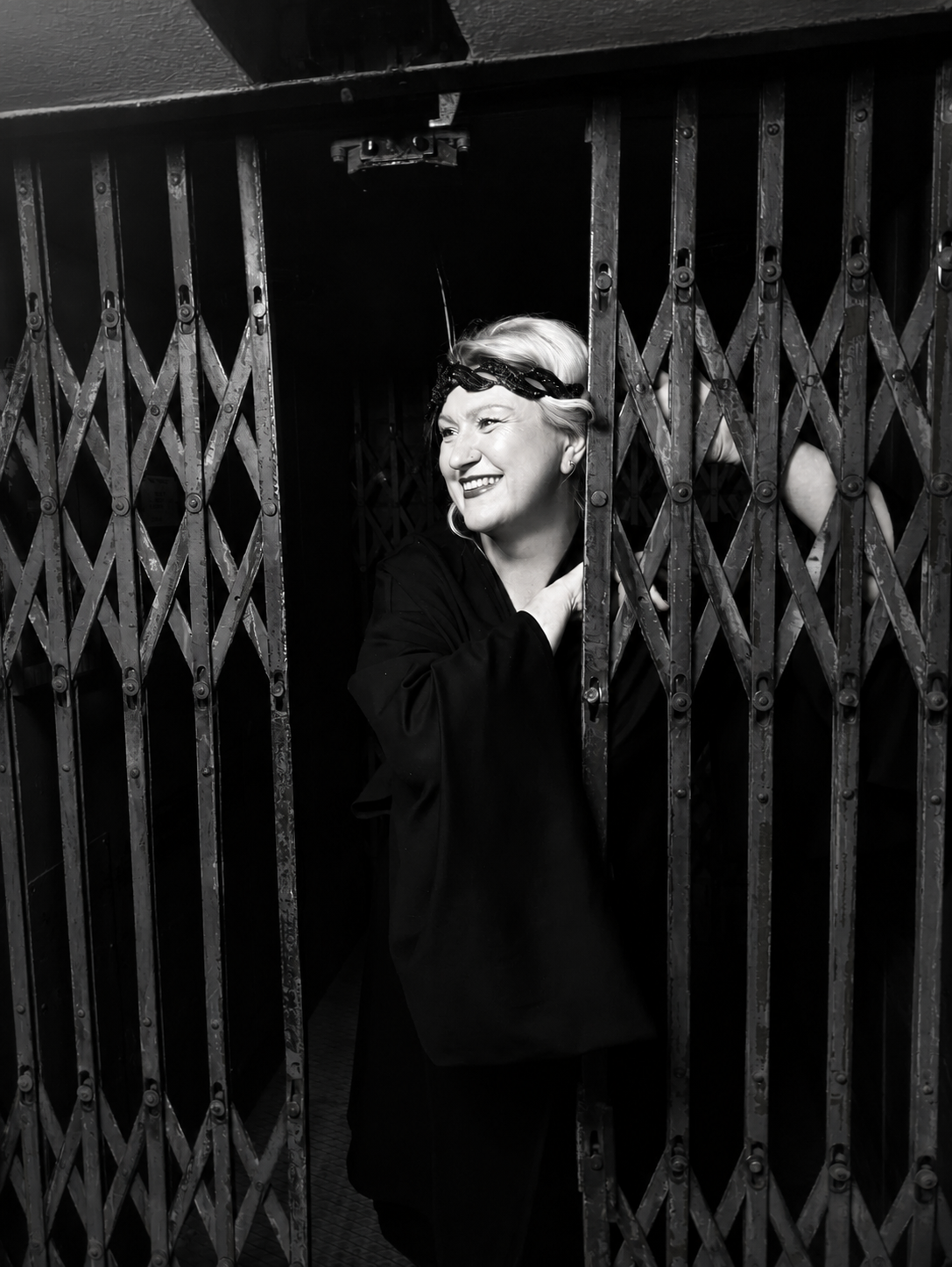
Merging traditional painting with tactile everyday objects and wearable art.
6. You have written thoughtfully about how people naturally construct stories from visual cues. How has studying perception influenced both your creative process and your understanding of human nature?
Maryia Hliatsevich (Antanora): There is a substantial body of research in psychology, sociology, and cognitive science devoted to this subject. The more I studied human perception, the more clearly I realized that we almost never see an image on its own. We see it through the lens of our personal experiences, emotional state, cultural background, and expectations.
The very same artwork can be interpreted in completely different ways by different people. Even more fascinating, the same person may discover entirely different meanings in it at different stages of life. When someone feels grounded and emotionally secure, even a complex work may be experienced as a story of resilience and hope. During a difficult period, however, that same person may perceive anxiety in an image where the artist never intended to place it.
That is why I have always been interested not so much in creating images with a single fixed meaning, but in creating a space in which the viewer becomes a co-author of the work. In that sense, art becomes less of an answer and more of an invitation to an inner dialogue.
This principle became especially clear through my work with metaphorical cards. They are used by psychologists and psychotherapists, and for me this became yet another confirmation that an image does not impose meaning on a person. Instead, it helps them encounter themselves. We do not provide predetermined interpretations or explain “what the image really means.” Instead, people describe their first impression, notice details, and explore the feelings and associations that arise. At that moment, they begin speaking less about the artwork and more about themselves.
Perhaps this understanding of perception has influenced my creative process more than anything else. Today, what matters most to me is not imposing a particular story on the viewer, but creating a space in which their own story can emerge.
The very same artwork can be interpreted in completely different ways by different people. Even more fascinating, the same person may discover entirely different meanings in it at different stages of life. When someone feels grounded and emotionally secure, even a complex work may be experienced as a story of resilience and hope. During a difficult period, however, that same person may perceive anxiety in an image where the artist never intended to place it.
That is why I have always been interested not so much in creating images with a single fixed meaning, but in creating a space in which the viewer becomes a co-author of the work. In that sense, art becomes less of an answer and more of an invitation to an inner dialogue.
This principle became especially clear through my work with metaphorical cards. They are used by psychologists and psychotherapists, and for me this became yet another confirmation that an image does not impose meaning on a person. Instead, it helps them encounter themselves. We do not provide predetermined interpretations or explain “what the image really means.” Instead, people describe their first impression, notice details, and explore the feelings and associations that arise. At that moment, they begin speaking less about the artwork and more about themselves.
Perhaps this understanding of perception has influenced my creative process more than anything else. Today, what matters most to me is not imposing a particular story on the viewer, but creating a space in which their own story can emerge.
7. Many artists strive to develop a recognizable visual identity. Do you consciously cultivate a signature style, or do you believe it emerges naturally through years of honest work?
Maryia Hliatsevich (Antanora): I believe that a genuine artistic style cannot be invented or deliberately constructed. You cannot simply decide that, from today onward, this is how you will create. Style emerges naturally as a reflection of accumulated experience, personal worldview, enduring interests, and the unique way a person sees the world.
If we look at the work of great artists, this becomes very clear. Picasso went through remarkably different creative periods, yet each of them remained unmistakably his. He never stayed within a single successful formula but continued to evolve alongside his own life. That is why his body of work feels like a living journey rather than the repetition of a style he once discovered.
I feel very close to that approach. I have never set myself the goal of creating a recognizable style simply for the sake of recognition. What matters far more to me is remaining honest—with myself and with the idea I am exploring at any given moment. If an artist works sincerely and continues doing so over many years, a visual language gradually takes shape on its own. Perhaps that is the most reliable path toward genuine artistic individuality.
If we look at the work of great artists, this becomes very clear. Picasso went through remarkably different creative periods, yet each of them remained unmistakably his. He never stayed within a single successful formula but continued to evolve alongside his own life. That is why his body of work feels like a living journey rather than the repetition of a style he once discovered.
I feel very close to that approach. I have never set myself the goal of creating a recognizable style simply for the sake of recognition. What matters far more to me is remaining honest—with myself and with the idea I am exploring at any given moment. If an artist works sincerely and continues doing so over many years, a visual language gradually takes shape on its own. Perhaps that is the most reliable path toward genuine artistic individuality.
8. Your works often invite multiple interpretations instead of offering fixed answers. How do you balance intuition and intention while creating them?
Maryia Hliatsevich (Antanora): Perhaps my answer will surprise many people, but I have never felt like an artist who first invents an image and then brings it to life. If anything, the opposite is true. I encounter the image during the process itself.
Very often, I do not know what the finished work will become. I may choose the material, the format, or the palette, but the image reveals itself gradually. Sometimes it surprises me no less than it later surprises the viewer. In a sense, I become the first person to discover the work. It simply happens through my own hand.
It is difficult for me to explain this state rationally. I do not wish to mystify it, but it genuinely feels as though some images come from somewhere beyond me, while my task is simply to listen carefully and allow them to appear. During the creative process, I feel more like an observer than a constructor.
At the same time, intuition never replaces professional mastery. Quite the opposite. While the image is allowed to emerge freely, the conscious mind is responsible for everything related to craftsmanship: composition, space, perspective, materials, and technical decisions. They do not compete with one another. Each simply has its own role.
I can clearly feel the difference between works created as a professional assignment and those that emerge in this way. Both can be successful, yet the inner experience is entirely different. When an image truly arrives, the sense of time disappears. A rare state of living creativity emerges, in which you no longer fully control the process but experience it together with the work itself.
Many of these drawings come to me while travelling. I love drawing on trains. They create a unique space between two destinations, where time seems to flow differently. I put on my headphones and listen to a scientific lecture or an audiobook—on physics, genetics, psychology, or philosophy. While the rational part of my mind is absorbed by something it genuinely enjoys, it stops interfering with the creative process, and that is often when the images come most freely.
At the same time, I almost never work from a place of inner turmoil. There is a romantic image of the artist who must suffer in order to create, but I have never felt close to that idea. If my works are later going to live alongside people—in interiors, on clothing, or as everyday objects—I feel responsible for the state of mind from which they were created. That is why it is important to me that, at the moment of creation, I carry within myself a sense of inner balance and harmony.
After that, a completely different stage begins. Once the artwork has come into being, an almost engineering way of thinking takes over. I become fascinated by the question of how this image might continue its life: how it could exist in clothing, furniture, lighting, or interiors; which materials would serve it best; which technologies would be most appropriate; and how to achieve expressiveness, durability, and practical production at the same time.
I genuinely enjoy this process. I like studying materials, technologies, structural solutions, and manufacturing methods. I enjoy understanding where a project can become simpler, more efficient, and more precise. I am convinced that engineering does not stand in opposition to art. On the contrary, it helps an artwork find its most natural form of existence in the real world.
That is why the balance between intuition and conscious intention feels quite simple to me. Intuition gives birth to the image. Professional mastery allows it to take shape. And engineering thinking enables that image to continue its life far beyond the canvas.
Very often, I do not know what the finished work will become. I may choose the material, the format, or the palette, but the image reveals itself gradually. Sometimes it surprises me no less than it later surprises the viewer. In a sense, I become the first person to discover the work. It simply happens through my own hand.
It is difficult for me to explain this state rationally. I do not wish to mystify it, but it genuinely feels as though some images come from somewhere beyond me, while my task is simply to listen carefully and allow them to appear. During the creative process, I feel more like an observer than a constructor.
At the same time, intuition never replaces professional mastery. Quite the opposite. While the image is allowed to emerge freely, the conscious mind is responsible for everything related to craftsmanship: composition, space, perspective, materials, and technical decisions. They do not compete with one another. Each simply has its own role.
I can clearly feel the difference between works created as a professional assignment and those that emerge in this way. Both can be successful, yet the inner experience is entirely different. When an image truly arrives, the sense of time disappears. A rare state of living creativity emerges, in which you no longer fully control the process but experience it together with the work itself.
Many of these drawings come to me while travelling. I love drawing on trains. They create a unique space between two destinations, where time seems to flow differently. I put on my headphones and listen to a scientific lecture or an audiobook—on physics, genetics, psychology, or philosophy. While the rational part of my mind is absorbed by something it genuinely enjoys, it stops interfering with the creative process, and that is often when the images come most freely.
At the same time, I almost never work from a place of inner turmoil. There is a romantic image of the artist who must suffer in order to create, but I have never felt close to that idea. If my works are later going to live alongside people—in interiors, on clothing, or as everyday objects—I feel responsible for the state of mind from which they were created. That is why it is important to me that, at the moment of creation, I carry within myself a sense of inner balance and harmony.
After that, a completely different stage begins. Once the artwork has come into being, an almost engineering way of thinking takes over. I become fascinated by the question of how this image might continue its life: how it could exist in clothing, furniture, lighting, or interiors; which materials would serve it best; which technologies would be most appropriate; and how to achieve expressiveness, durability, and practical production at the same time.
I genuinely enjoy this process. I like studying materials, technologies, structural solutions, and manufacturing methods. I enjoy understanding where a project can become simpler, more efficient, and more precise. I am convinced that engineering does not stand in opposition to art. On the contrary, it helps an artwork find its most natural form of existence in the real world.
That is why the balance between intuition and conscious intention feels quite simple to me. Intuition gives birth to the image. Professional mastery allows it to take shape. And engineering thinking enables that image to continue its life far beyond the canvas.
9. Modern culture often demands immediate explanation and clarity, yet your work leaves space for ambiguity and quiet discovery. Why do you believe mystery still matters in art?
Maryia Hliatsevich (Antanora): I believe this has less to do with contemporary culture than with human nature itself. Throughout history, there have always been accepted ideas about the “right” way to see, understand, and interpret things. It has almost always felt safer to share the opinion of the majority than to trust one’s own perception.
When a work of art is given a single correct explanation, the space for a personal encounter with it almost disappears. If viewers are immediately told what they are supposed to see, they begin to trust that explanation more than themselves. Sometimes I feel that this is the moment when the dialogue ends.
I find it far more interesting to leave a space where people can discover something for themselves. After all, each of us approaches an artwork with our own experiences, memories, and questions. Very often, when someone speaks about a work of art, they are, in fact, speaking about themselves. And I believe that this is the moment when art truly comes to life.
Of course, ready-made answers provide a sense of certainty. They free us from the risk of being wrong and relieve us of the need to search for our own meaning. But at the same time, they deprive us of the opportunity to make discoveries for ourselves.
That is probably why I have always felt closer to ambiguity. Not because I wish to hide something or deliberately make things more complicated, but because I do not want to take away the viewer’s own journey.
I do not believe that a great work of art is obliged to answer every question. Sometimes its purpose is something entirely different—to create a space in which people begin asking their own.
When nothing has been explained completely, we are forced to rely on ourselves. And perhaps that is when the most important encounter takes place—not only with the artwork, but also with ourselves.
When a work of art is given a single correct explanation, the space for a personal encounter with it almost disappears. If viewers are immediately told what they are supposed to see, they begin to trust that explanation more than themselves. Sometimes I feel that this is the moment when the dialogue ends.
I find it far more interesting to leave a space where people can discover something for themselves. After all, each of us approaches an artwork with our own experiences, memories, and questions. Very often, when someone speaks about a work of art, they are, in fact, speaking about themselves. And I believe that this is the moment when art truly comes to life.
Of course, ready-made answers provide a sense of certainty. They free us from the risk of being wrong and relieve us of the need to search for our own meaning. But at the same time, they deprive us of the opportunity to make discoveries for ourselves.
That is probably why I have always felt closer to ambiguity. Not because I wish to hide something or deliberately make things more complicated, but because I do not want to take away the viewer’s own journey.
I do not believe that a great work of art is obliged to answer every question. Sometimes its purpose is something entirely different—to create a space in which people begin asking their own.
When nothing has been explained completely, we are forced to rely on ourselves. And perhaps that is when the most important encounter takes place—not only with the artwork, but also with ourselves.
10. Fashion changes rapidly, while art often seeks permanence. How do you create work that feels contemporary without becoming dependent on passing trends?
Maryia Hliatsevich (Antanora): I believe that being contemporary is defined less by following fashion than by understanding how people live today. The world has undeniably become much faster, and there is little point in pretending otherwise. But that does not mean we have to chase every new trend that appears.
When we were creating our authorial fashion collection, many of the pieces were essentially works of art. They were made entirely by hand, highly expressive, and intended more for exhibitions, festivals, or the stage than for everyday life. I still love that kind of work, but I also understand that daily life asks for something different.
Today, I am much more interested in finding a balance between artistic expression and comfort. If someone wears a garment every day, it should first of all be comfortable. I want the clothing to fit well, the hood to stay in place, the collar to provide real protection from the cold, and the cut to allow complete freedom of movement. Only after that does the artwork appear as an additional dimension, an accent that makes the piece truly distinctive.
I have always been drawn to working with clear, timeless forms. It is not always necessary to reinvent the object itself. Sometimes it is far more interesting to fill a familiar form with new meaning. In that way, art becomes a natural part of everyday life without asking people to change who they are.
Many years ago, my driving instructor gave me a simple piece of advice: the best way to drive is to move with the flow of traffic. I have often thought that this is also an excellent metaphor for culture. If you are constantly looking backward, you lose touch with the present. If you try to stay so far ahead that no one can understand you, another kind of disconnect appears. I much prefer to remain in a living dialogue with my own time while staying true to myself.
Of course, experimentation is essential. Sometimes unexpected ideas become the beginning of entirely new directions. But I have never set myself the goal of being at the forefront of fashion at any cost. What matters far more to me is creating work that will remain meaningful and engaging long after today’s trends have disappeared.
If I had to express it in a single sentence, I would say this: I like work that is striking, but not mass-produced. Work that feels contemporary and distinctive without becoming a prisoner of passing fashion.
When we were creating our authorial fashion collection, many of the pieces were essentially works of art. They were made entirely by hand, highly expressive, and intended more for exhibitions, festivals, or the stage than for everyday life. I still love that kind of work, but I also understand that daily life asks for something different.
Today, I am much more interested in finding a balance between artistic expression and comfort. If someone wears a garment every day, it should first of all be comfortable. I want the clothing to fit well, the hood to stay in place, the collar to provide real protection from the cold, and the cut to allow complete freedom of movement. Only after that does the artwork appear as an additional dimension, an accent that makes the piece truly distinctive.
I have always been drawn to working with clear, timeless forms. It is not always necessary to reinvent the object itself. Sometimes it is far more interesting to fill a familiar form with new meaning. In that way, art becomes a natural part of everyday life without asking people to change who they are.
Many years ago, my driving instructor gave me a simple piece of advice: the best way to drive is to move with the flow of traffic. I have often thought that this is also an excellent metaphor for culture. If you are constantly looking backward, you lose touch with the present. If you try to stay so far ahead that no one can understand you, another kind of disconnect appears. I much prefer to remain in a living dialogue with my own time while staying true to myself.
Of course, experimentation is essential. Sometimes unexpected ideas become the beginning of entirely new directions. But I have never set myself the goal of being at the forefront of fashion at any cost. What matters far more to me is creating work that will remain meaningful and engaging long after today’s trends have disappeared.
If I had to express it in a single sentence, I would say this: I like work that is striking, but not mass-produced. Work that feels contemporary and distinctive without becoming a prisoner of passing fashion.
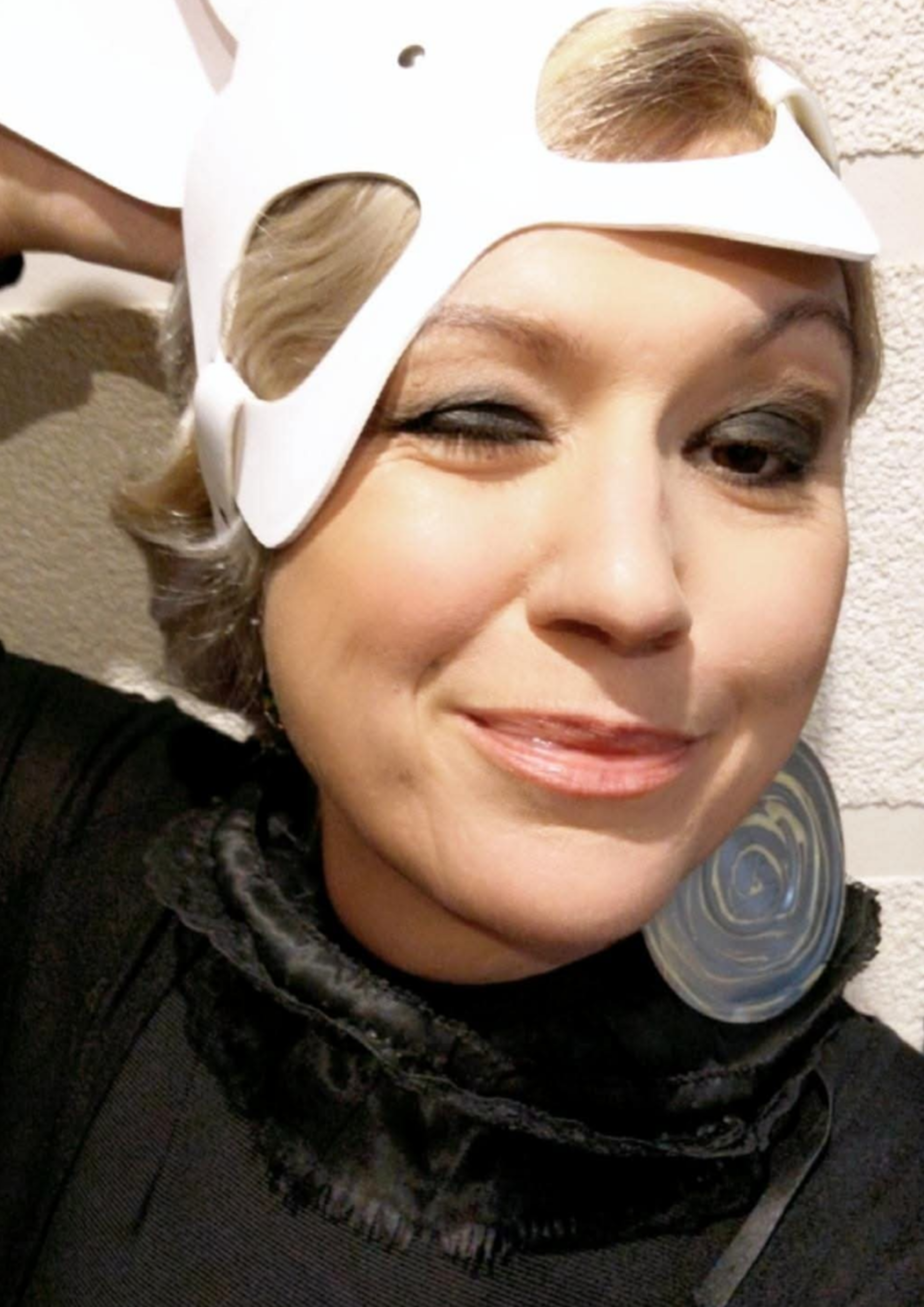
Exhibited internationally across Italy, Lithuania, Belarus, and Poland.
11. When someone wears your artwork rather than viewing it in a gallery, does its meaning change? What fascinates you most about that transformation?
Maryia Hliatsevich (Antanora): I do not think the artwork loses its meaning when that happens. Rather, it begins a new life. And perhaps that is exactly what fascinates me most.
I have already had the opportunity to create fashion collections in which works of art became an organic part of the garments themselves. It has always been important to me that these are not simply prints applied to fabric, but genuine artistic dialogues between painting, form, material, and the person who wears them. In such projects, I am not only the author of the artwork but also a co-creator of the collection itself, exploring how an image becomes part of a garment. That transformation—when what emerges is neither simply clothing nor simply a painting, but an entirely new work in its own right—remains one of the most exciting directions of my practice.
If I am honest, however, my favourite gallery is the street. There is nothing more extraordinary than unexpectedly seeing a stranger walking through the city wearing something that carries one of your artworks. It is impossible to compare that feeling to anything else. Of course, it is gratifying to know that someone recognizes the artist behind the work and has consciously chosen it. Every artist values that kind of recognition. But something else matters even more to me: at that moment, the artwork has truly become part of someone’s life. It is no longer something viewed for a few minutes in an exhibition hall. It is something a person has chosen to live with, to wear, and to use as a way of expressing something about themselves.
To me, that is what a genuine encounter feels like. It means that a real connection has formed between the artwork and the person. It means they have discovered something of their own within it and chosen to continue that conversation in their own voice.
That is why I feel so drawn to projects in which people become not only viewers but also participants in the creative process. I work extensively with cyanotype and lead workshops where people use my images, negatives, and compositions as the starting point for creating works of their own. The most remarkable part is seeing how completely different the results always are. Every participant creates something entirely personal.
I often compare it to reading a book. We may all read the same novel, yet each of us experiences it differently. The same thing happens here. People do not copy my work. They enter into a dialogue with it, reinterpret it, and bring to it their own experiences and perceptions. In that moment, a new work comes into being.
Perhaps that is why I am so inspired by creating works that continue to live long after they leave the studio. It is important to me to remain their author, but it is equally fascinating to watch them become part of someone else’s story, acquire new layers of meaning, and continue their existence through dialogue with other people. To me, that is where their real life begins.
I have already had the opportunity to create fashion collections in which works of art became an organic part of the garments themselves. It has always been important to me that these are not simply prints applied to fabric, but genuine artistic dialogues between painting, form, material, and the person who wears them. In such projects, I am not only the author of the artwork but also a co-creator of the collection itself, exploring how an image becomes part of a garment. That transformation—when what emerges is neither simply clothing nor simply a painting, but an entirely new work in its own right—remains one of the most exciting directions of my practice.
If I am honest, however, my favourite gallery is the street. There is nothing more extraordinary than unexpectedly seeing a stranger walking through the city wearing something that carries one of your artworks. It is impossible to compare that feeling to anything else. Of course, it is gratifying to know that someone recognizes the artist behind the work and has consciously chosen it. Every artist values that kind of recognition. But something else matters even more to me: at that moment, the artwork has truly become part of someone’s life. It is no longer something viewed for a few minutes in an exhibition hall. It is something a person has chosen to live with, to wear, and to use as a way of expressing something about themselves.
To me, that is what a genuine encounter feels like. It means that a real connection has formed between the artwork and the person. It means they have discovered something of their own within it and chosen to continue that conversation in their own voice.
That is why I feel so drawn to projects in which people become not only viewers but also participants in the creative process. I work extensively with cyanotype and lead workshops where people use my images, negatives, and compositions as the starting point for creating works of their own. The most remarkable part is seeing how completely different the results always are. Every participant creates something entirely personal.
I often compare it to reading a book. We may all read the same novel, yet each of us experiences it differently. The same thing happens here. People do not copy my work. They enter into a dialogue with it, reinterpret it, and bring to it their own experiences and perceptions. In that moment, a new work comes into being.
Perhaps that is why I am so inspired by creating works that continue to live long after they leave the studio. It is important to me to remain their author, but it is equally fascinating to watch them become part of someone else’s story, acquire new layers of meaning, and continue their existence through dialogue with other people. To me, that is where their real life begins.
12. Silence, memory, atmosphere, anticipation, and subtle emotion appear repeatedly throughout your work and writing. Why are these quiet experiences so central to your creative language?
Maryia Hliatsevich (Antanora): I am not sure I would describe my work in exactly those terms. I do not feel that there is one recurring theme running consistently through everything I create. Rather, each work is its own world, and every person reads that world differently.
Of course, every artwork has its own story. I remember the period of my life in which it was created, what was happening around me, what I was reading, and what music or lectures I was listening to at the time. Sometimes it is science fiction, sometimes books or lectures on physics, genetics, psychology, or psychotherapy. All of these remain within the work, but not as quotations or hidden messages. They are more like the environment in which the work was born.
While I am working, it is important for me to keep the rational part of my mind occupied with something that genuinely interests it. While one part of me is absorbed in a lecture or reflecting on a book, another part is free to work more intuitively—without constant inner supervision or the need to explain everything or construct it in advance. Perhaps that is why I often say that I never fully know what my paintings depict. I know what they mean to me, but not so completely that I could claim my interpretation is the only possible one.
Over time, my own perception of my work changes as well. That is one reason I have always found it difficult to give my artworks titles. To name a work is, in some sense, to impose a certain definition upon it. Although I understand that titles are an inevitable part of an artwork’s journey, I have always found that moment surprisingly difficult.
What truly fascinates me is listening to the way other people read my work. Sometimes they discover meanings, connections, or images that would never have occurred to me. It is not a question of one of us being right or wrong. Each person approaches an artwork with their own experiences, memories, and questions, and therefore each discovers a different world within it.
I believe this is one of the most remarkable qualities of art. It has the ability to become a meeting place for completely different inner worlds. That is why I have never wanted to explain the “correct” way to understand a work. It is far more interesting to watch it continue its life beyond me, revealing something unique to every person who encounters it. To me, this is not the loss of its original meaning, but the natural continuation of its life.
Of course, every artwork has its own story. I remember the period of my life in which it was created, what was happening around me, what I was reading, and what music or lectures I was listening to at the time. Sometimes it is science fiction, sometimes books or lectures on physics, genetics, psychology, or psychotherapy. All of these remain within the work, but not as quotations or hidden messages. They are more like the environment in which the work was born.
While I am working, it is important for me to keep the rational part of my mind occupied with something that genuinely interests it. While one part of me is absorbed in a lecture or reflecting on a book, another part is free to work more intuitively—without constant inner supervision or the need to explain everything or construct it in advance. Perhaps that is why I often say that I never fully know what my paintings depict. I know what they mean to me, but not so completely that I could claim my interpretation is the only possible one.
Over time, my own perception of my work changes as well. That is one reason I have always found it difficult to give my artworks titles. To name a work is, in some sense, to impose a certain definition upon it. Although I understand that titles are an inevitable part of an artwork’s journey, I have always found that moment surprisingly difficult.
What truly fascinates me is listening to the way other people read my work. Sometimes they discover meanings, connections, or images that would never have occurred to me. It is not a question of one of us being right or wrong. Each person approaches an artwork with their own experiences, memories, and questions, and therefore each discovers a different world within it.
I believe this is one of the most remarkable qualities of art. It has the ability to become a meeting place for completely different inner worlds. That is why I have never wanted to explain the “correct” way to understand a work. It is far more interesting to watch it continue its life beyond me, revealing something unique to every person who encounters it. To me, this is not the loss of its original meaning, but the natural continuation of its life.
13. How have literature, philosophy, psychology, music, or spirituality shaped your artistic thinking—even when those influences are invisible within the finished work?
Maryia Hliatsevich (Antanora): I believe all of these are genuinely present in my life, though not as direct references or illustrations of particular ideas. Rather, they form the intellectual and emotional landscape in which I live and think.
I have always been driven by curiosity and the desire to learn. I enjoy reading both literature and science fiction, and I take great pleasure in listening to lectures on physics, genetics, psychology, and psychotherapy. Music and spiritual practice are also important parts of my life. Yet none of these influences appears in my work as a direct quotation or as a concept that the viewer is expected to decode.
I think knowledge works in a different way. It gradually changes the way we see the world, expanding our inner landscape, and it is from that expanded space that art begins to emerge. That is why it is difficult for me to draw a clear line between where literature ends, science begins, music resonates, or personal experience takes over. With time, all of these become part of a single way of perceiving the world.
Perhaps that is why my work rarely offers direct answers. Everything I read, study, listen to, or experience does not necessarily become the explicit subject of an artwork. Instead, it changes me as a person, and then, sometimes in completely unexpected ways, it reveals itself through images, forms, colour, rhythm, or artistic decisions.
I have always been driven by curiosity and the desire to learn. I enjoy reading both literature and science fiction, and I take great pleasure in listening to lectures on physics, genetics, psychology, and psychotherapy. Music and spiritual practice are also important parts of my life. Yet none of these influences appears in my work as a direct quotation or as a concept that the viewer is expected to decode.
I think knowledge works in a different way. It gradually changes the way we see the world, expanding our inner landscape, and it is from that expanded space that art begins to emerge. That is why it is difficult for me to draw a clear line between where literature ends, science begins, music resonates, or personal experience takes over. With time, all of these become part of a single way of perceiving the world.
Perhaps that is why my work rarely offers direct answers. Everything I read, study, listen to, or experience does not necessarily become the explicit subject of an artwork. Instead, it changes me as a person, and then, sometimes in completely unexpected ways, it reveals itself through images, forms, colour, rhythm, or artistic decisions.
14. Your writings often suggest that perception depends more on context than objective reality. Do you believe artists have a responsibility to challenge the assumptions through which society interprets beauty, identity, success, and value?
Maryia Hliatsevich (Antanora): I do believe there is a certain responsibility, but it is far more complex than it may first appear. I do not share the idea that an artist can single-handedly change society or impose a new way of seeing the world.
I prefer to compare art to a seed. No matter how vital a seed may be, it will never grow if the soil is not ready to receive it. Time, the right conditions, and an inner readiness for something new are all essential. I believe the same is true of art. The artist creates the work, society gradually evolves, and at a certain moment a resonance emerges between the two.
The word resonance is probably the most important one for me here. Real change does not happen because someone tries to persuade or educate others. It happens when an idea arrives at exactly the right moment when both the artist and the people encountering the work are ready for it.
Perhaps that is why history so often presents us with similar discoveries or ideas emerging almost simultaneously in different parts of the world. For many years people debated who first invented the electric light bulb, and there are countless examples like this. Usually, it is not only about one individual. Rather, a moment arrives when culture, accumulated knowledge, and historical circumstances together make the birth of a new idea possible.
I believe art follows the same principle. An artist does not so much direct society as observe it attentively, sense the changes taking place, and help make visible what is already beginning to emerge within the shared cultural landscape.
That is why I do not think an artist’s role is to tell people what they should consider beautiful, meaningful, or valuable. Rather, our responsibility is to remain honest with our own perception of the times and to offer a new way of seeing when the moment is genuinely right. It is within that meeting between the artwork and society—in that resonance—that the most meaningful changes are born.
I prefer to compare art to a seed. No matter how vital a seed may be, it will never grow if the soil is not ready to receive it. Time, the right conditions, and an inner readiness for something new are all essential. I believe the same is true of art. The artist creates the work, society gradually evolves, and at a certain moment a resonance emerges between the two.
The word resonance is probably the most important one for me here. Real change does not happen because someone tries to persuade or educate others. It happens when an idea arrives at exactly the right moment when both the artist and the people encountering the work are ready for it.
Perhaps that is why history so often presents us with similar discoveries or ideas emerging almost simultaneously in different parts of the world. For many years people debated who first invented the electric light bulb, and there are countless examples like this. Usually, it is not only about one individual. Rather, a moment arrives when culture, accumulated knowledge, and historical circumstances together make the birth of a new idea possible.
I believe art follows the same principle. An artist does not so much direct society as observe it attentively, sense the changes taking place, and help make visible what is already beginning to emerge within the shared cultural landscape.
That is why I do not think an artist’s role is to tell people what they should consider beautiful, meaningful, or valuable. Rather, our responsibility is to remain honest with our own perception of the times and to offer a new way of seeing when the moment is genuinely right. It is within that meeting between the artwork and society—in that resonance—that the most meaningful changes are born.
15. People often speak about inspiration, yet discipline receives far less attention. What role have routine, persistence, and daily practice played throughout your creative life?
Maryia Hliatsevich (Antanora): I believe inspiration and discipline simply cannot exist without one another. People often say that you should wait for inspiration to arrive. My own experience has taught me the opposite: first you sit down and begin working, and then inspiration comes. Sometimes not immediately, but it comes.
To me, every form of creativity is, ultimately, work. Even if someone has been generously gifted by nature, that alone is never enough. Singing, for example, has always come quite naturally to me, yet I know perfectly well that a natural voice alone is not enough to perform a demanding piece at a truly high level. It still requires time, regular practice, and dedication. I believe the same principle applies to every form of art.
Over time, another important effect appears. Consistent practice makes craftsmanship feel natural. Your hand becomes more confident, many technical aspects no longer require constant attention, and that frees your mind to focus on creativity itself. That is why I see discipline not as something that limits inspiration, but as the condition that allows it to emerge.
Several years ago, I had to make a difficult decision. I left a stable and well-paid job because I realized I wanted to devote myself entirely to creating a new collection. What I needed was not a little more money but something far more valuable: time. Time to work every day, to experiment, and to develop my ideas until they reached the standard I expected of myself.
I still remember telling my manager that I was leaving to paint and work in fashion. He looked at me and asked, “But what are you going to do for work?” I think that question perfectly reflects a common attitude toward creative professions. Art is often seen as inspiration, talent, or simply a beautiful hobby. In reality, it is work as well—serious work that demands patience, consistency, inner discipline, and the willingness to return to it again and again.
Perhaps that is why I have never separated inspiration from hard work. For me, they have always existed together. One makes the other possible, and it is their combination that gradually transforms natural ability into genuine mastery.
To me, every form of creativity is, ultimately, work. Even if someone has been generously gifted by nature, that alone is never enough. Singing, for example, has always come quite naturally to me, yet I know perfectly well that a natural voice alone is not enough to perform a demanding piece at a truly high level. It still requires time, regular practice, and dedication. I believe the same principle applies to every form of art.
Over time, another important effect appears. Consistent practice makes craftsmanship feel natural. Your hand becomes more confident, many technical aspects no longer require constant attention, and that frees your mind to focus on creativity itself. That is why I see discipline not as something that limits inspiration, but as the condition that allows it to emerge.
Several years ago, I had to make a difficult decision. I left a stable and well-paid job because I realized I wanted to devote myself entirely to creating a new collection. What I needed was not a little more money but something far more valuable: time. Time to work every day, to experiment, and to develop my ideas until they reached the standard I expected of myself.
I still remember telling my manager that I was leaving to paint and work in fashion. He looked at me and asked, “But what are you going to do for work?” I think that question perfectly reflects a common attitude toward creative professions. Art is often seen as inspiration, talent, or simply a beautiful hobby. In reality, it is work as well—serious work that demands patience, consistency, inner discipline, and the willingness to return to it again and again.
Perhaps that is why I have never separated inspiration from hard work. For me, they have always existed together. One makes the other possible, and it is their combination that gradually transforms natural ability into genuine mastery.
16. Every creative journey includes moments of uncertainty, self-doubt, and silence. How have you learned to move through those periods without losing your artistic direction?
Maryia Hliatsevich (Antanora): Perhaps I have also come to understand something else. An artist grows not only by refining technique. Equally important is learning to recognise the value of what emerges naturally and effortlessly, and not to dismiss it simply because it appeared quickly or seems deceptively simple.
I remember that during my student years, the margins of all my notebooks—even those from subjects completely unrelated to art—were filled with drawings. Back then, I attached no importance to them and threw many of them away. I no longer do that. Now I keep those pages because I know that sometimes those spontaneous sketches contain something genuinely alive—something I may want to return to years later.
Over the years, I have come to understand that this is not always true. Sometimes the quickest sketches turn out to be just as significant as works that have taken weeks or even months to complete. More than that, they often become the starting point for entirely new works, whole series, or creative directions that I simply could not yet see at the time.
When I was younger, I believed that a truly meaningful work had to be large, complex, and the result of long, painstaking effort. I wanted very much to master my craft, and I still believe that craftsmanship is incredibly important. But at that time, I also believed that the amount of time invested in a work was almost what determined its value.
Perhaps the most important thing is that I have learned to trust my own creative process much more.
I remember that during my student years, the margins of all my notebooks—even those from subjects completely unrelated to art—were filled with drawings. Back then, I attached no importance to them and threw many of them away. I no longer do that. Now I keep those pages because I know that sometimes those spontaneous sketches contain something genuinely alive—something I may want to return to years later.
Over the years, I have come to understand that this is not always true. Sometimes the quickest sketches turn out to be just as significant as works that have taken weeks or even months to complete. More than that, they often become the starting point for entirely new works, whole series, or creative directions that I simply could not yet see at the time.
When I was younger, I believed that a truly meaningful work had to be large, complex, and the result of long, painstaking effort. I wanted very much to master my craft, and I still believe that craftsmanship is incredibly important. But at that time, I also believed that the amount of time invested in a work was almost what determined its value.
Perhaps the most important thing is that I have learned to trust my own creative process much more.
17. Looking at your earliest works today, what do you now understand about yourself that your younger artistic self could not yet see?
Maryia Hliatsevich (Antanora): I think the question itself sets up a certain opposition between human beings and artificial intelligence. I am not convinced that this is the right way to look at it. To me, artificial intelligence is, above all, a new creative tool. It is not a replacement for people, nor a competitor, but another way of working, exploring, and bringing ideas into reality.
I find this especially fascinating now as I explore the possibilities of artificial intelligence in music. Music has always been an important part of my life. I sing, I spend a great deal of time studying vocal performance, and I have a deep love for the classical repertoire. Yet working with contemporary language and audio models has introduced me to an entirely new creative process.
Where ideas were once expressed through a brush, a voice, or a musical instrument, they can now also be expressed through language itself. The more precisely you are able to describe an image, an atmosphere, or a sound, the richer the result becomes. In a sense, language itself becomes an artistic instrument.
That is why I see artificial intelligence not as a replacement for existing art forms, but as the emergence of another creative language. The quality of what can be achieved with it depends less on the tool itself than on the person using it—their experience, education, curiosity, and their ability to understand music, painting, literature, history, and science. The richer a person’s inner world, the more they will be able to express through any medium, whether it is a paintbrush, a musical instrument, or artificial intelligence.
For that reason, I do not believe handmade creativity will disappear. Rather, I think its place will evolve. Works created by human hands will become even more valuable precisely because they preserve the direct presence of the individual who made them. I believe we will increasingly distinguish between mass production and genuine authorship, and that will apply not only to painting, but to almost every creative profession.
There is something else that feels especially important today. We are accustomed to thinking carefully about what nourishes our bodies, yet we spend far less time considering what nourishes our minds. Information is nourishment as well. That is why I believe it is essential to choose our sources of knowledge with care, to cultivate discernment, to remain curious, and never stop learning. All of this becomes part of the creative process, regardless of the tools we use.
Perhaps that is why I never ask whether artificial intelligence will replace human beings. The question that interests me far more is what human beings will be able to create together with this new tool. I believe that is where the future truly lies.
I find this especially fascinating now as I explore the possibilities of artificial intelligence in music. Music has always been an important part of my life. I sing, I spend a great deal of time studying vocal performance, and I have a deep love for the classical repertoire. Yet working with contemporary language and audio models has introduced me to an entirely new creative process.
Where ideas were once expressed through a brush, a voice, or a musical instrument, they can now also be expressed through language itself. The more precisely you are able to describe an image, an atmosphere, or a sound, the richer the result becomes. In a sense, language itself becomes an artistic instrument.
That is why I see artificial intelligence not as a replacement for existing art forms, but as the emergence of another creative language. The quality of what can be achieved with it depends less on the tool itself than on the person using it—their experience, education, curiosity, and their ability to understand music, painting, literature, history, and science. The richer a person’s inner world, the more they will be able to express through any medium, whether it is a paintbrush, a musical instrument, or artificial intelligence.
For that reason, I do not believe handmade creativity will disappear. Rather, I think its place will evolve. Works created by human hands will become even more valuable precisely because they preserve the direct presence of the individual who made them. I believe we will increasingly distinguish between mass production and genuine authorship, and that will apply not only to painting, but to almost every creative profession.
There is something else that feels especially important today. We are accustomed to thinking carefully about what nourishes our bodies, yet we spend far less time considering what nourishes our minds. Information is nourishment as well. That is why I believe it is essential to choose our sources of knowledge with care, to cultivate discernment, to remain curious, and never stop learning. All of this becomes part of the creative process, regardless of the tools we use.
Perhaps that is why I never ask whether artificial intelligence will replace human beings. The question that interests me far more is what human beings will be able to create together with this new tool. I believe that is where the future truly lies.
18. If someone discovered your work fifty years from now without knowing who you were, what conversation would you hope it begins?
Maryia Hliatsevich (Antanora): I would hope it begins an inner conversation about freedom, perception, and the beauty of looking beyond familiar boundaries—inviting the viewer to discover something true about themselves.
19. If you could spend one uninterrupted evening with any artist, architect, philosopher, writer, or composer from history, who would you choose, and what single question would you most want to ask?
Maryia Hliatsevich (Antanora): To be honest, this is one of those questions that is difficult to answer precisely because it asks me to choose just one person.
In reality, there are many people who fascinate me—artists, composers, philosophers, scientists, rulers, and writers. The list could be very long. At the same time, I am not entirely sure that I would actually want to meet any of them.
I think we often idealise people from the past. Then, when we look more closely, we discover that they were as human, complex, and contradictory as the rest of us. And that is perfectly natural. For that reason, I find what they left behind far more interesting than trying to imagine them as I would like them to be.
If I had to name just one person, it would probably be Leonardo da Vinci. Not because I have one great question I desperately want to ask him. In fact, I do not.
I do not believe a single question is capable of revealing who someone truly is. Real understanding comes not from a carefully prepared list of questions, but from conversation itself—from the way a person thinks, responds, falls silent, or looks at the world. Sometimes those things tell us far more than any direct answer ever could.
So if we really did meet one day, I would probably ask something very simple. Perhaps: “What are your plans?” And then I would simply allow the conversation to unfold naturally.
I suspect that, in the end, I would learn far more about him that way than by trying to ask one supposedly “great” question.
In reality, there are many people who fascinate me—artists, composers, philosophers, scientists, rulers, and writers. The list could be very long. At the same time, I am not entirely sure that I would actually want to meet any of them.
I think we often idealise people from the past. Then, when we look more closely, we discover that they were as human, complex, and contradictory as the rest of us. And that is perfectly natural. For that reason, I find what they left behind far more interesting than trying to imagine them as I would like them to be.
If I had to name just one person, it would probably be Leonardo da Vinci. Not because I have one great question I desperately want to ask him. In fact, I do not.
I do not believe a single question is capable of revealing who someone truly is. Real understanding comes not from a carefully prepared list of questions, but from conversation itself—from the way a person thinks, responds, falls silent, or looks at the world. Sometimes those things tell us far more than any direct answer ever could.
So if we really did meet one day, I would probably ask something very simple. Perhaps: “What are your plans?” And then I would simply allow the conversation to unfold naturally.
I suspect that, in the end, I would learn far more about him that way than by trying to ask one supposedly “great” question.
20. What project or creative dream continues to challenge and excite you today—something you feel you have not yet fully expressed?
Maryia Hliatsevich (Antanora): I do not think I have one great dream that, once fulfilled, would allow me to say, “Now everything is complete.” That is why I do not feel there is one single project waiting to be completed. Instead, I hope there will always be new opportunities to continue this journey. More than anything, I hope I never lose the desire to create. As long as that remains, I believe the most exciting work is still ahead.
I am also deeply interested in new collaborations. I would love to work with people from many different professions—designers, architects, manufacturers, fashion houses, and craftspeople. Not because collaboration is a goal in itself, but because working together can sometimes elevate an idea far beyond what any one person could achieve alone. I have always been fascinated by the way the same artistic idea reveals new dimensions when it enters different materials, objects, and spaces.
One of the greatest joys for me is watching my work begin a life beyond the canvas. When it becomes part of an interior, an object, or a garment—when people live with it, use it, or wear it—it brings me immense satisfaction. That is probably what I hope for most. Not greater scale or mass production, but a richer life for the artworks themselves. I want them to find the people they belong with and to continue existing in different forms without losing their artistic identity.
What matters far more to me is the desire to keep creating. I hope there will always be new projects, new forms, new collaborations, and that I never lose the energy to make something genuine. As long as that desire to create remains, I feel there is always a path forward.
I am also deeply interested in new collaborations. I would love to work with people from many different professions—designers, architects, manufacturers, fashion houses, and craftspeople. Not because collaboration is a goal in itself, but because working together can sometimes elevate an idea far beyond what any one person could achieve alone. I have always been fascinated by the way the same artistic idea reveals new dimensions when it enters different materials, objects, and spaces.
One of the greatest joys for me is watching my work begin a life beyond the canvas. When it becomes part of an interior, an object, or a garment—when people live with it, use it, or wear it—it brings me immense satisfaction. That is probably what I hope for most. Not greater scale or mass production, but a richer life for the artworks themselves. I want them to find the people they belong with and to continue existing in different forms without losing their artistic identity.
What matters far more to me is the desire to keep creating. I hope there will always be new projects, new forms, new collaborations, and that I never lose the energy to make something genuine. As long as that desire to create remains, I feel there is always a path forward.
21. Beyond exhibitions, recognition, and professional success, how do you personally define a meaningful artistic life?
Maryia Hliatsevich (Antanora): For me, the answer is actually very simple. Perhaps, in the end, a meaningful artistic life is simply one in which creativity becomes an organic part of everyday living—bringing joy, giving you the strength to keep moving forward, inspiring new ideas, and allowing you to begin each new project with the same sense of curiosity and anticipation.
I also see no contradiction in the fact that creative work can provide not only personal fulfilment but also the means to continue living, begin new projects, remain independent, and devote yourself to what you genuinely love. To me, those things naturally belong together.
I find immense joy in seeing my work go out into the world. When people wear it, when it becomes part of an interior, when they choose to live alongside it, I feel something much deeper than professional satisfaction. It gives me the sense that what I create truly has a life beyond myself.
I have never believed that a meaningful artistic life is measured by the number of exhibitions, awards, or professional achievements. Of course, those things are gratifying. But what matters far more is the process itself—the feeling that you continue to grow, discover new forms, experiment with new materials, and build new collaborations.
As long as I remain curious, continue learning, explore new ideas, and still have the energy to bring them into the world, I feel that I am exactly where I am meant to be. It is the opportunity to keep creating.
I also see no contradiction in the fact that creative work can provide not only personal fulfilment but also the means to continue living, begin new projects, remain independent, and devote yourself to what you genuinely love. To me, those things naturally belong together.
I find immense joy in seeing my work go out into the world. When people wear it, when it becomes part of an interior, when they choose to live alongside it, I feel something much deeper than professional satisfaction. It gives me the sense that what I create truly has a life beyond myself.
I have never believed that a meaningful artistic life is measured by the number of exhibitions, awards, or professional achievements. Of course, those things are gratifying. But what matters far more is the process itself—the feeling that you continue to grow, discover new forms, experiment with new materials, and build new collaborations.
As long as I remain curious, continue learning, explore new ideas, and still have the energy to bring them into the world, I feel that I am exactly where I am meant to be. It is the opportunity to keep creating.
22. For young artists trying to balance originality with the pressure to remain visible on social media, what wisdom would you share from your own experience?
Maryia Hliatsevich (Antanora): That is why my main advice is very simple: do not try to please everyone. We will never resonate equally with every person, and that is perfectly all right. It is far more important to preserve your own voice than to keep adjusting it to meet other people’s expectations. I believe that is what allows an artist to remain true to themselves, even when there is a great deal of noise all around them.
I know artists who consciously separate the work they do to earn a living from the work they create for themselves. For some people, that is an honest and successful way forward. I have realised that I cannot work that way. I need to feel a genuine connection with what I create. Without it, I lose both my interest and my energy surprisingly quickly.
It is also important to be prepared for the fact that any public presence brings a wide range of reactions. If you step onto a stage, you should expect both applause and tomatoes. Criticism can be painful—sometimes deeply so, especially when it comes from people close to you. That is completely natural. We are all human. But we cannot allow other people’s judgments to determine the direction of our own path.
I think it is perfectly natural to decide for yourself what you want to share and what you wish to keep private. Not everything personal needs to become public. Everyone deserves to have an inner space that belongs only to them.
We live at a time when social media has become part of an artist’s profession. I do not believe there is much point in resisting that reality. It is simply the environment in which we now exist. What matters is not allowing yourself to gradually start living by its rules instead of your own.
Perhaps the most important advice I can give is simply this: remain yourself. It sounds very simple, yet in practice it is probably one of the hardest things to do.
I know artists who consciously separate the work they do to earn a living from the work they create for themselves. For some people, that is an honest and successful way forward. I have realised that I cannot work that way. I need to feel a genuine connection with what I create. Without it, I lose both my interest and my energy surprisingly quickly.
It is also important to be prepared for the fact that any public presence brings a wide range of reactions. If you step onto a stage, you should expect both applause and tomatoes. Criticism can be painful—sometimes deeply so, especially when it comes from people close to you. That is completely natural. We are all human. But we cannot allow other people’s judgments to determine the direction of our own path.
I think it is perfectly natural to decide for yourself what you want to share and what you wish to keep private. Not everything personal needs to become public. Everyone deserves to have an inner space that belongs only to them.
We live at a time when social media has become part of an artist’s profession. I do not believe there is much point in resisting that reality. It is simply the environment in which we now exist. What matters is not allowing yourself to gradually start living by its rules instead of your own.
Perhaps the most important advice I can give is simply this: remain yourself. It sounds very simple, yet in practice it is probably one of the hardest things to do.
“Creativity is not a profession. It is a way of living. As long as we remain curious, willing to explore, experiment, and create something new, we retain the energy to keep moving forward.” — Maryia Hliatsevich (Antanora)