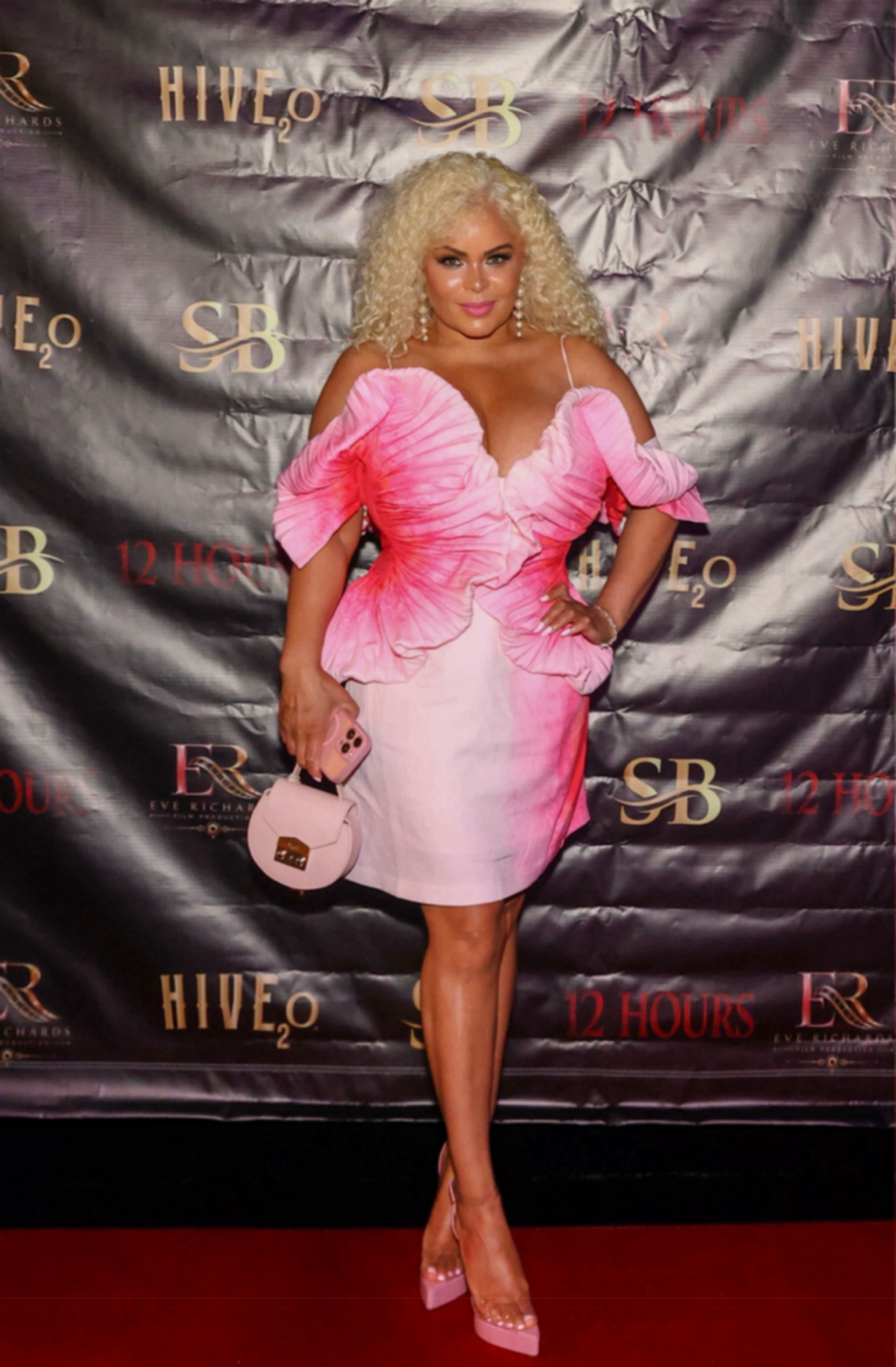
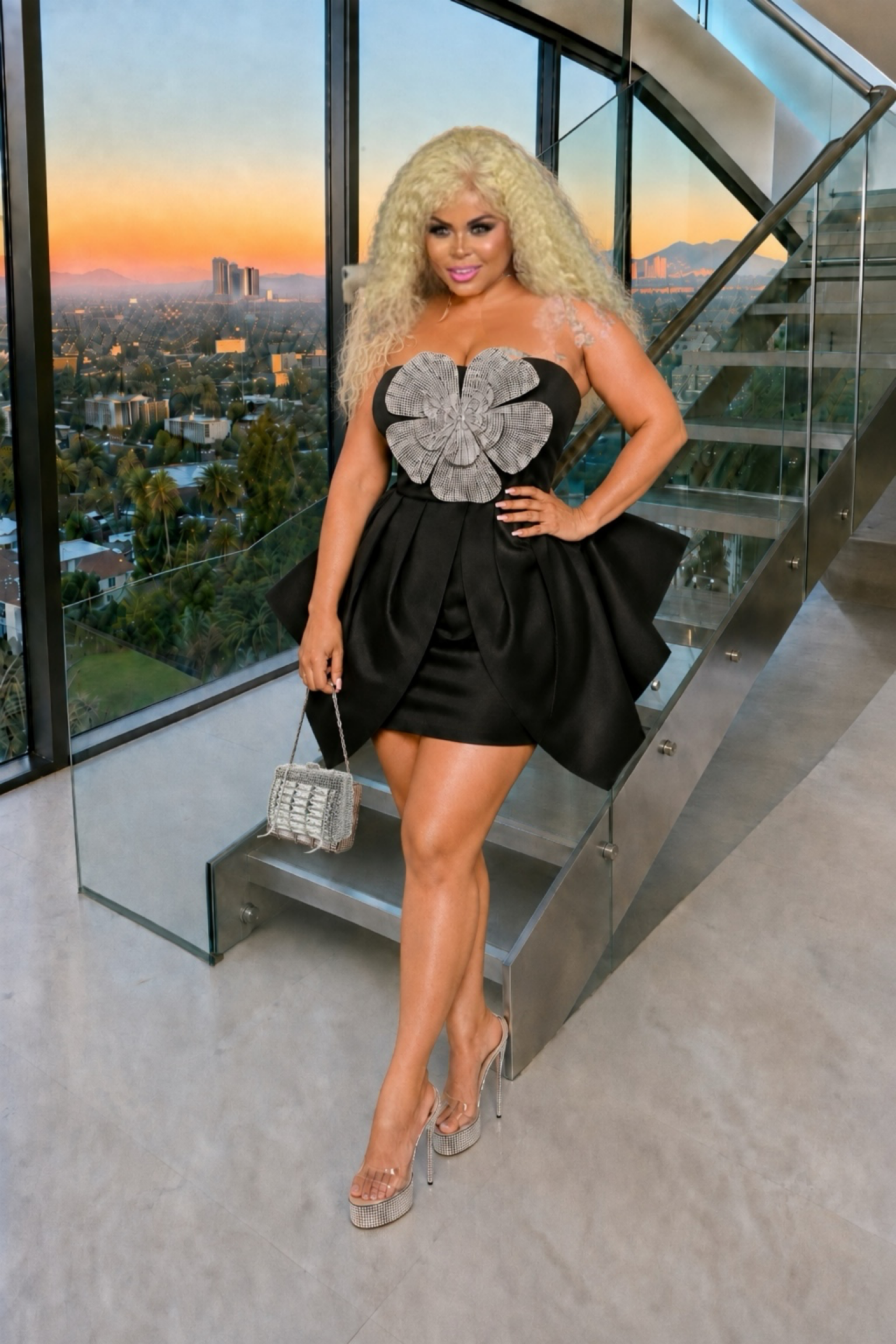
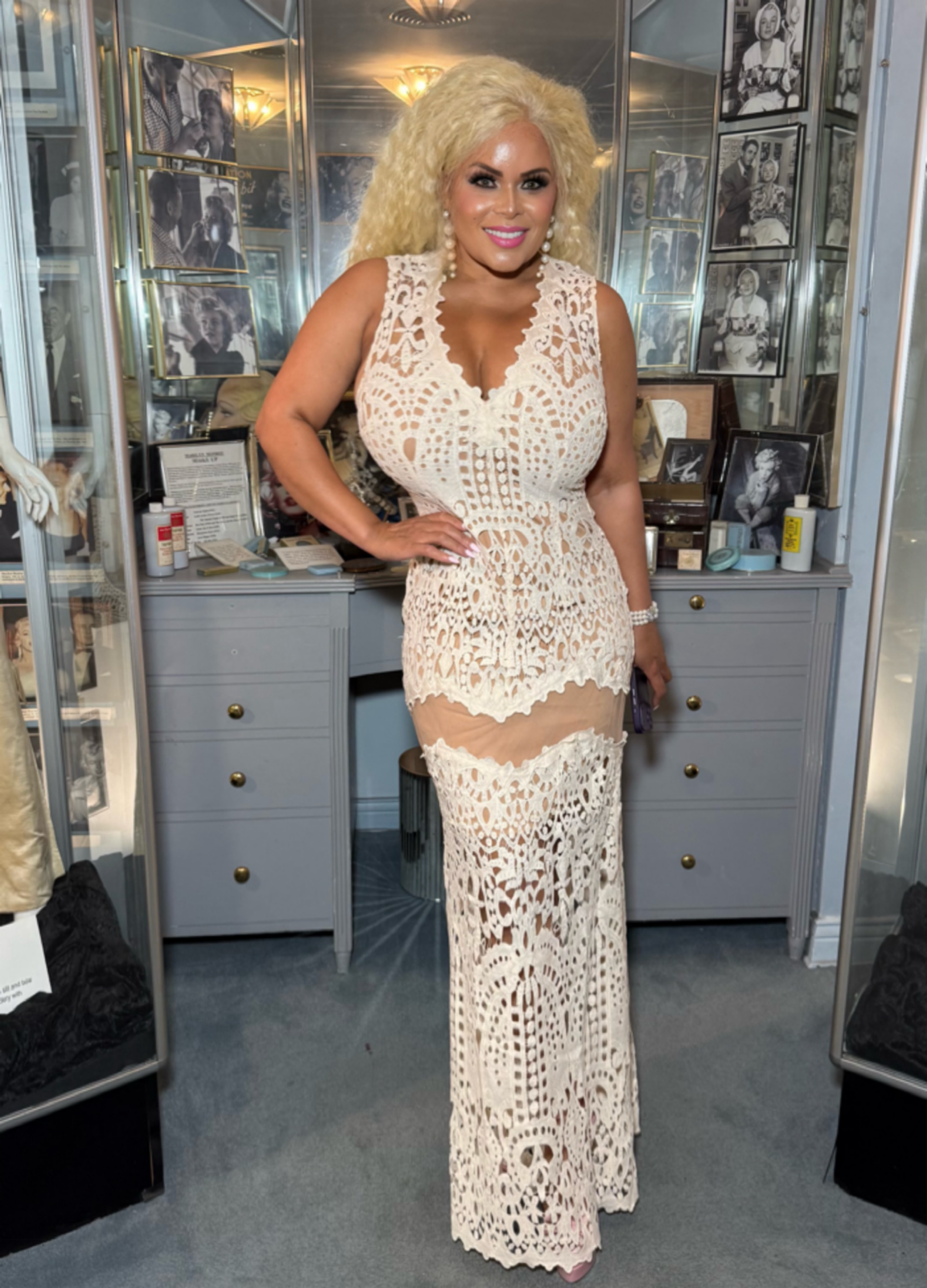
About Eve Richards
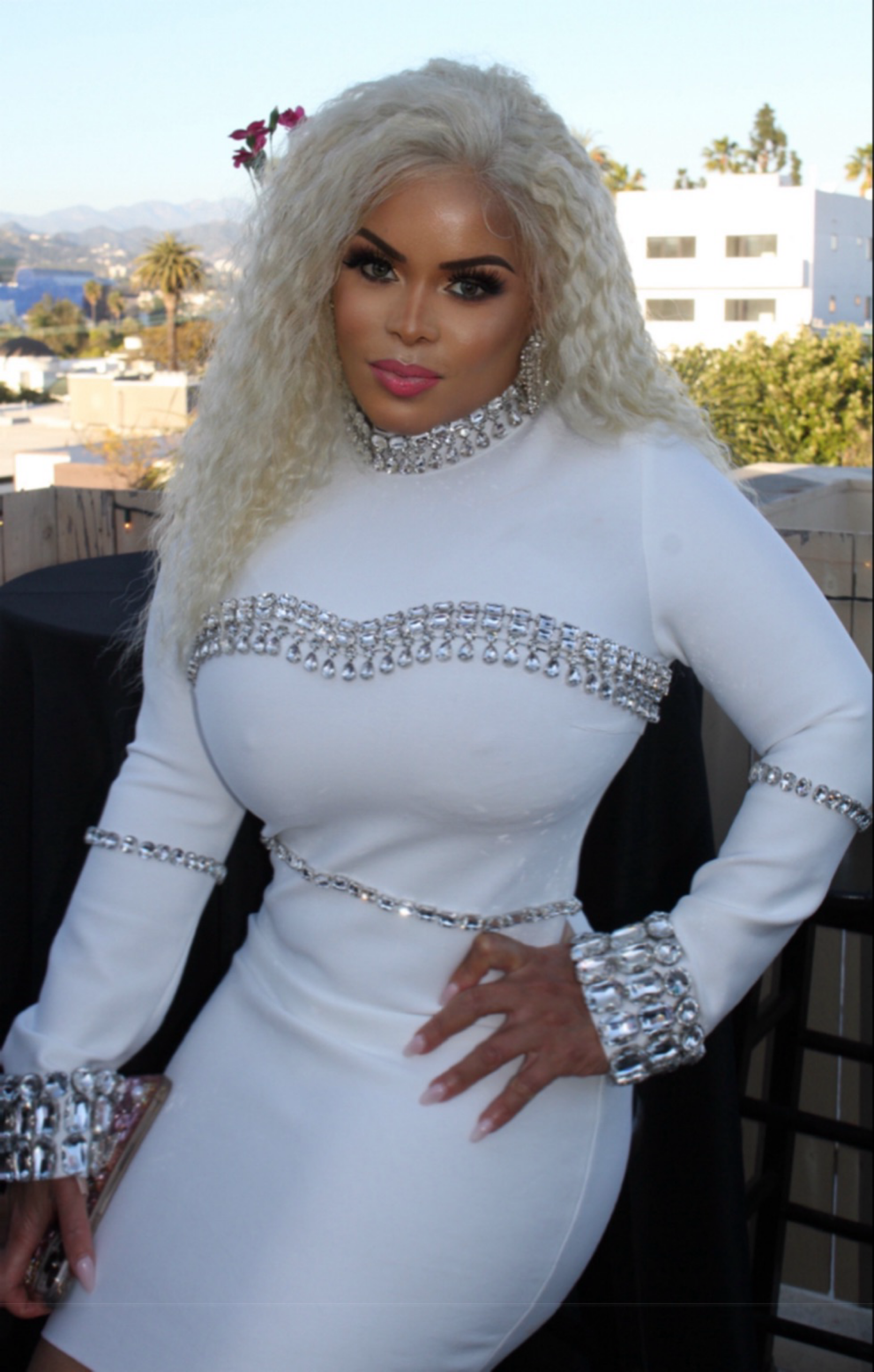
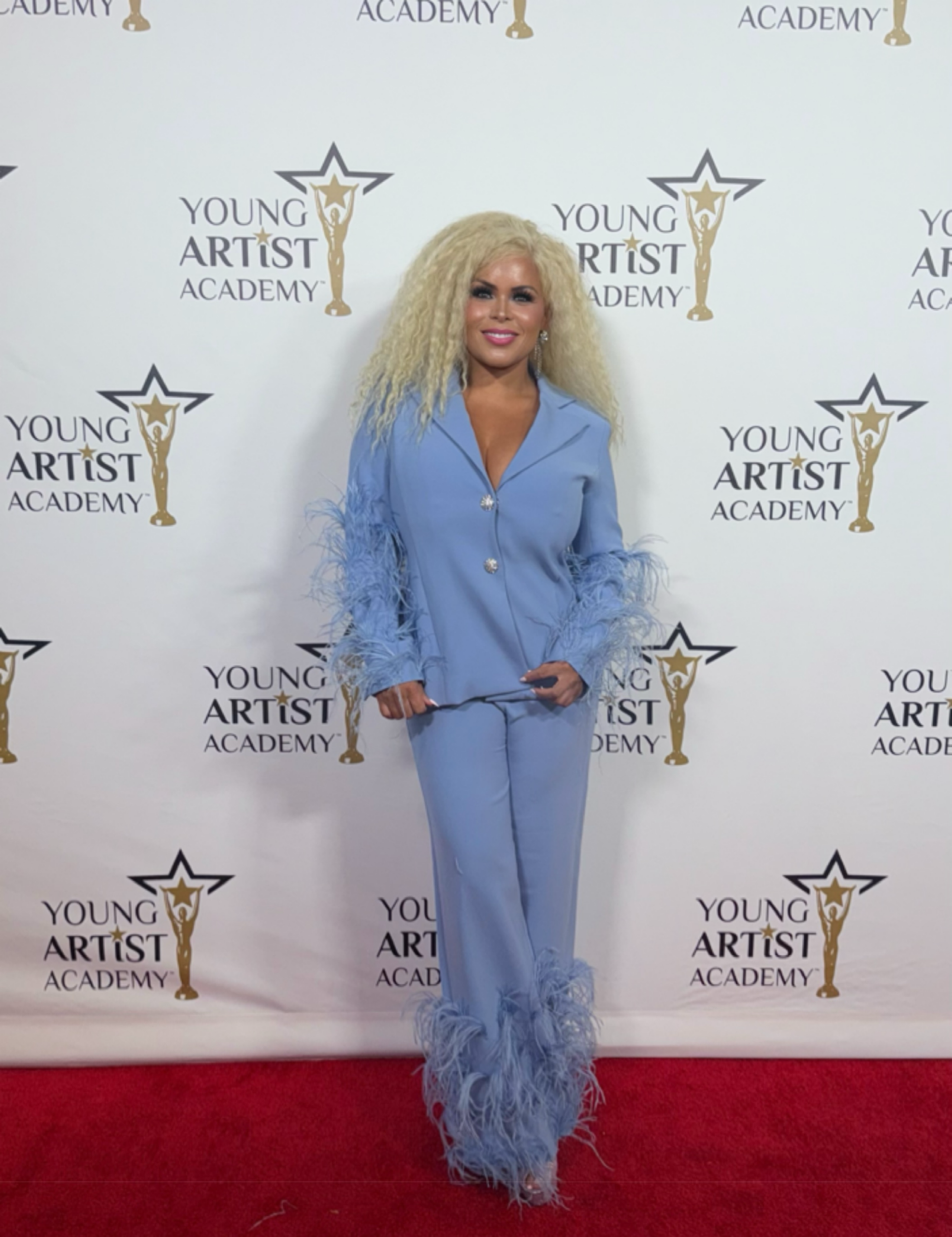
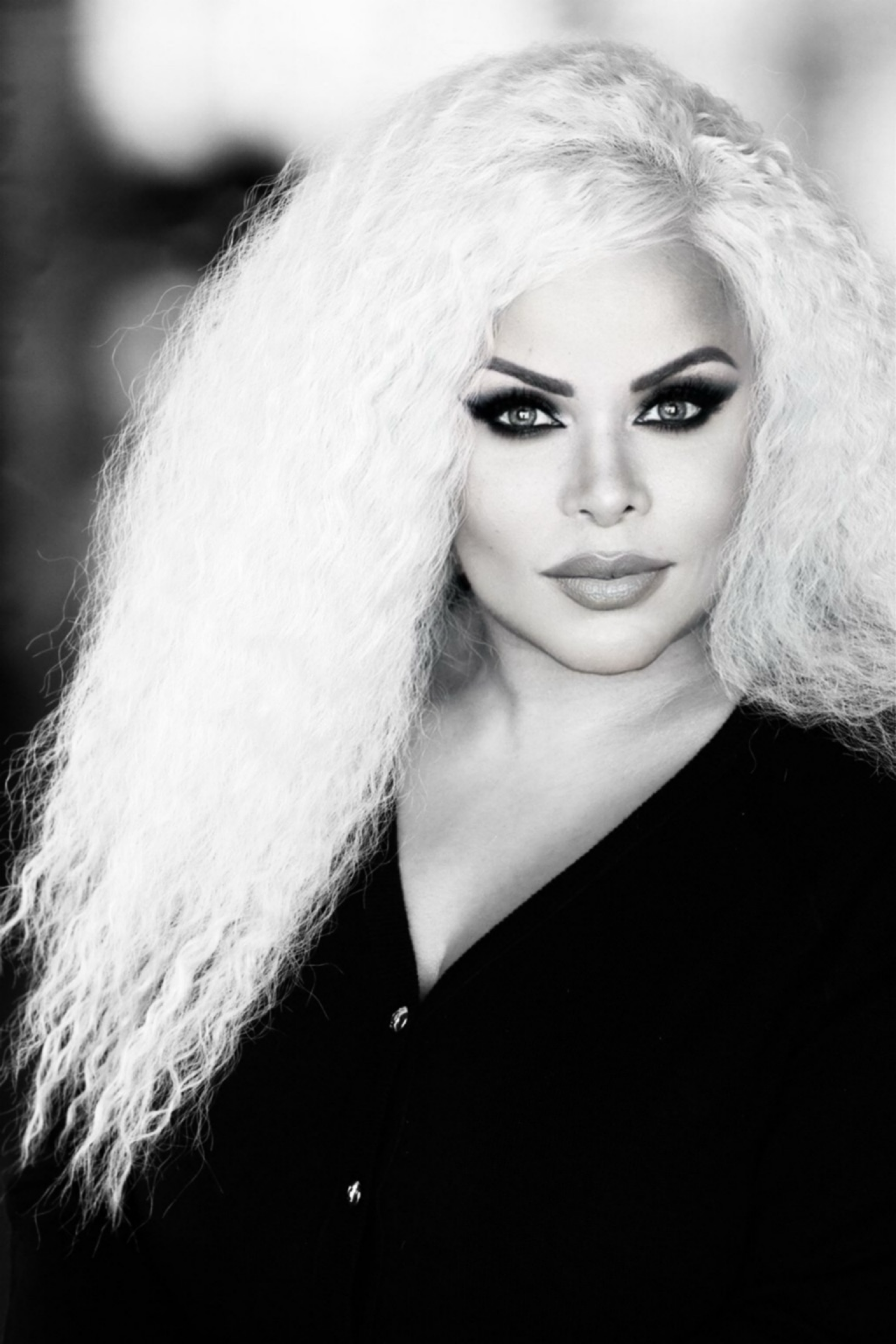
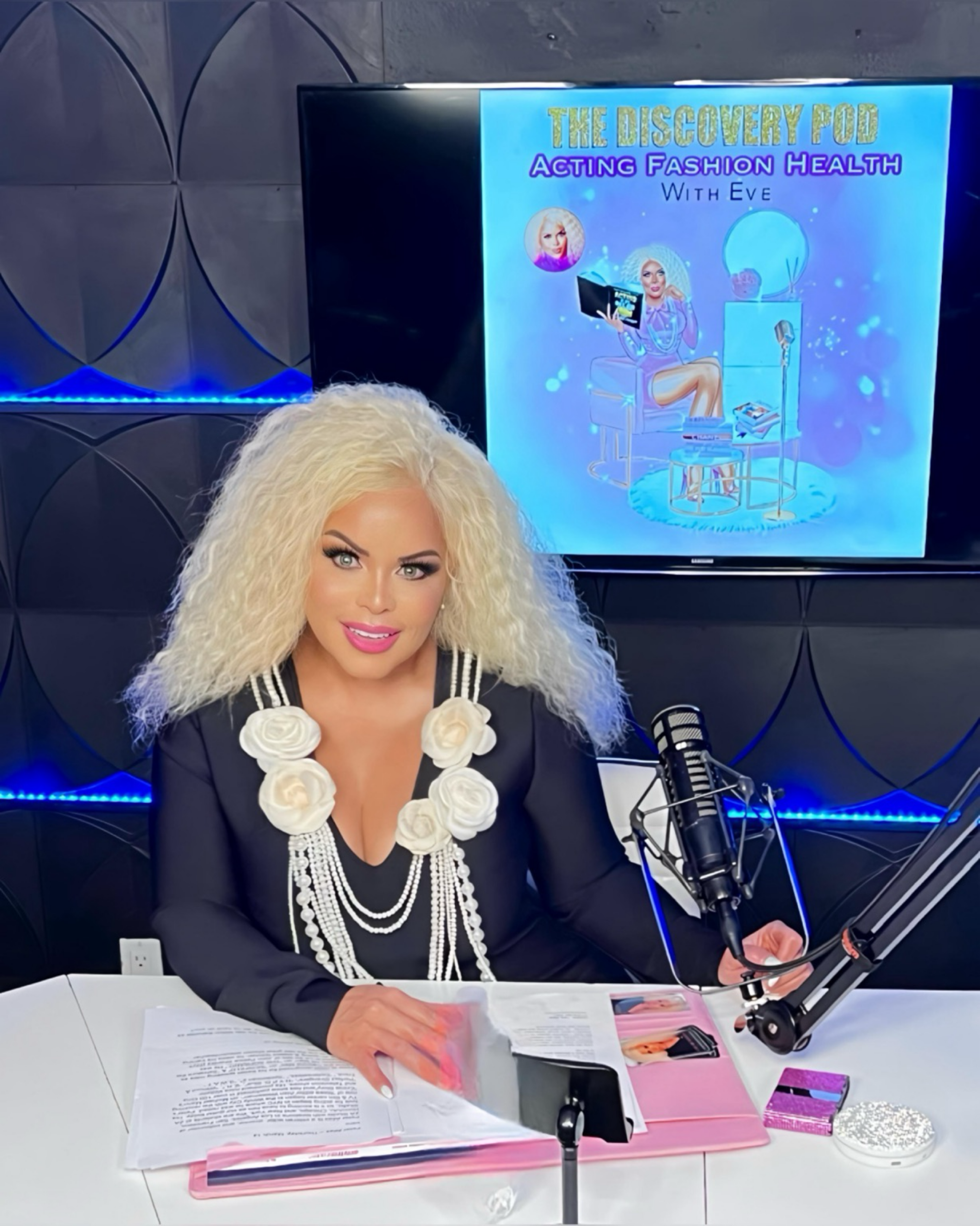
Eve Richards is an actress, producer, and media creator building a career at the intersection of film, storytelling, and meaningful conversation. Her work reflects an increasingly multidimensional creative path—from appearing in Sony Pictures’ A Line of Fire, which spent three consecutive weeks in Netflix’s U.S. Top 10, to her upcoming role as Misty in the Saban Films action thriller Straight Shot. Behind the camera, Eve continues expanding her work as a producer, including 12 Hours in partnership with SB Productions. She is also the creator and host of The Discovery Pod with Eve, which has completed three seasons and reached Apple Podcasts’ Top 25 in Society & Culture in the U.S. Across each platform, Eve is focused on creating work with substance, cinematic ambition, and lasting impact.
I. The Woman Before the Career
01. Your journey has taken you from London to different parts of the world and eventually to Los Angeles. How did growing up around different cultures shape the way you see people, stories, and the world?
Growing up around different cultures gave me a broader understanding of people very early in life. I was born in London, my family has roots in Cameroon, and my life has taken me through different countries, cultures and professional environments before eventually bringing me to Beverly Hills, California. Being exposed to different cultures taught me that our backgrounds and experiences may be very different, but so much of what connects us is universal. We all experience love, loss, ambition, disappointment, hope and the desire to find meaning in our lives. I think that perspective has influenced me tremendously as an actress and storyteller. I have always been curious about people and particularly interested in what lies beneath the surface-what has shaped someone into the person they are today.
02. You were raised in a family connected deeply to law, with your mother a judge and your father a lawyer. What values from your parents have stayed with you most strongly?
Education, discipline, integrity and perseverance were deeply important in my family. My mother was a Chief Justice in Cameroon, and my father was an international lawyer. They were both highly accomplished, but what stayed with me wasn’t simply what they achieved. It was the determination and discipline behind those achievements. My father received a scholarship to Harvard at just sixteen years old and later interned with Robert F. Kennedy. My mother built an extraordinary legal career at a time when there were far fewer women in positions of authority. Their lives taught me not to allow circumstances to define what is possible for me. They also taught me the importance of having a strong work ethic and creating a life with purpose.
03. Your love for storytelling began through theater. What was it about performing that first made you feel, “This is something I want to keep in your life”?
Theater introduced me to the extraordinary experience of stepping outside of myself and seeing the world through another person’s perspective. I loved the transformation that happens when you inhabit a character-the opportunity to understand how someone thinks, what motivates them and why they make the choices they make. There was also something incredibly powerful about connecting with an audience through a story. That fascination with characters, human behavior and storytelling never left me.
04. You spent time in corporate America before choosing entertainment. What did that chapter teach you that later became useful in your creative career?
My years in corporate America gave me skills that have become incredibly valuable in my creative career. I learned how to manage complex projects, work with different personalities, communicate with senior leadership, manage budgets and deadlines, and keep moving toward an objective when there are many competing priorities. Those skills became particularly valuable when I moved into producing and executive producing. Entertainment is creative, but it is also a business. Having that corporate background means I understand both sides. I can be the actress focused entirely on a character, but I can also step back and understand the strategy, logistics and business considerations required to bring a project to life.
05. Was there a particular moment when you knew you were ready to leave the safer path and seriously pursue acting in Los Angeles?
I don’t think there was one dramatic moment. It was more of a realization that I didn’t want to look back on my life and wonder what might have happened if I had given myself permission to seriously pursue something I loved. There is comfort in following a predictable path, particularly when you have already built a successful professional life. But I eventually realized that there can also be a cost to staying somewhere simply because it feels safe. I wanted to know what was possible. That desire became stronger than my fear of uncertainty.
II. Building a Life in Entertainment
06. Moving to Los Angeles and building a career from the ground up takes courage. What was the hardest part of that transition for you?
The uncertainty was probably the greatest adjustment. In the corporate world, there is generally a clearer relationship between the work you put in and the outcome. Entertainment doesn’t necessarily work that way. You can prepare extensively, give a wonderful audition and still not get the role because there are so many factors outside your control. I had to learn that rejection wasn’t necessarily a judgment of my ability or my value. Sometimes you simply aren’t the right person for a particular role. Learning to continue moving forward without allowing every outcome to define me became an important part of building a sustainable career.
07. You have played strong and complex women across your work. What kinds of characters naturally speak to you?
I’m drawn to women with layers. They don’t have to be perfect, and they don’t necessarily have to be likable. They have to be interesting. I particularly enjoy characters who contain contradictions-the woman the world sees may be very different from the person underneath. I like discovering why a character behaves the way she does and finding the humanity in her, even when some of her choices are difficult to understand. Those complexities give me something meaningful to explore as an actress.
08. After working on more than 30 independent films, what has the journey taught you about persistence that people rarely see from the outside?
People usually see the finished product. They see the photograph, the premiere, the film credit or the announcement. They don’t see the auditions that didn’t lead anywhere, the projects that disappeared, the waiting, the preparation or the years it can take for something meaningful to come together. Persistence in this industry isn’t particularly glamorous. Sometimes it simply means continuing when there is no immediate evidence that continuing will lead anywhere. I’ve learned that a career isn’t built from one breakthrough moment. It is built through many small decisions to keep going.
09. Is there a role or project that changed the way you understood yourself as an actress?
Every character has taught me something, but playing Misty in Straight Shot gave me an opportunity to explore a character who is very different from me. She is eccentric, highly intelligent, unpredictable and completely individual. I had tremendous freedom in creating her, from her physicality and mannerisms to the way she presents herself. The experience reminded me how much I enjoy disappearing into characters who allow me to make unexpected choices. Misty doesn’t enter a room quietly, and playing her encouraged me to trust some of my bolder instincts as a performer.
10. Your work now extends beyond acting into producing and executive producing. What made you want to have a stronger creative voice behind the camera?
I wanted greater ownership over the stories I was helping bring into the world. As an actress, you usually enter a project after many of the fundamental creative and business decisions have already been made. Producing allows me to participate much earlier and think about the entire story rather than only the character I am playing. It also gives me the ability to create opportunities rather than simply waiting for someone else to decide when I am allowed to work. I find that incredibly empowering.
III. From Actress to Producer
11. What does producing allow you to express that acting alone cannot?
Producing allows me to see the entire canvas. When I’m acting, my responsibility is to understand my character and serve the story truthfully through her. As a producer, I’m thinking about how all the elements-story, casting, director, cinematography, budget, schedule and ultimately the audience-come together. I enjoy the contrast because the two roles engage completely different parts of me. Acting is deeply instinctive and emotional. Producing requires me to combine creativity with strategy and decision-making.
12. Through Eve Richards Film Production and projects such as 12 Hours, what kinds of stories do you feel especially drawn to bring into the world?
I’m drawn to character-driven stories with emotional and psychological complexity. Genre itself is less important to me than having something meaningful underneath the surface. With 12 Hours, for example, I was particularly interested in the psychological dimension of the story. I enjoy projects that can entertain an audience while still leaving them with something to think about after the credits roll.
13. Working on a production changes when you are responsible not only for your own performance but also for the larger vision. What has that responsibility taught you?
It has taught me how interconnected every part of filmmaking really is. A decision that appears small can affect the budget, the schedule, a performance or ultimately what appears on screen. It has also deepened my appreciation for everyone involved in making a film. Filmmaking is enormously collaborative. There are so many people whose work audiences may never see or even know about, but every one of them contributes to what ultimately reaches the screen.
14. Straight Shot brings you into an action-driven world alongside an experienced cast. What did playing Misty teach you about yourself as a performer?
Misty taught me to trust my instincts. She is eccentric, intelligent and completely comfortable being herself. I made very deliberate choices about her personality, physicality and appearance, and I allowed myself to take risks with her. There is something liberating about playing a woman who isn’t trying to disappear into the background. Misty takes up her space. I loved that about her.
15. In A Line of Fire, you took on the unusual challenge of portraying Joan Rycker and Mr. X. What attracted you to that experience, and what did it demand from you creatively?
What attracted me was the opportunity to create two distinct presences within the same film. As an actress, that is an exciting challenge because each character has to exist independently and feel authentic. A Line of Fire later became meaningful to me in another way when it reached the U.S. Netflix Top 10 for three consecutive weeks. As an actor, you do the work long before you know how or where a film will ultimately connect with audiences, so seeing the film reach that kind of audience was incredibly rewarding.
IV. The Discovery Pod with Eve
16. After the loss of your father, you launched The Discovery Pod with Eve. What did you hope to create when you first began the podcast?
Loss changes the questions you ask about life. After losing my father, I found myself thinking more deeply about people’s journeys-what shapes us, what we survive, what we learn and what we discover about ourselves along the way. I wanted to create conversations that went beyond accomplishments and titles. The Discovery Pod with Eve became a place where I could sit with people from very different walks of life and explore the experiences behind who they had become.
17. Over time, the podcast has grown into conversations with people from entertainment, business, technology, philanthropy, and other fields. When you invite someone onto the show, what are you most curious to discover about them?
I’m interested in the person behind the résumé. Success is visible; the journey behind it usually isn’t. I want to understand the decisions, failures, unexpected turns, sacrifices and moments of courage that shaped someone. Those are often the parts of a person’s story that audiences connect with most deeply because they remind us that no one’s journey is as straightforward as it may appear from the outside.
18. As a host, how do you create an atmosphere where a guest feels comfortable moving beyond the public version of their story?
I listen. Truly listening is very different from simply waiting for your opportunity to ask the next question. I research my guests carefully because I want them to know that I respect their story and their time. But once the conversation begins, I allow it to breathe. Sometimes the most revealing moment comes from something a guest says that wasn’t anticipated at all. When people realize you are genuinely interested in what they are saying, rather than simply working through a list of questions, the conversation changes.
19. The podcast recently reached #25 on Apple Podcasts in the U.S. Society & Culture / Personal Journals category. What did that milestone mean to you personally?
It was incredibly gratifying because The Discovery Pod with Eve began as something deeply personal and grew organically. Reaching #25 on Apple Podcasts in the United States was a wonderful indication that these conversations were connecting with people beyond my immediate world. We have now completed 70 episodes across three seasons, and the show has reached audiences in 43 countries. When I think back to why I started it, seeing how far it has traveled is particularly meaningful.
20. Looking back across the conversations you have hosted, is there a lesson from a guest that has stayed with you long after the microphone was turned off?
There hasn’t been only one. After 70 conversations, what stays with me most is how rarely anyone’s life unfolds exactly according to plan. I’ve spoken with people from entertainment, business, technology, philanthropy and many other fields, and they have arrived where they are through very different routes. Again and again, those conversations have reminded me that reinvention is possible and that an unexpected chapter can sometimes become one of the most important chapters of your life.
V. Resilience, Loss & Personal Growth
21. Resilience is a recurring idea in your work. What does resilience mean to you today?
Resilience, to me, is not about pretending that something doesn’t hurt or convincing yourself that you are unaffected by disappointment. It is the ability to experience loss, uncertainty or failure without allowing that moment to become the final definition of your life. I have learned that resilience is often quiet. It may simply mean getting up the next morning and continuing when no one is watching. It is allowing yourself to evolve rather than becoming imprisoned by what happened to you. There will always be circumstances we cannot control. What we can control is what we choose to build from them.
22. Public success often hides the difficult seasons that came before it. What is one challenge that changed you in a lasting way?
Loss has changed me more profoundly than any professional disappointment ever could. Losing people you love forces you to confront the reality that time is finite and that many of the things we worry about are ultimately temporary. It changed the way I measure success. Achievement still matters to me-l am ambitious and I believe in pursuing excellence-but ambition without meaning feels incomplete. The difficult seasons of my life have taught me to ask a different question. Not simply, “What can I accomplish?” but, “What kind of life am I creating while I accomplish it?”
23. How do you protect your sense of self when your professional life requires you to step into different characters and public roles?
By remembering that my work is something I do; it is not the entirety of who I am. Acting requires vulnerability because you temporarily give yourself over to another person’s emotional world. Public life can create a different kind of pressure because people often know a version of you through photographs, films, interviews or social media. I think it is important to maintain a private interior life that does not belong to an audience. There are relationships, memories, beliefs and parts of myself that I don’t feel compelled to make public. The ability to remain connected to that private self gives me the freedom to be very visible without feeling that everything about me is available for consumption.
24. How has personal loss changed the way you think about ambition, relationships, time, and what truly matters?
Loss has made time feel much more precious. When we are young, we often behave as though there will always be another year, another conversation, another opportunity to say what we meant to say. Eventually, life teaches you otherwise. It has made me more intentional about the people I love and about the work I choose to pursue. I still have dreams and ambitions, but I don’t want to postpone living until some future achievement arrives. At the end of our lives, I don’t think we will measure our existence only by what we accumulated or how many titles followed our names. We will remember whom we loved, what we created, whom we helped, the experiences we shared and the lives we touched.
25. When life becomes uncertain, what helps you return to a sense of balance?
Perspective. I try to remember that a difficult day is not necessarily a difficult life and that circumstances can change very quickly in either direction. I have lived long enough to see chapters end that I once thought would last forever and new chapters begin that I could never have predicted. I also value moments of quiet. The world constantly encourages us to react, perform and produce. Sometimes clarity comes from doing the opposite-from becoming still enough to hear your own thoughts again.
VI. Empowerment, Service & Philanthropy
26. Your work with women-focused organizations reflects a belief in empowerment through action. What does meaningful empowerment look like to you?
Meaningful empowerment is not simply telling a woman that she is powerful. It is helping create the circumstances in which she can exercise that power. That can mean education, financial independence, access, mentorship, representation, safety, opportunity or simply having someone believe in her abilities before she fully believes in them herself. I am especially interested in empowerment that produces tangible change. Encouragement matters, but opportunity can change the trajectory of a person’s life. And I believe empowered women have a responsibility to create space for other women. Advancement means more when the door remains open behind you.
27. Through philanthropy and volunteering, you have used your visibility to support others. Why is service such an important part of your life?
Because a life centered entirely on oneself eventually becomes very small. Visibility can open doors, attract attention and create opportunity, but I think it can also be used to direct attention toward people and causes that deserve it. Service reminds me that success carries responsibility. We don’t all have the same resources or influence, but everyone has something they can give-time, knowledge, encouragement, access, money, compassion. I don’t believe you have to change the entire world to make a difference. Sometimes changing one person’s experience of the world is enough to begin.
28. Do you see your work in film, fashion, media, and philanthropy as separate paths, or as different expressions of one larger purpose?
I see them increasingly as different expressions of the same life. For a long time, we were encouraged to define ourselves by one title. Actress. Producer. Executive. Host. Philanthropist. But human beings are rarely that simple. Film allows me to explore humanity through characters. Hosting allows me to explore it through conversation. Producing allows me to help shape stories from their inception. Fashion gives me another language for self-expression. Service reminds me that none of those things exists solely for my own benefit. The common thread is connection-using whatever platform I have to tell stories, create opportunities, encourage curiosity and leave something meaningful behind.
29. What do you believe women in entertainment need more of today-from the industry, from leadership, and from one another?
More room to be complicated. Women should not have to fit into one acceptable version of femininity, leadership, ambition, beauty or age in order to remain relevant. We need an industry that continues expanding the range of stories women are permitted to inhabit-not only as ingénues, mothers, wives or supporting characters, but as fully realized human beings with ambition, flaws, authority, sexuality, intellect, humor and contradiction. From leadership, we need opportunity that extends beyond symbolic representation into genuine decision-making power. And from one another, I think we need generosity. There is enough room for more than one woman to succeed. Another woman’s success does not diminish my own.
VII. Identity, Fashion & Public Life
30. Fashion has become an important part of your public expression. What does personal style allow you to communicate that words sometimes cannot?
Fashion is another form of storytelling. Before you say a word, you have already communicated something through the way you present yourself. For me, style can express elegance, confidence, femininity, strength, playfulness or transformation depending on the moment. I have never believed that intelligence and an appreciation for beauty are incompatible. A woman can care deeply about ideas and still enjoy a beautiful dress, extraordinary craftsmanship or the ritual of getting ready for an occasion. My style is part of my creative expression. It is not about becoming someone else. It is about visually expressing different dimensions of who I already am.
31. How do you balance the polished world of entertainment with the private, more vulnerable person behind the public image?
By understanding that both are real. The polished woman arriving at an event is genuinely me. The woman sitting at home questioning a decision, grieving someone she loves, worrying about the future or simply wanting a quiet evening is also me. We sometimes talk about public image as though anything polished must therefore be artificial. I don’t see it that way. Human beings contain many versions of themselves. The important thing is not confusing presentation with identity. I enjoy glamour, fashion and the ceremonial aspects of entertainment, but they don’t determine my worth. When the makeup comes off and the room becomes quiet, I still have to know who I am.
32. Social media gives public figures a powerful platform, but it can also create pressure. How do you decide what to share and what to keep for yourself?
I don’t believe access to someone’s work automatically creates a right to access every part of that person’s life. Social media can be wonderful because it allows us to communicate directly with people around the world without always relying on traditional gatekeepers. But visibility without boundaries can become its own form of captivity. I share what feels authentic and appropriate, but I don’t feel obligated to document every experience while I am living it. Some memories deserve to exist without an audience. Privacy, particularly in an age of constant exposure, has become something I value more rather than less.
VIII. Leadership & The Next Chapter
33. Your career is increasingly moving into leadership and advisory spaces alongside entertainment. How has your understanding of leadership evolved?
Earlier in life, I probably associated leadership primarily with authority-the person with the title, the office or the final decision. Today, I see leadership very differently. Leadership is influence combined with responsibility. It is how you behave when you have the ability to affect someone else’s experience. It is listening before deciding, asking difficult questions, surrounding yourself with people who know things you don’t, and being willing to take responsibility when something goes wrong. Titles may give someone authority. They do not automatically make that person a leader.
34. What does leadership mean to you when you are not on a set or behind a microphone?
Leadership is often most revealing when there is no audience. It is how you treat someone who cannot advance your career. It is keeping your word. It is being willing to speak when remaining silent would be easier. It is knowing when to lead from the front and when to create space for someone else. I also think leadership begins with self-leadership. Before we can responsibly influence other people, we have to develop the discipline to examine our own choices, motives and behavior.
35. You have built platforms of your own rather than simply participating in other people’s platforms. Do you think of yourself primarily as a storyteller, creator, entrepreneur, leader-or a combination of these?
A combination, because I don’t experience those parts of myself as separate. At the center of everything, though, I probably am a storyteller. Sometimes I tell stories by becoming another woman on screen. Sometimes I tell them by sitting across from someone and asking questions. Sometimes I help build the structure that allows someone else’s story to exist. The entrepreneurial and leadership aspects developed because I didn’t want to spend my entire creative life waiting for permission. At some point, I realized I could build some of the tables I was hoping to be invited to sit at. That realization changed the trajectory of my life.
36. If you could sit beside the younger Eve just before she moved to Los Angeles, what would you tell her?
I would tell her that the life ahead of her will not unfold in the order she imagines, and that this will eventually become one of its greatest gifts. I would tell her not to confuse delay with defeat. Some things will take much longer than she expects. Other things she never imagined will find her. I would tell her to trust her instincts sooner, worry less about fitting into other people’s definitions of what her life should look like, and understand that reinvention is not evidence that the first chapter failed. Most importantly, I would tell her to pay attention while she is pursuing the destination. One day she will understand that the journey she was so impatient to get through was actually her life.
IX. Legacy
37. After everything you have experienced so far, what do you hope people understand about the woman behind the public career of Eve Richards?
I hope they understand that behind every photograph, credit, title and public moment is a woman who has had to begin again more than once. My life has not been a straight line, and I no longer believe that a meaningful life needs to be. I have known ambition and uncertainty, joy and grief, reinvention and disappointment. I have made choices that frightened me and pursued things without knowing where they would lead. Perhaps what I would most want people to understand is that I kept becoming. We often speak about identity as though eventually we arrive at a finished version of ourselves. I don’t believe that anymore. I hope I remain curious enough to continue evolving for as long as I am here.
38. What kinds of stories do you still feel you have not told yet?
Many. The longer I live, the more interested I become in stories about identity, belonging, reinvention, family, ambition, loss and the choices that quietly alter the direction of a life. I am particularly interested in women whose stories cannot be reduced to a single label. Women who have lived across cultures, crossed boundaries, reinvented themselves later in life, held contradictions and refused to disappear simply because society decided their most interesting years should be behind them. I also want to tell stories that travel. The details of our lives may be culturally specific, but the deepest emotions are universal. A truly powerful story can begin in one corner of the world and make someone thousands of miles away recognize something of themselves. Those are the stories I still want to tell.
39. Twenty years from now, when people look back at your body of work, what do you hope they will say Eve Richards stood for?
I hope they say I stood for possibility. Possibility after disappointment. Possibility after loss. Possibility when the conventional timeline says you are too late. Possibility for women who have been told that they are too much of one thing and not enough of another. I hope they see a woman who refused to be confined to one identity-who could be an actress and a producer, creative and strategic, feminine and formidable, ambitious and compassionate. But more than any professional description, I hope they say that I used what I had well. That I created meaningful work, opened doors where I could, treated people with dignity and remained curious about the world. Awards eventually gather dust. Headlines disappear. What lasts is the effect we have on other human beings. If some part of my work makes another person believe that their next chapter is still possible, I would consider that a meaningful legacy.
40. Finally, if someone discovers your work for the first time many years from now, what is the one message or feeling you hope they carry away from your story?
That you are never limited to one chapter of your life. You can honor where you came from without being imprisoned by it. You can grieve what you lost and still remain open to what is coming. You can change direction. You can begin again. You can become something you could not yet imagine when the story started. Our lives rarely unfold exactly as we planned, but that does not make them lesser lives. Sometimes the detour becomes the story. If someone encounters my work many years from now, I hope they leave with a sense of possibility-not because my journey was perfect, but because it wasn’t. I kept going. I kept creating. I kept evolving. And I hope that reminds someone, somewhere in the world, that they can too.